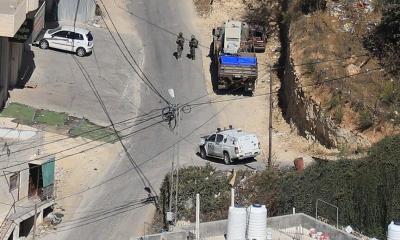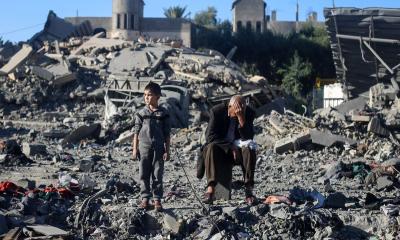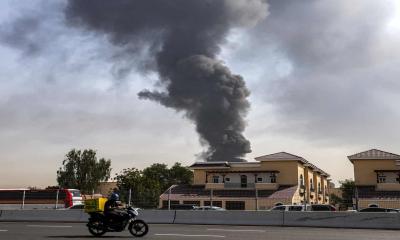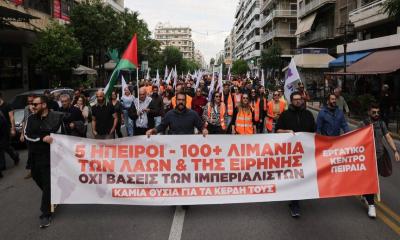
Gulf nations need to reconfigure their trillion-dollar defences following the severe damage inflicted on their economies during the recent conflict between the United States and Iran. The International Institute for Strategic Studies published these findings in a new study.
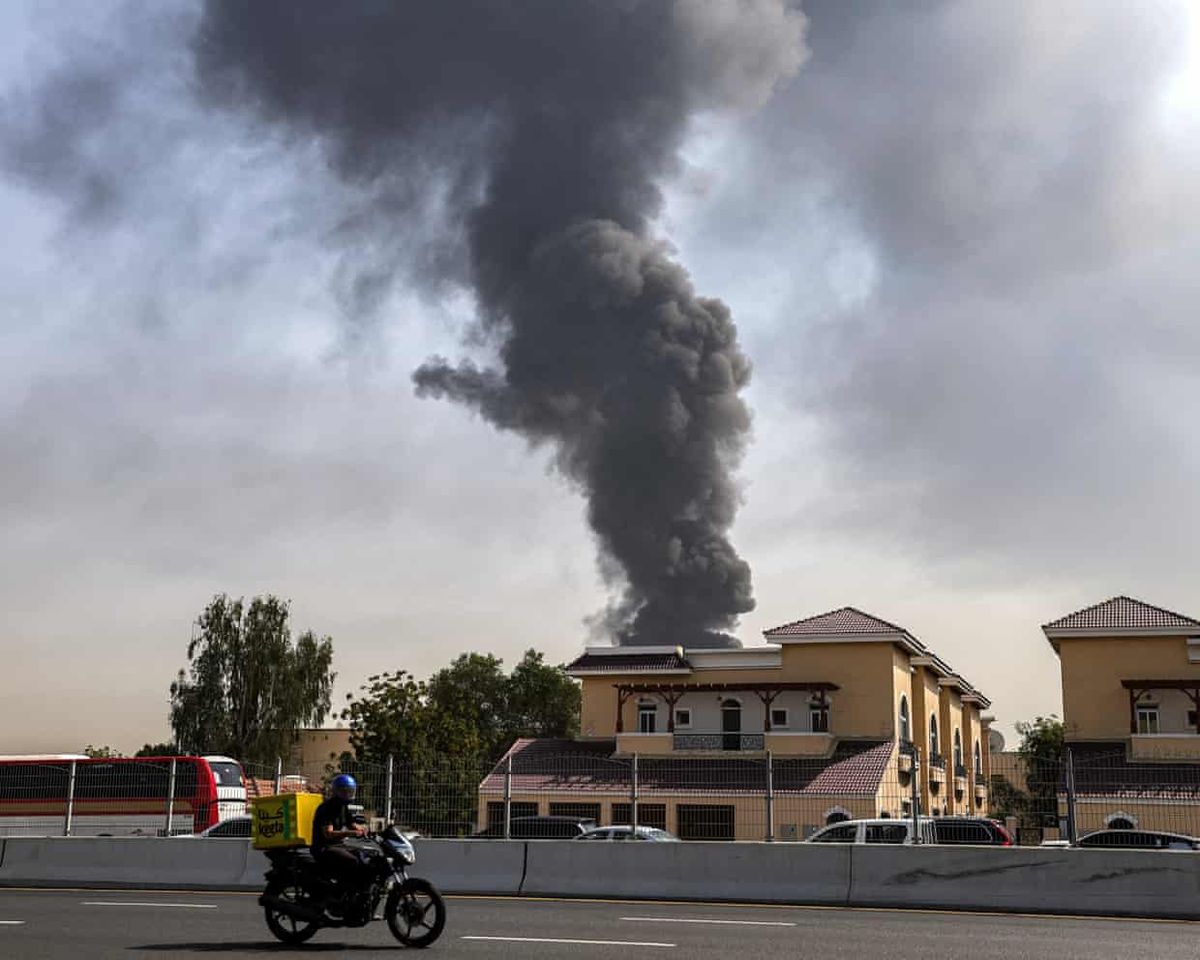
In the weeks leading up to the 8 April ceasefire, 12 regional states, predominantly in the Gulf, faced 4,670 Iranian one-way attack drones and more than 1,400 ballistic missiles. Nearly half of these projectiles targeted the United Arab Emirates.
The vast majority of the incoming drones and missiles were successfully intercepted. Even so, one estimate cited in the report puts the resulting damage to energy infrastructure as high as 58 billion dollars.
Despite massive financial investments in primarily US-supplied armaments, the study identified significant vulnerabilities across the region. These shortcomings include an overwhelming reliance on American air and missile defence systems, a failure to achieve regional defence integration, a shortage of minesweeping capability, and limited retaliatory options.
The analysis also points to prohibitive costs stemming from an overdependence on expensive, high-end military systems to shoot down relatively inexpensive drones and missiles.
The report takes a neutral stance on whether divided Gulf states should pursue a new non-aggression pact with Iran. However, the recent conflict shows how longstanding security partnerships with Washington failed to ensure adequate protection against Iranian aggression.
American military bases and defence partnerships have actually provided Iran with another pretext for launching attacks against Gulf nations. Public opinion regarding the US across the Gulf has begun shifting from viewing Washington as a security provider to seeing it as a strategic liability.
Iran would likely portray any reduction or complete withdrawal of US forces from the region as a strategic success and a vindication of its steadfastness. Tehran would also use the withdrawal to embarrass the Gulf states over their decades-long courtship of American protection.
Discussing the future of American military infrastructure, Murphy stated that Gulf leadership wants the US to rebuild and keep a presence in the region. However, Murphy questioned the utility of maintaining vulnerable facilities, asking what good it is to have a base that can be wiped off the map within 24 hours of a hot war starting.
Officials would be criminally incompetent as stewards of taxpayer dollars if they rebuilt bases that are blown up within hours of the next war. The US footprint in the region will need to be smaller, guided by what can actually be protected.
At the very least, the US may need to relocate its bases in the eastern Mediterranean further away from the reach of Iranian missiles.