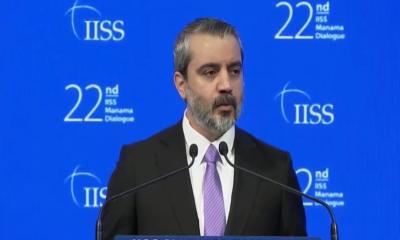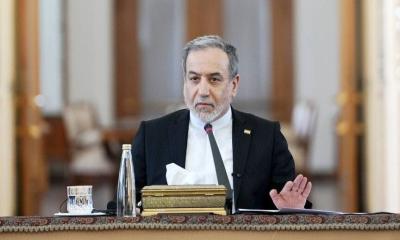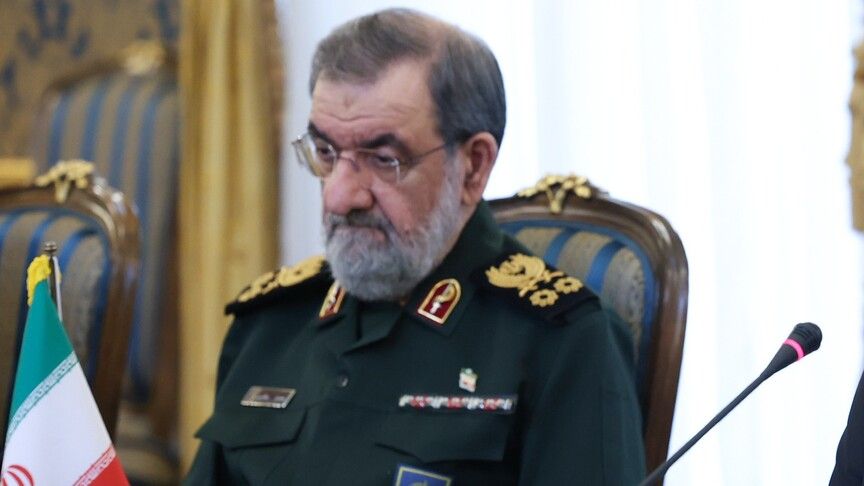
Iran has not adopted any official decision to alter its nuclear doctrine, according to Mohsen Rezaei. He spoke to the semi-official Tasnim News Agency.
Rezaei stated that the government and the Supreme National Security Council had not approved any policy change. Discussions regarding the doctrine emerged following attacks on Iranian facilities. These strikes occurred despite extensive inspections and online monitoring cameras installed by the International Atomic Energy Agency.
The official maintained that inspections spanning more than two decades, along with multiple reports and documents, proved the peaceful nature of the country’s nuclear activities. He also mentioned a new letter delivered to the Foreign Ministry through American intermediaries.
Tehran received the message and completed an initial review, but has not yet issued a response. Rezaei said the communication showed a shift in tone compared to previous correspondence.
He argued that this change demonstrated the consolidation of the Iranian nation’s power and victory. According to Rezaei, Tehran maintains a rigid stance of seven primary conditions, with additional demands raising the total count.
Full implementation of these conditions must occur first. Other topics, such as nuclear commitments and continued membership in the Nuclear Non-Proliferation Treaty, could follow in a second stage. This progress depends on the full recognition of Iran’s nuclear rights.
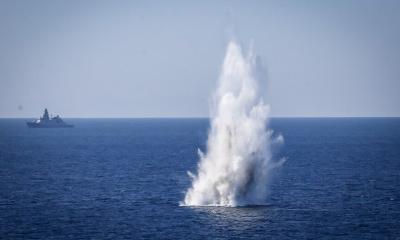
Turning to the Strait of Hormuz, Rezaei said Iran’s conditions established its management of a shared corridor through the waterway. Under this framework, all traffic would pass under Iranian supervision.
The remarks follow a previous report by The Wall Street Journal citing US officials. That report claimed US Vice President JD Vance sent a message to Rezaei at President Donald Trump’s direction to revive peace talks.
Trump denied that claim, stating Vance’s role was limited to helping provide medical supplies needed by Iran. Mediation efforts led by Qatar and Pakistan are underway to revive negotiations between Washington and Tehran, with reports of progress in indirect talks in Doha.
These diplomatic efforts seek understandings regarding the nuclear program, sanctions, and navigation security in the strait. The United States and Israel launched attacks against Iran on February 28. Tehran retaliated by targeting Israel and US assets in the region prior to an April ceasefire.
Washington and Tehran signed a memorandum of understanding on freedom of navigation in the Strait of Hormuz on June 18. Implementation of that agreement stalled due to disagreements concerning security in the waterway.