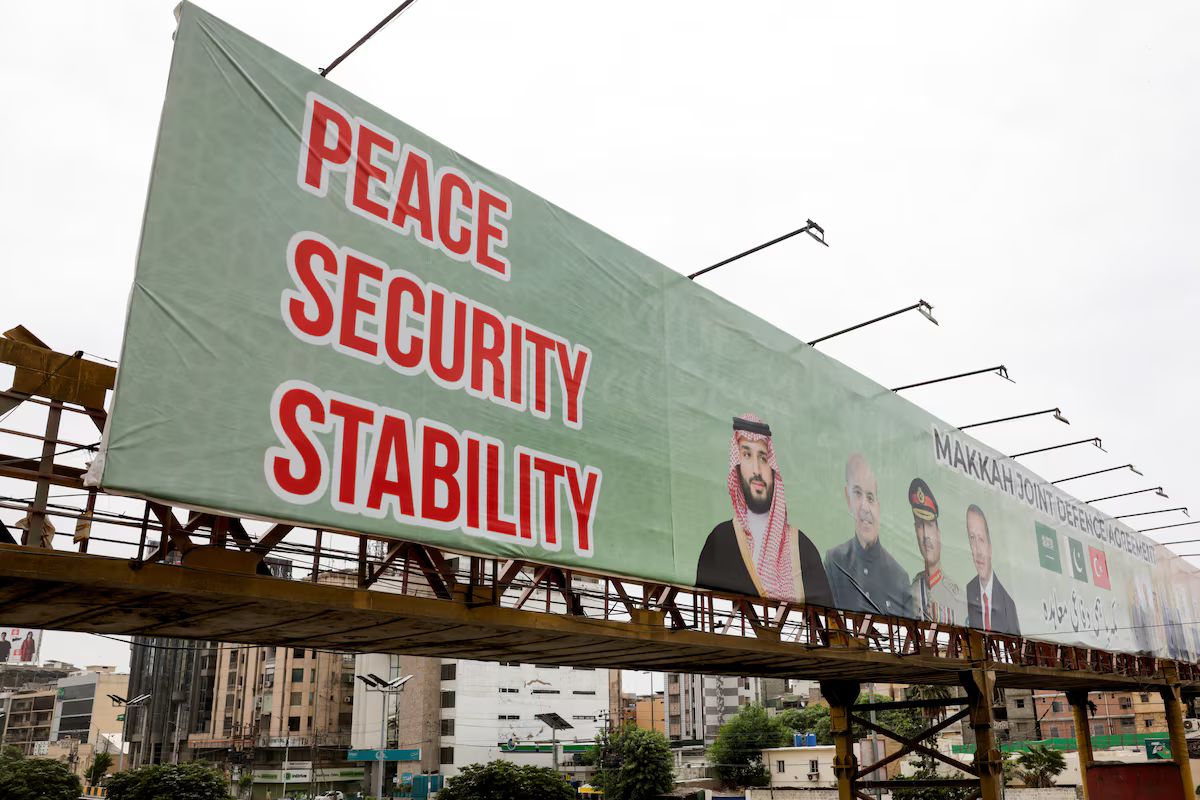
Turkiye’s parliament is set on Wednesday to ratify a defense pact with Saudi Arabia and Pakistan. The agreement includes a collective defense clause, committing NATO’s second-largest army to the defense of Riyadh as it faces attacks by Yemen’s Iran-backed Houthis.
Ratification grants Ankara a formal mutual defense obligation toward Saudi Arabia. It does not automatically dispatch Turkish forces to the kingdom, though. Deploying military personnel requires a separate mandate from parliament.
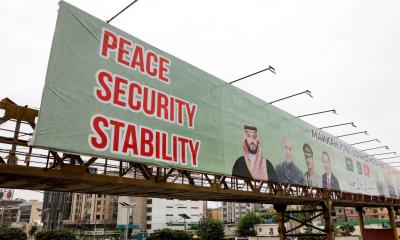
Turkiye submitted the Makkah Joint Defense Agreement to parliament for ratification last month. The three nations signed the accord in August.
The main clause of the pact mirrors NATO’s Article 5. Under this provision, an attack on one member is treated as an attack on all.
The parties plan to boost defense industry cooperation and military coordination under the agreement. They also aim to create deterrence against threats.
The pact was signed before the Houthis launched attacks against Saudi Arabia. Wednesday’s vote follows a statement from a senior Iranian official to Reuters indicating that Tehran and Washington remain far from a deal to end their war, with Houthis stepping up attacks on Riyadh.
Officials stated last month that Turkiye’s contribution to Saudi Arabia was expected to be limited to military equipment, intelligence sharing, and weapons systems. A lawmaker from Turkiye’s ruling party stated earlier that Turkiye would also submit to parliament a mandate allowing for military personnel to be deployed to Saudi Arabia under the pact. Officials stated the scope of support for the kingdom would be determined through collective consultations and in line with requests from Riyadh.
Analysts state that Turkiye, which maintains a robust defense industry, can assist Saudi Arabia with technical support and combat expertise. This assistance also covers air defenses and electronic warfare technologies.
Turkish troops, advisers, and military personnel are expected to be deployed to help install and operate systems sent by Ankara. This deployment depends on the planned mandate passing through parliament.
Defense analyst Arda Mevlutoglu stated to Reuters that the Makkah alliance can serve as an early case study for defense as a service. In this model, the supplier country provides equipment, platforms, concepts, service, training, and logistics packaged together with political support. Defense Minister Yasar Guler stated that Turkiye did not envision its troops engaging in combat or offensive operations against the Houthis.
Barin Kayaoglu, a professor of international relations at Ankara Social Sciences University and defense analyst, stated to Reuters that the pact would establish a certain level of interoperability between the allies as they operate similar systems and share expertise and technology.