Israel has intensified its military operations in the Gaza Strip, significantly increasing the frequency of its strikes since the cessation of its brief direct conflict with Iran. According to a new report by conflict monitor ACLED (Armed Conflict Location & Event Data Project), Israeli military actions in the besieged enclave rose by 35 percent in April compared to the previous month. This surge follows the April 8, 2026, pause in the joint U.S.-Israel military confrontation with Iran, leading analysts to conclude that Israel has redirected its full tactical firepower toward the Palestinian population.
The humanitarian cost of this redirected aggression has been devastating. Data provided by the Gaza Ministry of Health indicates that at least 120 Palestinians have been killed in the five weeks following the Iran ceasefire. Among the deceased are eight women and 13 children. This represents a 20 percent increase in the daily fatality rate compared to the period when Israeli resources were divided between Gaza and the Iranian front. Despite the mounting evidence of increased violence, the Israeli military has offered no specific strategic justification for the intensified bombardment.
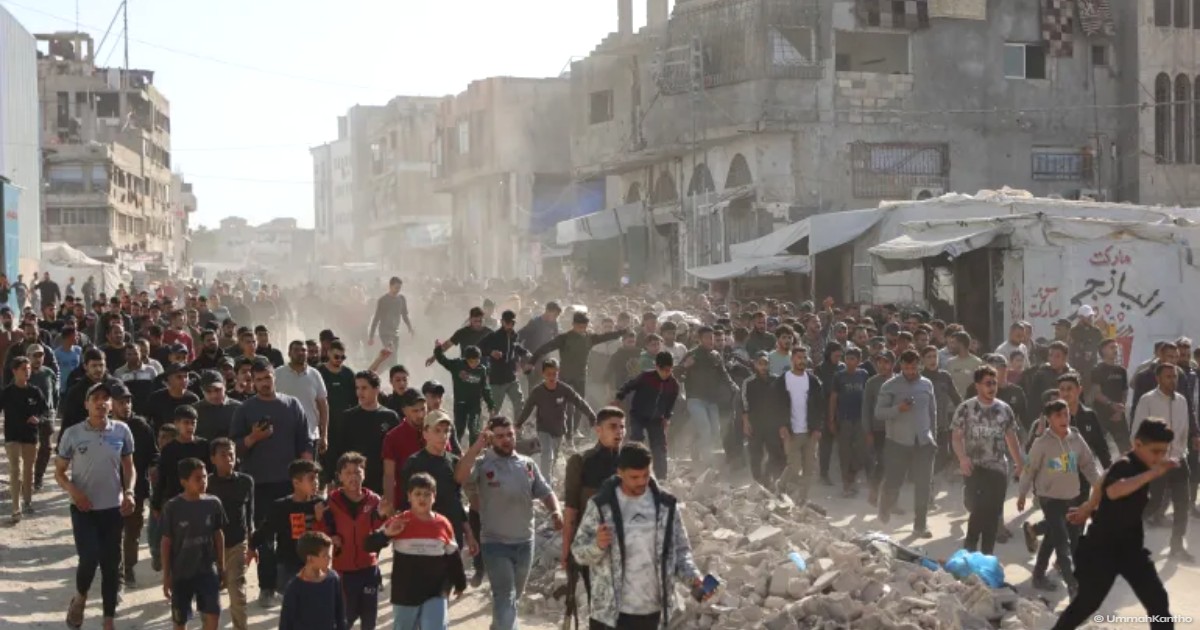
The reality on the ground contradicts official narratives of a de-escalating conflict. Lafi al-Najjar, a visually impaired Palestinian resident who lost his son in an Israeli strike on April 28, told Reuters that the war is far from over for those living in the rubble. His family currently resides in a makeshift shelter amidst the ruins of Khan Younis, a city that was once Gaza’s vibrant second-largest urban center but is now a desolate wasteland of concrete and twisted metal. For residents like al-Najjar, "ceasefire" remains a term used in news announcements rather than a lived experience.
Monitor ACLED highlighted that the nature of the attacks has also shifted, with a notable increase in the use of heavy artillery and drone-led precision strikes on residential sectors. This escalation comes as Gaza approaches its third year of what many international legal experts describe as a genocidal campaign. The redirection of military assets from the northern theater to the southern enclave suggests a deliberate intent to maximize pressure on the Palestinian resistance and civilian population alike.
As the international community’s focus fluctuated during the regional tensions with Tehran, the situation in Gaza reached new levels of severity. The lack of medical supplies and the systematic destruction of infrastructure have left the population vulnerable to both direct violence and secondary humanitarian crises. With no permanent resolution in sight, the 35 percent spike in attacks underscores the precarious nature of life in Gaza, where even a regional "pause" in conflict translates into greater suffering for those already living under siege.