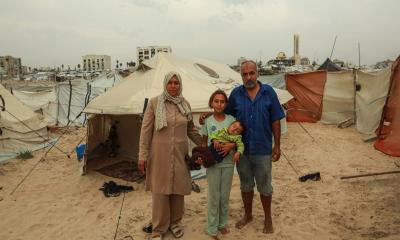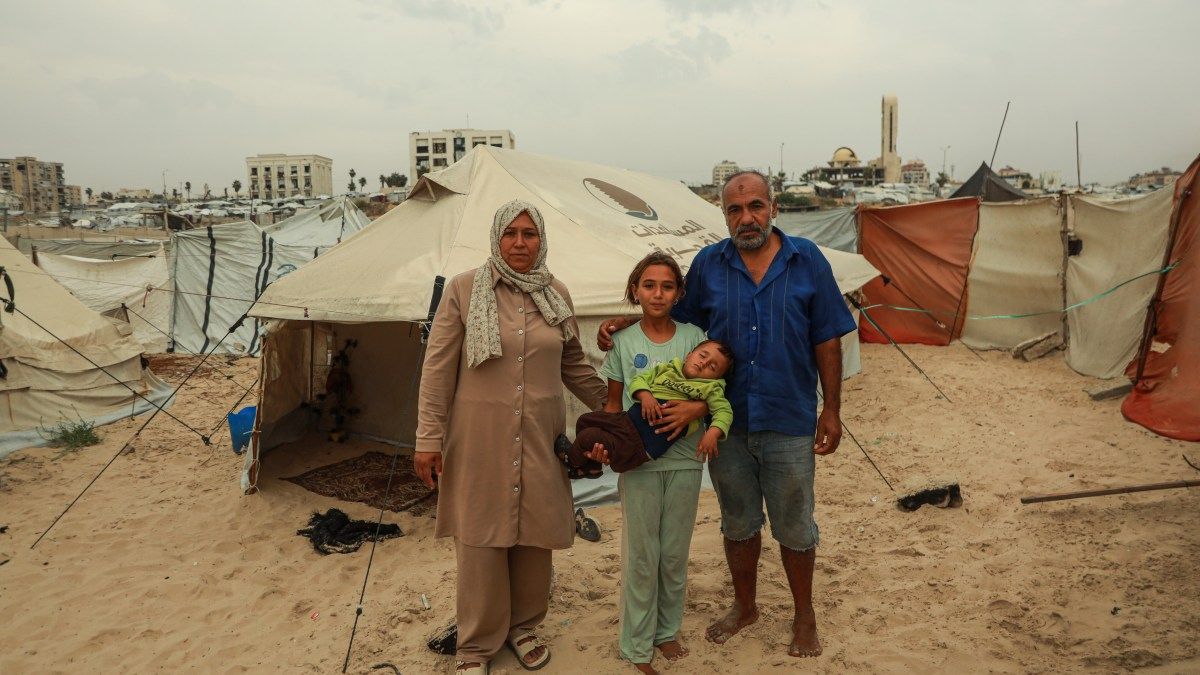
Displaced Palestinians in Gaza are bracing for a fourth consecutive winter without adequate shelter as storms approach coastal camps. Mohammed al-Jamal, a 60-year-old resident, tried to secure the worn-out nylon sheets of his family tent on a beach in western Gaza City on Tuesday. He and his sons pulled at the tarpaulin to fasten it to the ground ahead of incoming wind and rain.
Temperatures during winter in Gaza can drop to 7C and often feel much colder due to strong coastal winds. The al-Jamal family, originally from the Shujayea neighbourhood, cannot afford a replacement tarpaulin priced between 120 and 150 shekels in local markets. Around 30 members of his extended family share these conditions, having been displaced multiple times since the war began in October 2023.
"We are just trying to adapt to what we have," al-Jamal told reporters. Rainwaters frequently enter the tents, flooding living spaces and risking damage to meagre belongings. With no protection from the cold, family members rely on extra layers of clothing. Al-Jamal said promised shelter materials and caravans never arrived.
Israel’s war on Gaza has killed more than 74,500 Palestinians and damaged or destroyed over 80 percent of buildings. About 1.5 million of the enclave’s 2.3 million residents now live in tents or makeshift structures. According to the Office for the Coordination of Humanitarian Affairs, at least 294,250 families need winter shelter assistance, but current supplies only reach roughly 18 percent of those in need.
The Norwegian Refugee Council reported that at least 500 truckloads of shelter materials, including tents, ropes, and tarpaulins, were awaiting entry or procurement. The organisation warned that these supplies could take more than seven months to enter Gaza at the current pace. Meanwhile, more than 65 percent of displaced households live in tents or makeshift shelters, with over half in poor condition.
Khitam Salman, a 39-year-old displaced from Beit Lahiya, described facing the same struggle with every low-pressure weather system. One of her family’s tents has collapsed four times while they slept, leaving them exposed to sand and rain. Her husband works in the health sector but receives a salary only once every three months.
"I’m worried about this winter, that the whole nightmare will repeat itself all over again," Salman said. Damaged roads and sewage systems heighten the risk of rainwater mixing with wastewater and flooding the camps. Husni Muhanna, spokesperson for Gaza Municipality, stated that over 85 percent of the city’s infrastructure is damaged and drainage systems operate at about 20 percent capacity due to shortages of fuel and heavy machinery.
Yosra Mesleh, a 45-year-old from Gaza City’s Nassr neighbourhood, is preparing for her second winter in a tent after her home was destroyed. Her husband has been unemployed since the war started, leaving the family without resources to buy cooking gas or repair materials. "The place where we are living is not healthy or safe," she said.