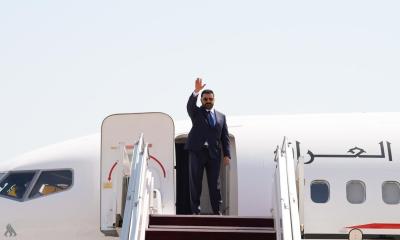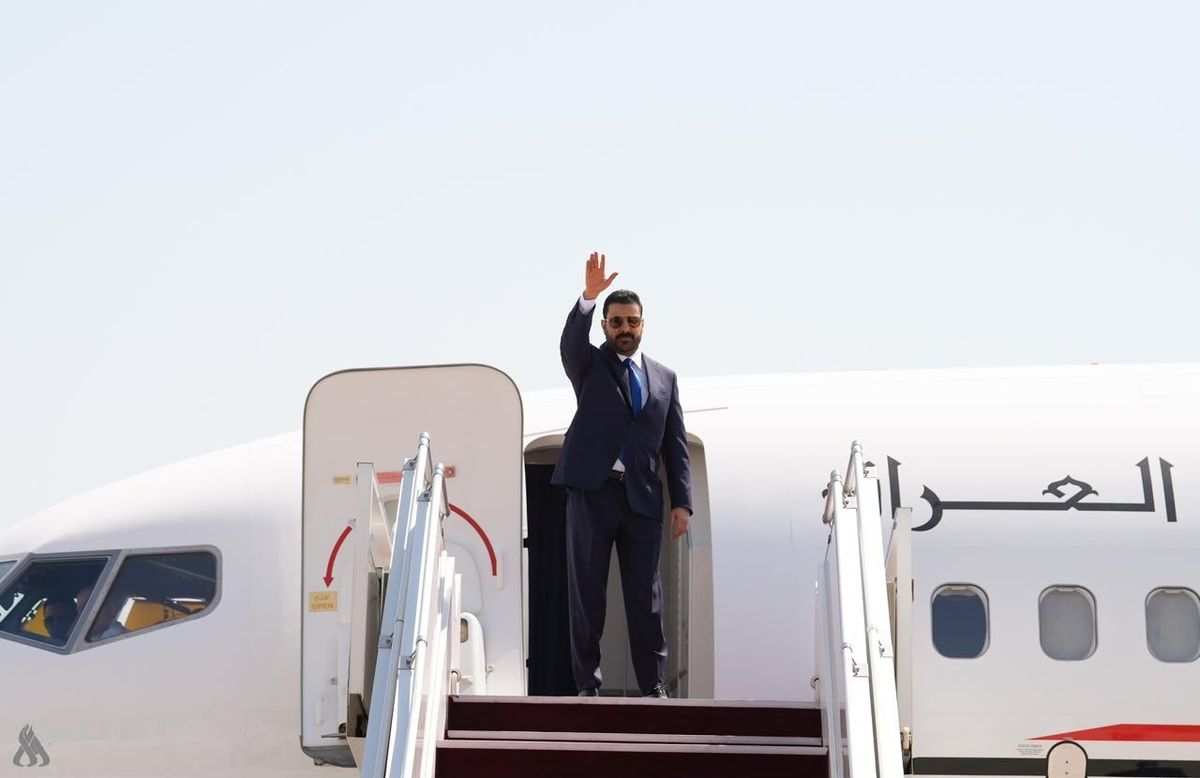
Iraqi Prime Minister Ali Faleh Al-Zaidi arrived in Damascus on Wednesday for official talks with Syrian President Ahmad Al-Sharaa. The visit aims to strengthen bilateral relations across political, economic and security sectors.
President Al-Sharaa welcomed the Iraqi leader at Damascus International Airport. The reception featured an inspection of the guard of honour.
The two leaders are scheduled to hold direct bilateral discussions. An expanded meeting involving their respective delegations will follow to cover shared regional interests.
Speaking ahead of the visit, President Al-Sharaa stated that Syria and Iraq shared a historic opportunity to deepen ties. He emphasised the goal of strengthening state institutions and building resilient economies.
In a television interview on Tuesday, the Syrian leader pointed to potential areas of cooperation. These sectors include trade, energy, agriculture, water management and transport.
President Al-Sharaa described Syria as a strategic gateway for Iraq. The country offers access to the Mediterranean Sea and Western markets.
He proposed connecting Iraq’s Grand Faw Port to Syria’s Tartus Port. He also called for the improvement of land transport routes linking both nations to regional markets.
Cross-border trade and transport have increased rapidly over the past six to seven months. More than 100,000 transit trucks and 40,000 import and export trucks have crossed between the two countries during this period.
Energy cooperation formed another focus of the planned discussions. Plans include oil pipeline projects, refinery development and the rehabilitation of associated infrastructure.
President Al-Sharaa said that rebuilding pipelines to Syria’s Baniyas port would provide mutual benefits. He added that Iraqi investment in Syria has already began in areas such as the cement sector.
On security matters, the Syrian president expressed support for Prime Minister Al-Zaidi’s efforts to combat corruption. He stressed the importance of keeping weapons strictly under state control.
Decisions concerning war and peace must rest exclusively with the state. Military and security institutions should function under a unified legal framework.
Both countries must cooperate to tackle shared water and agricultural challenges. Priorities include improving food production and facilitating travel for citizens.
Decades of war, sectarian conflict and authoritarian rule have affected both populations. Closer cooperation helps foster stability, economic development and the return of refugees.
Discussions have also taken place with Iraqi judicial officials concerning detainees transferred to Baghdad by coalition forces. The two governments agreed to create a programme to assess these cases, including Syrian nationals potentially eligible to return home.