Nearly 5,000 people have been forced from their homes in the southern West Bank city of Hebron as an Israeli military lockdown entered its second week on Friday. Municipal data and human rights statistics show the total number of forcibly displaced residents reached 4,969, encompassing 780 families. This figure represents about two percent of Hebron’s 250,000 residents, more than doubling from an initial count of 2,200 displaced people reported on October 24.
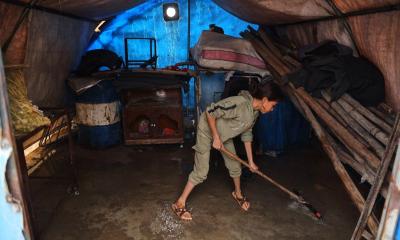
The vulnerable population among the displaced includes 441 elderly individuals, 336 infants under the age of two, 312 patients with chronic diseases, more than 200 pregnant or nursing women, and 44 people with disabilities. Hebron Mayor Yousef al-Jabari described the situation to reporters, stating that thousands of citizens were forced out of their homes while children cried after midnight. He added that the city is facing a severe, massive siege and collective punishment.
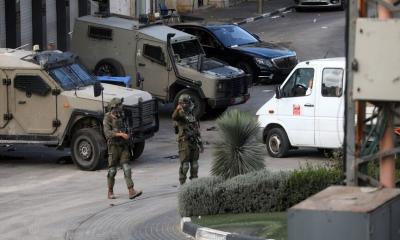
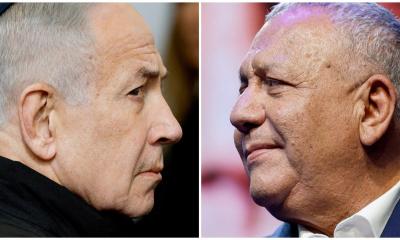
The military operation began on Friday, October 23, following an incident in which two Palestinians shot and killed two Israeli soldiers and injured three others before being killed by the army. Prime Minister Benjamin Netanyahu announced on social media that he had ordered security forces to immediately close Hebron and prepare for a full lockdown across the occupied West Bank, proclaiming an intent to destroy and completely change the area. Defence Minister Israel Katz stated that Palestinians will not be allowed to return home until Hamas infrastructure is dismantled. The Israeli news site Ynet quoted the army as saying that the search for weapons has had limited accomplishments and that keeping residents away from their homes faces legal difficulties.
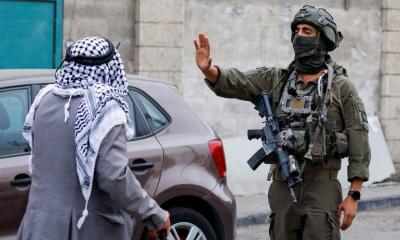
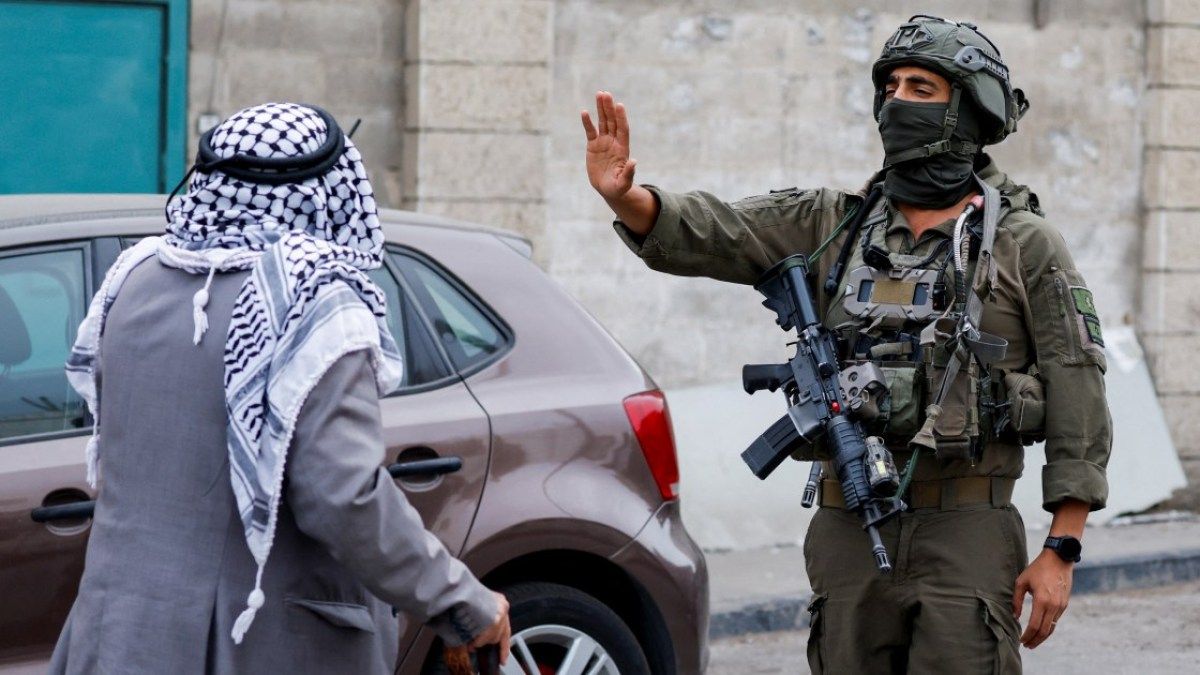
Israeli forces have sealed Hebron by closing 10 entrances located between 2.4 and 7.6 kilometres from the city centre. These blockades cut off northern access points including Halhul, Nabi Yunus, and Ras al-Jora, alongside Beit Einun to the northeast and Bir al-Mahjar to the northwest. Eastern and southern flanks are blocked at Jabal Juhar, al-Fahs, Qalqas, al-Harayiq, and Dura. Soldiers evicted families from the al-Jalda and Ein Deir Bahha neighbourhoods on October 23 using loudspeaker orders, and converted several homes into military barracks while raising Israeli flags on them.
Municipal data indicates that the targeted eviction zone spans 0.35 square kilometres, an area housing more than 500 families comprising at least 2,500 individuals. Among the families whose locations have been tracked, 283 are staying with relatives, 266 are in locations classified by the municipality as unsafe, and only 23 families have managed to secure rented homes. No displaced residents have resorted to official shelter centres.
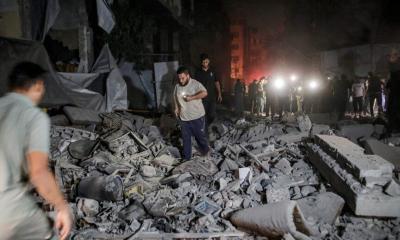
In the Farsh al-Hawa area at the city’s western entrance, Israeli forces demolished a three-apartment residential building during the first two days of the operation. They also targeted a ceramics company and car parts shops, and bulldozed approximately 7,000 square metres of land. The demolitions in this area alone caused damage exceeding two million shekels.
The Palestinian Prisoner’s Society reported that the military arrested approximately 110 Palestinians across the governorate during the first six days of the operation. The detainees include seven children, people with special needs, dozens of former prisoners, and three women, one of whom remains under interrogation at the al-Mascobiyeh detention centre. Forces also hold eight relatives of the two Palestinian gunmen. Hundreds of other citizens have faced field interrogations accompanied by severe beatings and abuse during more than 500 site searches.
The Israeli military stated it discovered a 15-metre-deep underground pit containing an electronic device near an attacker’s home. The property owner denied this, explaining that the excavation is a sewage cesspit for an area lacking infrastructure, located more than 100 metres from the gunmen’s residences.
The commercial sector has suffered heavy losses, with the Hebron Chamber of Commerce and Industry estimating daily losses at 12 million shekels. Adnan al-Natsheh, vice president of the chamber, stated that factory production capacity has plummeted by 40 to 60 percent, while the movement of commercial trucks has completely halted. The governorate encompasses about 3,500 industrial facilities, including plastics and dairy plants, as well as 70 percent of the gold workshops for the Palestinian market.