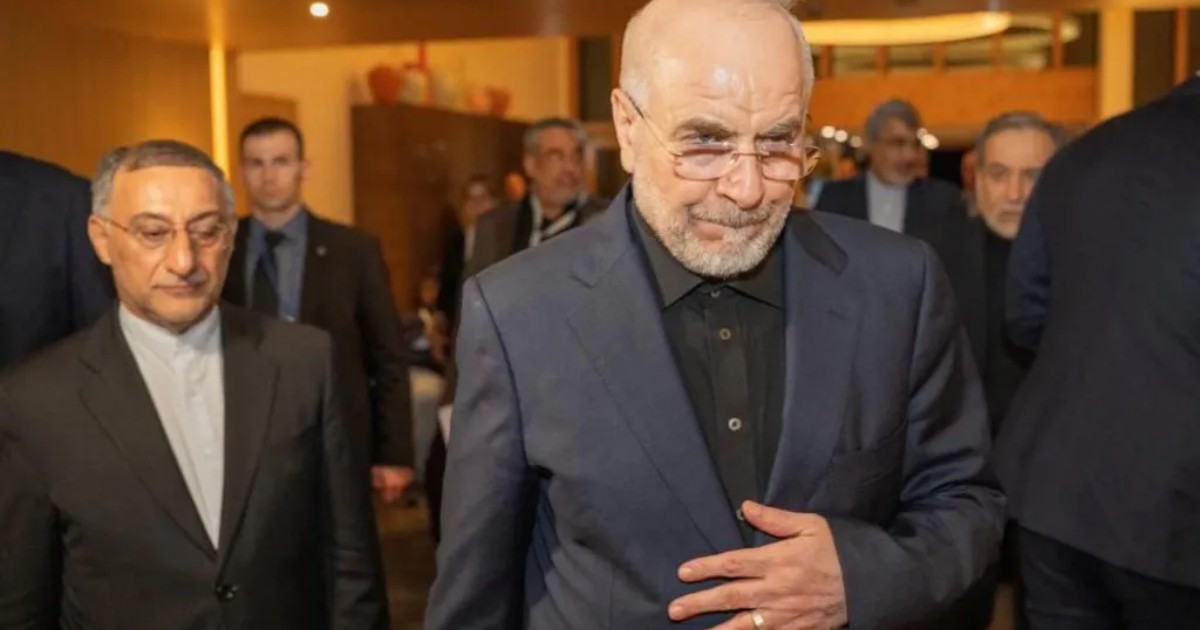
The first round of high-level negotiations between the United States and Iran to achieve a final deal to end the war concluded with encouraging progress in Switzerland on Monday, mediators Qatar and Pakistan confirmed in a joint statement, according to Reuters and BBC News. The diplomatic breakthrough achieved at the Bürgenstock resort near Lake Lucerne established an official High-Level Committee tasked with political oversight of the peace process. Both nations formally approved a comprehensive roadmap aimed at securing a definitive settlement within the next 60 days, laying the foundation for immediate follow-up technical discussions. Mediators from Doha and Islamabad praised the constructive atmosphere of the marathon session, noting that both sides demonstrated a shared commitment to resolving core regional grievances. These ongoing talks represent the most significant diplomatic engagement between Washington and Tehran in years, following weeks of an unstable and frequently breached regional ceasefire.
Under the terms established by the preliminary memorandum of understanding signed last week, Washington and Tehran agreed to set up a dedicated de-confliction cell involving Lebanon to immediately halt active military operations. Iranian Foreign Minister Seyed Abbas Araghchi announced on social media that the joint diplomatic intervention had delivered major progress toward concluding the devastating conflict in southern Lebanon. Araghchi stated that under the framework, international blockades would be lifted, oil and petrochemical export restrictions waived, and frozen foreign assets systematically released to facilitate a major Iranian reconstruction plan. The Iranian delegation led by chief negotiator Mohammad Bagher Ghalibaf subsequently departed Switzerland following the conclusion of the initial high-level talks, leaving working groups behind to manage sub-committees focused on sanctions relief and nuclear monitoring.
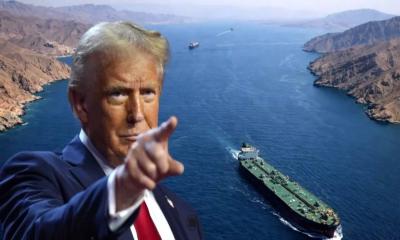
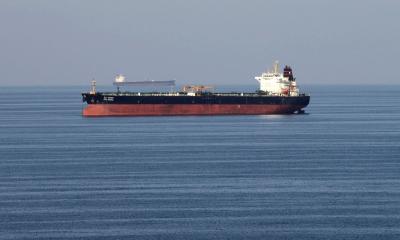
To prevent maritime accidents and operational misunderstandings in critical global shipping lanes, the two sides established a direct communication line ensuring safe passage for commercial vessels through the strategic Strait of Hormuz. This vital energy waterway had faced heightened friction after Tehran briefly announced a temporary closure over the weekend following renewed cross-border hostilities between Israeli forces and the Lebanese armed group Hezbollah. Despite the announced closure, international maritime tracking data indicated that major Qatari liquefied natural gas tankers continued to navigate the strait safely on Monday. Although a new ceasefire brokered on Friday had initially lowered direct hostilities, sporadic skirmishes and airspace violations continued to trigger regional instability in the days leading up to the Swiss peace summit.
The initial phase of the diplomatic summit faced immediate obstacles when U.S. President Donald Trump posted a direct warning on social media demanding that Iran immediately restrain its proxy forces in Lebanon or face severe military retaliation. Iranian lead negotiator Mohammad Bagher Ghalibaf swiftly dismissed the threat from Washington, stating that previous American military posturing had failed to alter Tehran`s sovereign defense calculations. What remains unclear is whether the fragile 60-day roadmap can survive parallel regional pressures, especially as Israeli Prime Minister Benjamin Netanyahu insisted that Israeli defense forces would remain deployed in southern Lebanon indefinitely. Representing the American delegation, U.S. Vice President JD Vance emphasized that the administration is prepared to fundamentally transform its bilateral relationship if Iran permanently relinquishes its long-term nuclear weapons ambitions and regional destabilization efforts.