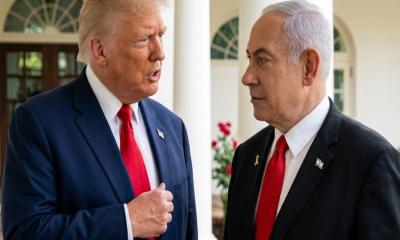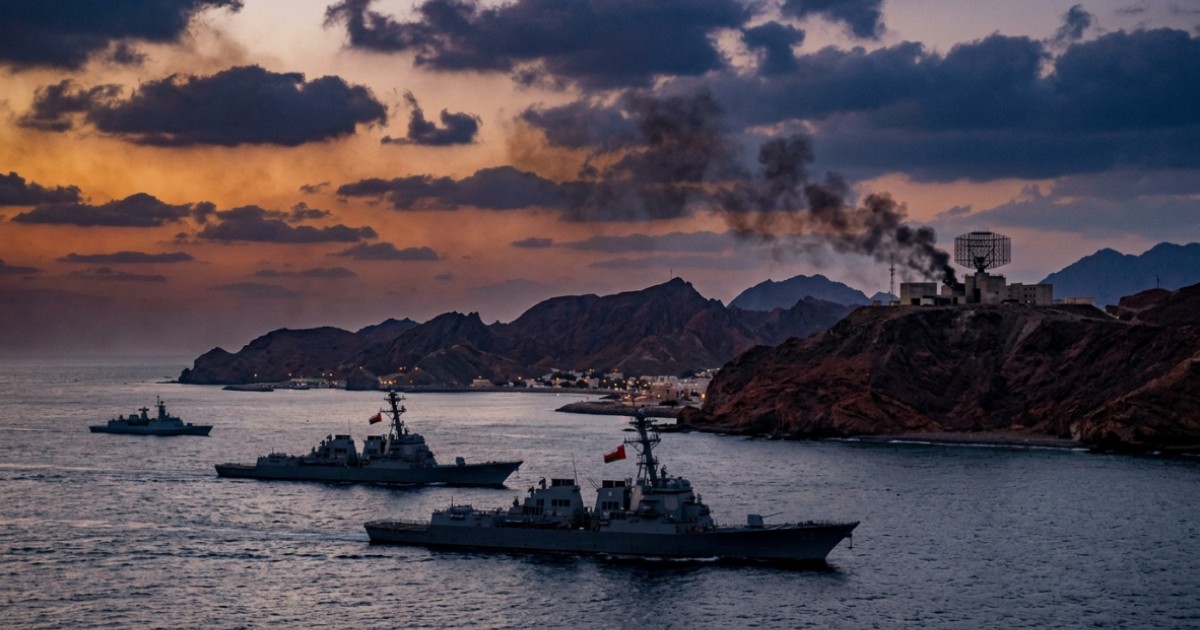
The United States military conducted retaliatory airstrikes against Iranian missile and drone storage facilities on Friday following an attack on a commercial cargo ship in the Strait of Hormuz, according to Reuters and BBC News reports. US Central Command confirmed that American aircraft targeted coastal radar positions and weapons storage sites after the Singapore-flagged container vessel, M/V Ever Lovely, was struck by an Iranian one-way attack drone on Thursday. President Donald Trump described the drone strike as a foolish violation of the fragile interim ceasefire memorandum of understanding signed between Washington and Tehran just a week earlier. Speaking to reporters in the Oval Office, President Trump declined to comment on whether he viewed the diplomatic understanding as completely broken, stating only that the consequences would soon be evident.
The strike on the commercial vessel occurred near the coast of Oman while a United Nations maritime agency was beginning an operation to evacuate hundreds of stranded ships from the vital waterway. Following the attack, the International Maritime Organization officially halted the rescue operations, declaring that evacuations would not resume until clear security guarantees are provided. According to the agency, approximately 115 ships had successfully moved out of the strait over the past few days, leaving around 500 vessels still trapped in the high-stakes maritime corridor. The sudden disruption has renewed anxieties across global markets, slowing the pace of commercial normalization in a shipping lane that handles a fifth of the world`s petroleum and liquefied natural gas.
Iran`s Islamic Revolutionary Guard Corps strongly condemned the American strikes, attributing the military escalation to the treaty-breaking United States regime. The Iranian military asserted that its navy intercepted the commercial vessel because it was utilizing an unauthorized route while transiting through the vital Gulf waterway. Ebrahim Azizi, head of the Iranian parliament`s national security commission, publicly defended the interception as routine maritime management rather than a ceasefire violation. The Revolutionary Guards later claimed they had retaliated by striking unspecified US military installations within the region, though the Pentagon has yet to provide confirmation of any American casualties or infrastructure damage.
Tensions had temporarily eased after both nations signed a 14-point memorandum on June 17, which obligated Iran to ensure the safe, fee-free passage of commercial shipping for a 60-day window. US Secretary of State Marco Rubio and the Gulf Cooperation Council had previously issued a joint statement demanding unrestricted navigation through the strait without arbitrary tolls or assertions of local control. In response to the unfolding crisis, US Vice President JD Vance warned that any further maritime violence would be met with overwhelming American military force. Meanwhile, regional mediators including United Arab Emirates Foreign Minister Sheikh Abdullah bin Zayed Al Nahyan have frantically engaged in telephone diplomacy with Tehran to salvage the fragile diplomatic agreement. What remains unclear is whether this sudden exchange of direct military strikes will permanently derail the diplomatic channel or plunge the broader Middle East back into an open hot war.