The United States and Iran are locked in an escalating cycle of military strikes that has forced both nations to evaluate the economic and political costs of a prolonged conflict, Al Jazeera reported on Thursday. Following five consecutive days of intense U.S. airstrikes and subsequent Iranian retaliatory attacks against Gulf nations and Jordan, the bilateral memorandum of understanding signed in June has officially collapsed. Pakistan, acting as the primary diplomatic mediator between Washington and Tehran, urged both nations to halt the violence immediately. Pakistani Foreign Ministry spokesman Tahir Andrabi stated during a press briefing in Islamabad that sustained engagement and diplomacy remain the only viable paths toward lasting regional peace and stability.
In public statements, leaders from both countries have maintained defiant postures to signal strength to their respective domestic audiences. U.S. President Donald Trump asserted that Tehran is desperate to negotiate a peace deal with Washington but emphasized that his administration does not trust the Iranian leadership to honor any future agreements. Conversely, Iran`s lead negotiator Mohammed Bagher Ghalibaf stated that the Islamic Republic is engaged in an existential war with America and has no reason to adhere to past diplomatic frameworks. Despite this aggressive rhetoric, independent economic and military analyses indicate that neither nation can easily sustain a protracted full-scale conflict without incurring severe national consequences.
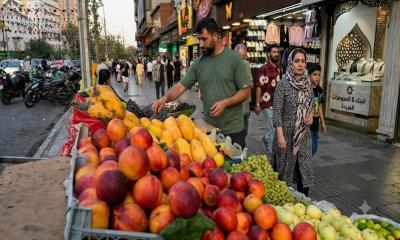
Tehran`s domestic economy faces intense distress caused by decades of comprehensive U.S. sanctions compounded by the recent military engagements. Official data indicates that Iran`s gross domestic product per capita plummeted from 8,000 U.S. dollars in 2012 to just 5,000 U.S. dollars in 2024, while crude oil exports dropped from 2.2 million barrels per day to 1.5 million barrels per day. Although the Iranian rial surged by 15 percent following the temporary sanctions relief granted under the June agreement, Washington`s re-imposition of financial penalties this week has dealt another heavy blow to the fragile currency. Furthermore, an assessment by the Center for Strategic and International Studies revealed that Iran had depleted 30 percent of its pre-war missile stockpile and 60 percent of its drone arsenal by April.
What remains unclear is how the looming domestic political challenges and weapons shortages within the United States will shape President Trump`s long-term military strategy in the region. Global energy markets reacted sharply to the latest U.S-Iran conflict escalation, with crude oil prices surging by 12 percent due to renewed anxieties surrounding the transit security of the strategic Strait of Hormuz. This volatility directly impacted American consumers at petrol stations, where fuel prices spiked from a pre-war average of 2.98 U.S. dollars per gallon to a historic peak of 4.63 U.S. dollars per gallon in May. As both nations continue to trade high-stakes strikes, including recent U.S. operations targeting the Greater Tunb island, the necessity for a negotiated diplomatic settlement becomes increasingly apparent to prevent a catastrophic regional conflagration.