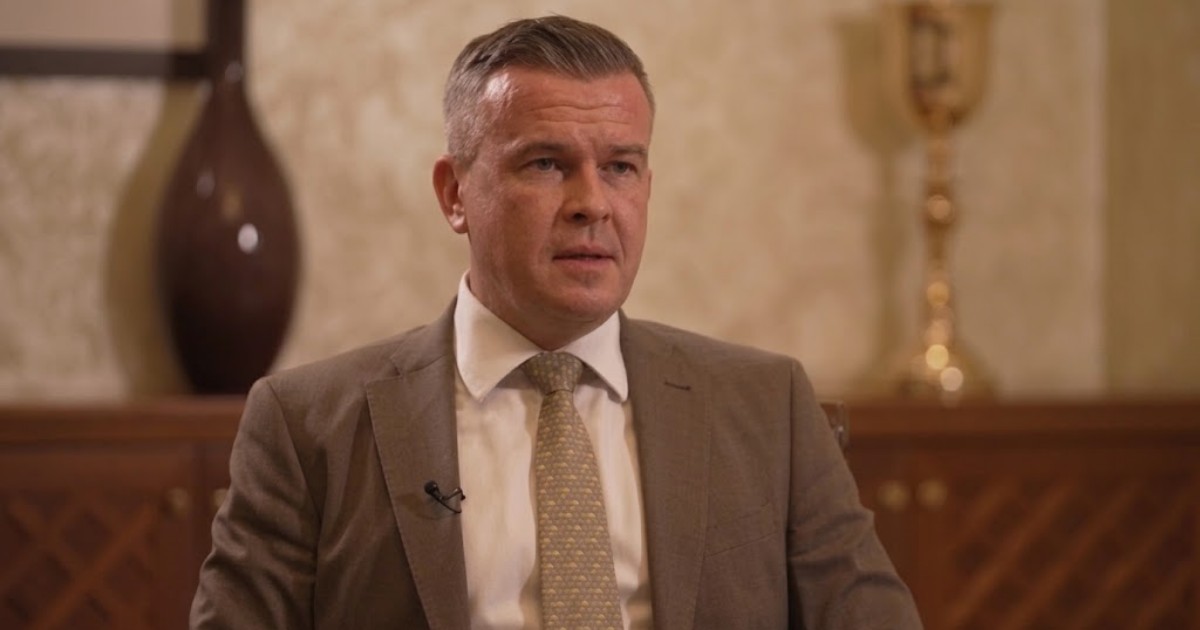
Kenya must prove it can foster a clean sporting environment if it intends to protect its global reputation ahead of hosting the 2029 World Athletics Championships, World Anti-Doping Agency president Witold Banka announced. The warning came at the conclusion of a three-day mission to Nairobi, where Banka conducted discussions with President William Ruto, sports ministers, the Anti-Doping Agency of Kenya, active athletes, and judicial authorities.
Tangible results must now follow political pledges.
Nairobi secured the rights to stage the 2029 flagship event in September, establishing Kenya as the first African nation chosen to host the competition. The historic milestone immediately amplified scrutiny over the country`s persistent doping crisis, which has seen more than 140 Kenyan competitors disciplined by the Athletics Integrity Unit since 2017. Notable sanctions include a seven-year ban imposed on former half-marathon world record holder Kibiwott Kandie for anti-doping rule violations.
Testing logistics present an acute structural hurdle.
Africa currently possesses no accredited testing facility following the decertification of the laboratory in Bloemfontein, South Africa. That facility was suspended in March 2024 for non-compliance before Wada formally revoked its accreditation in May 2025. While Kenyan authorities have expressed interest in constructing a domestic laboratory, Banka cautioned that international certification requires extensive procedural timelines to prevent catastrophic analytical mistakes, ruling out operational accreditation before 2029.
Banka stressed that doping remains a global phenomenon rather than an exclusively African dilemma, noting documented violations across established sporting nations such as the United States, Germany, and Poland.
However, the international agency cannot act as a police force to dismantle the criminal distribution chains driving illicit substances into competition. Intelligence assessments show performance-enhancing substances are actively manufactured within Kenya, feeding a lucrative regional black market. Banka urged criminal justice agencies to prosecute corrupt coaches, medical practitioners, agents, and traffickers who exploit financially vulnerable runners for commercial gain.
Protecting the legitimacy of the upcoming championships will depend entirely on how aggressively state law enforcement dismantles these underlying networks.