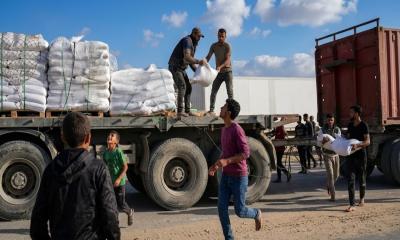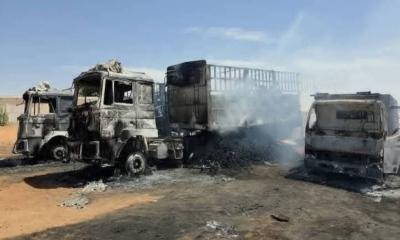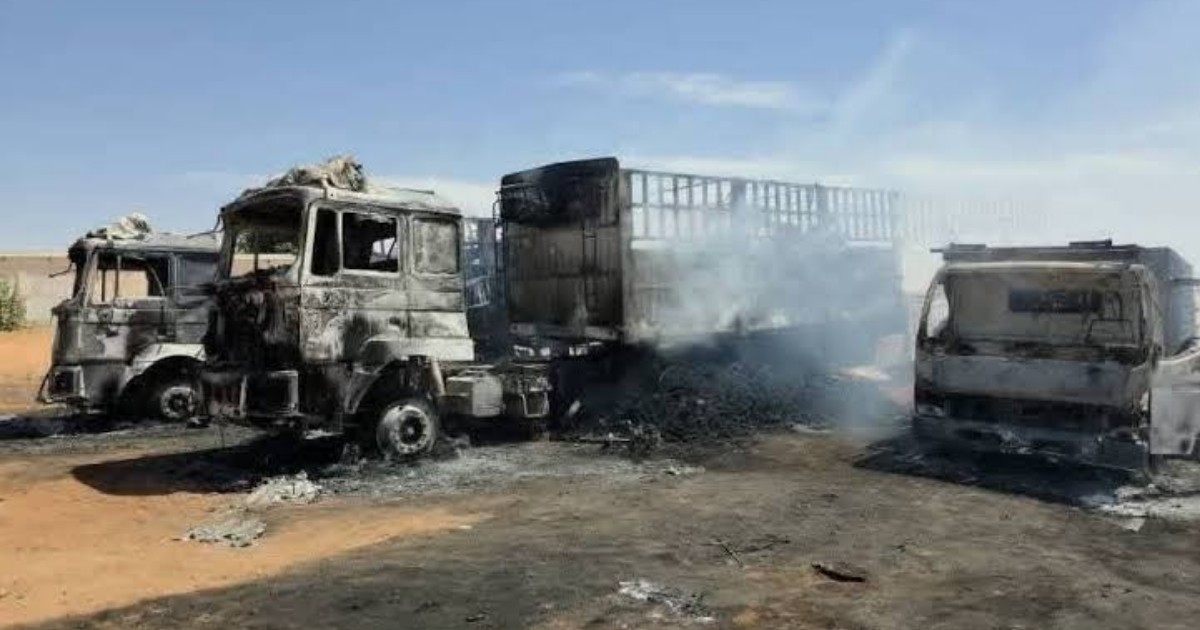
The United Nations Human Rights Council has issued a formal condemnation of ongoing drone strikes and targeted assaults on noncombatants across Sudan, warning belligerents that military operations will fail to resolve the protracted conflict. Meeting in Geneva on Monday, the 47-member intergovernmental body adopted a binding resolution demanding an unconditional halt to hostilities across all operational sectors. The diplomatic session coincided with reports from the World Food Programme confirming that an airborne strike struck a commercial transport vehicle carrying humanitarian rations in North Kordofan, killing one person on site.
Attacks against critical humanitarian distribution networks have severely crippled relief logistics.
Delegates gathered in the Swiss diplomatic hub voted to extend the operational mandate of the council’s independent international fact-finding mission tasked with investigating wartime atrocities. The measure passed with 28 member states voting in favor, 10 voting in opposition, and nine delegations registering formal abstentions. Sudan’s permanent representatives had petitioned the assembly to dismiss the motion entirely, asserting that multilateral drafters failed to accommodate sovereign reservations submitted by the administration.
Ground confrontations have intensified across regional transportation corridors over recent weeks.
The war between the Sudanese Armed Forces and the paramilitary Rapid Support Forces, which erupted in April 2023, has resulted in the deaths of tens of thousands of people and forced more than 13 million civilians from their homes, according to documentation compiled by international human rights monitors. Recent tactical movements show the Sudanese military attempting forward maneuvers in North Kordofan, while opposing paramilitary detachments have expanded the deployment of weaponized aerial drones to disrupt transport arteries.
The approved Geneva resolution mandates an immediate, comprehensive ceasefire across all fronts without preliminary conditions. The text calls for the immediate introduction of an impartial monitoring mechanism to verify combatant withdrawal alongside the swift restoration of essential civilian infrastructure, including municipal water and electrical grids.
Humanitarian agencies have repeatedly warned that targeted strikes against relief corridors risk pushing vulnerable populations across central and western provinces into widespread famine.
International envoys continue to press regional capitals to enforce diplomatic commitments and halt arms shipments into the country.