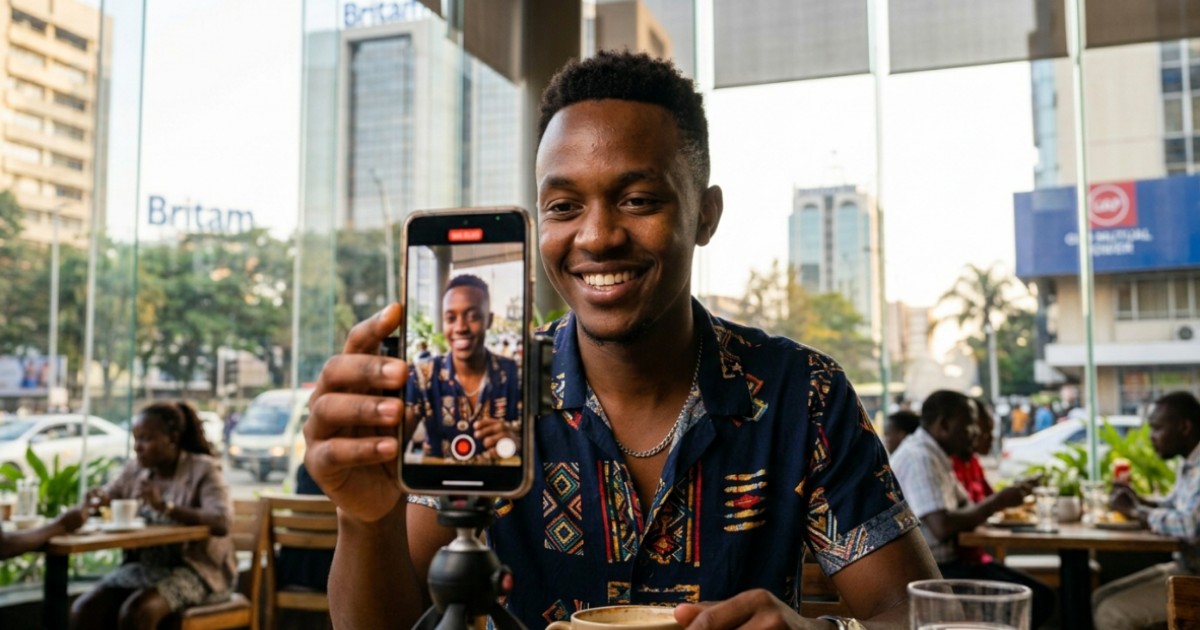
When I walked away from a promising career in law to transition into what the world now terms "content creation," my primary goal was straightforward: I simply wanted to share my art. At that time, creative photographers and writers across Nairobi were recognized strictly for the quality of their work, their unique stylistic choices, or the technical specifications of the cameras they carried. No one anticipated that social media platforms would pivot from galleries of individual expression into aggressive markets of personal commodification.The digital world has proved to be exceptionally fluid.
A decade later, the entire landscape has completely transformed, turning casual creators into full-time influencers. The modern operational model has shifted drastically from being celebrated for what you do to being micro-analyzed for who you are, how you dress, and what you consume for breakfast. Whether one practices strict dietary routines like OMAD or simply enjoys a morning coffee, everyday human habits have been converted into public commodities. Brands have capitalized on this intimate exposure, offering lucrative contracts to embed their commercial products into the daily routines of creators. This commercial integration has served as my primary livelihood since 2018.
This continuous digital immersion defines the daily lives of younger African generations, particularly millennials and Gen Z. In rapidly expanding urban centers across Africa, where smartphone adoption and internet penetration are remarkably high, the first morning instinct is to scroll through digital feeds. Platforms like Instagram, X, TikTok, and Facebook have effectively integrated into the collective consciousness. A typical user in Kenya checks WhatsApp before breakfast, absorbing an overwhelming influx of global and local information ranging from missing person alerts and religious scriptures to viral memes, political insult threads, and vacation updates from luxury destinations like Diani.When the Internet Became a Civic Classroom
This relentless data consumption forces individuals to exist more inside their devices than in the physical world. Grace Ndiege, a digital marketing specialist at Digitribe, emphasizes that audiences are increasingly preoccupied with capturing moments rather than genuinely experiencing them. Because human attention has become the supreme digital currency, corporate marketing budgets have migrated entirely to online channels where algorithms are engineered to capture every second of user engagement. Content creators act as the vital bridge in this ecosystem, normalizing commercial products by blending them into their curated domestic realities.
Beyond commerce, social media has dramatically reshaped the African continent’s civic and political landscapes into decentralized public squares. We witnessed this powerful transformation during the historic 2011 "Kenyans for Kenya" campaign, where citizens utilized the M-Pesa mobile money infrastructure to mobilize massive financial relief for famine victims in the north. Similarly, in October 2015, South African students launched the influential #FeesMustFall movement, utilizing digital networks to organize nationwide protests against rising university tuition fees. More recently, during the intense Finance Bill protests in Kenya, young citizens successfully transformed TikTok and X into open-source legal classrooms, translating complex public debt policies and legislative clauses into accessible video explanations.
Cultural exchange and everyday linguistics have accelerated at an unprecedented pace.
An aspiring filmmaker in Kampala can master cinematic techniques by studying a digital creator based in Canada, while a Nigerian chef can leverage a global audience to shatter a Guinness World Record. This hyper-connected environment has introduced a sharp, informal vocabulary where approval is "clocked" and professional excellence is described as "cooking." However, this rapid continental connection comes accompanied by profound psychological and societal consequences.The Mental Burden of Curated Realities
Family psychotherapist Maggie Gitu warns that social media systematically flattens the depth of genuine human relationships by removing context from personal connections. The illusion of constant accessibility often misleads users into confusing digital proximity with meaningful community solidarity. Audiences only possess access to highly sanitized, meticulously curated representations of a creator`s life. This structural setup inevitably fosters toxic cycles of social comparison and inadequacy among young users.
While social media did not invent human envy, it amplifies it by presenting endless, uncontextualized evidence of peers achieving milestone successes. Witnessing an acquaintance purchasing real estate or vacationing in Zanzibar frequently triggers deep-seated anxiety and emotional strain. Creators themselves endure severe mental health pressures to maintain these flawless aesthetics, deliberately hiding collapsing marriages, creative burnout, and the acute anxiety triggered by underperforming algorithmic metrics.
To counteract this invisible crisis, developing an intentional offline reality remains absolutely essential. Former active users like David Mbotela have chosen to deliberately disconnect from these platforms to preserve their mental well-being and rediscover authentic human interactions. In an era where misinformation requires nothing more than a sensationalized caption and a viral moment to trigger widespread disruption, setting strict personal boundaries with the digital world is no longer optional. Distinguishing between a performative digital space and grounded reality is the ultimate necessity for the modern African internet user.