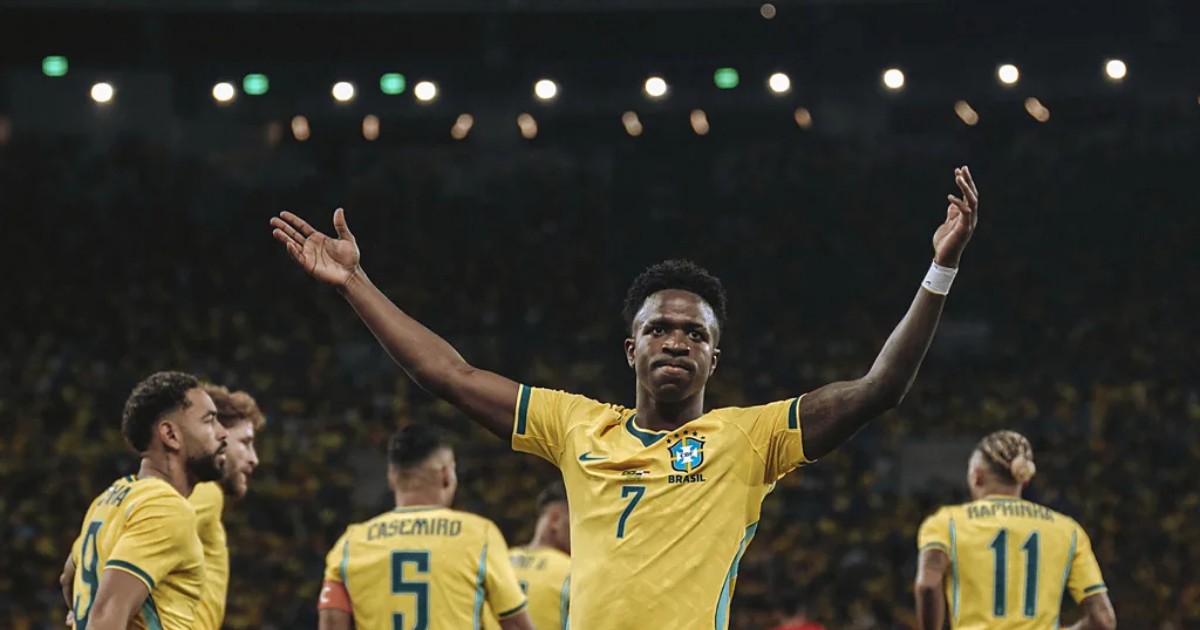
The Brazilian national football team has integrated advanced smart vests wearable tracking technology to gather extensive data on its players ahead of the 2026 FIFA World Cup, BBC News reported in a special sports analysis. With five world titles cementing their historic reputation as a global football powerhouse, the South American nation is seeking a critical technological edge following disappointments in their past five tournament appearances. Head coach Carlo Ancelotti and his technical staff are relying heavily on this real-time data to monitor player metrics, which will guide critical tactical adjustments and career-defining squad selection choices before the tournament begins. Brazil is scheduled to kick off its highly anticipated World Cup campaign against Morocco on Saturday, June 23, 2026, marking the first major test for this data-driven approach.
The performance monitoring framework relies on specialized sensor-laden vests worn underneath the standard training kit or match jerseys during the domestic club season. These tracking devices capture precise biological and physical metrics, including maximum sprint speeds, heart rates, cardiovascular exertion, fatigue levels, and specific timelines for injury recovery. While electronic performance and tracking systems have advanced rapidly across international football over the last decade, Brazil has implemented this strategy comprehensively across its men, women, and youth setups. This systemic integration allows national sports scientists to maintain a continuous stream of information on their elite athletes regardless of their domestic leagues.
Guilherme Passos, the head of sports science for the Brazilian national team, explained that his department coordinates directly with individual club teams to aggregate tracking data when players are away on domestic duty. This collaborative framework allows the staff to easily import external metrics into a centralized national database to evaluate performance trends remotely. International managers face a unique challenge compared to club coaches because their star players are scattered across different continents and highly varied competitive leagues. The adoption of uniform tracking vests effectively bridges this geographical gap, allowing the coaching staff to see exactly where players stand within their training and physiological transition processes.
What remains unclear is whether this intensive reliance on quantitative metrics might inadvertently place psychological pressure on athletes or override their natural, intuitive decision-making on the pitch. Some traditional football analysts argue that over-analyzing data can limit the creative spontaneity that has historically defined Brazilian football, though sports scientists maintain that technology is indispensable in modern high-performance environments. For instance, if data confirms an athlete possesses exceptional acceleration, the coaching staff can design specific counter-attacking tactics tailored to leverage that individual strength.
After years of underwhelming finishes on the international stage, the Brazilian football federation is leaving nothing to chance by combining tactical discipline with cutting-edge sports science. The precise monitoring of muscle fatigue and recovery rates is expected to play an important role in preserving squad depth during the grueling tournament structure. Under the leadership of Ancelotti, the team is preparing to showcase a modern synthesis of traditional flair and modern scientific preparation as they pursue their sixth world championship title.