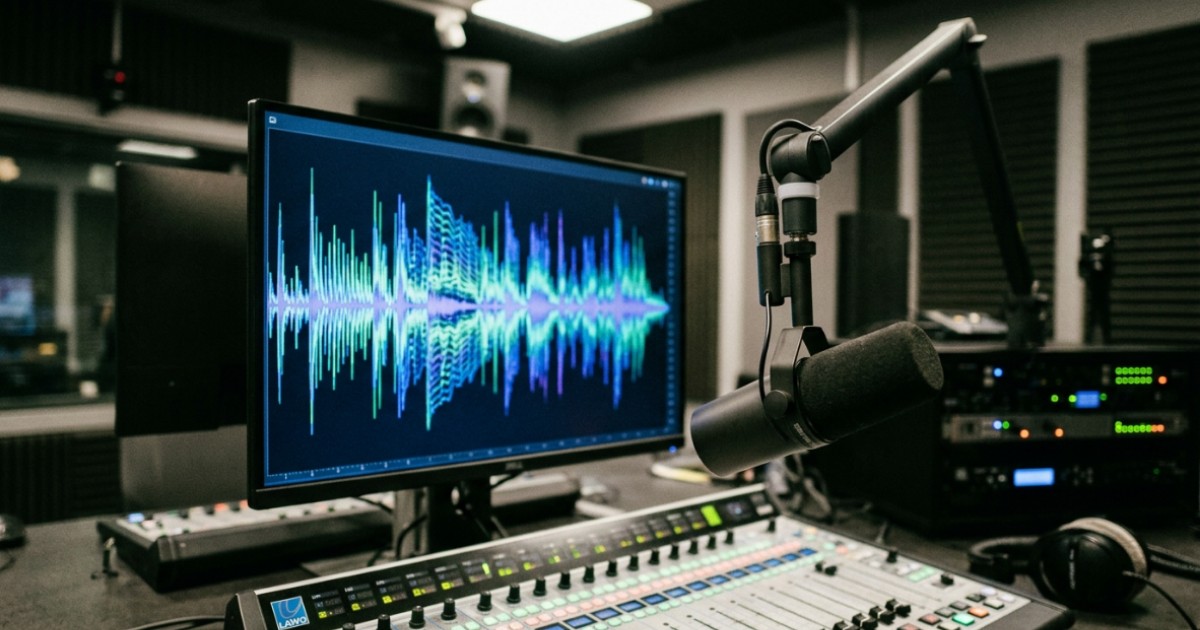
The broadcasting of artificial intelligence generated songs on local commercial radio stations has divided opinion in Northern Ireland, BBC News reported on Sunday. The controversial tracks, which featured a distinct Northern Irish theme, garnered hundreds of thousands of listens on various social media platforms before being added to local commercial radio playlists. However, following an intense online backlash and widespread public debate, radio stations were forced to remove the artificial tracks from their broadcasting schedules. While content creators argue that AI music represents a valid form of contemporary art and an innovative tool for personal expression, professional musicians and songwriters have strongly rejected the integration of this technology.
What remains unclear is whether these synthetic tracks will permanently alter the landscape of the creative industries or completely diminish the value of human musicianship over time. Paul Connolly, a veteran songwriter and the lead singer of the alternative-punk band The Wood Burning Savages, expressed profound anger and disappointment regarding the rise of artificial intelligence in music. He stated that the reliance on machine-learning algorithms is a direct slap in the face to authentic artists whose vocational role is to help society make sense of human experiences. Connolly, who regularly conducts music workshops for individuals of all age groups, observed that local artists are finding it increasingly difficult to secure live gigs or obtain radio airplay amid the massive influx of automated content.
The seasoned musician further emphasized that the presence of artificial compositions on popular streaming networks and radio playlists is forcing genuine artists to devalue their own work and abandon the industry altogether. He firmly believes that artificial intelligence is incapable of providing true emotional comfort or inspiring the next generation of creative storytellers. Connolly used a striking metaphor to describe the current technological shift, stating that while human music serves as genuine food for the soul, AI-generated compositions are merely a cheap takeout option for the arteries. Amid this ongoing cultural friction, a growing segment of the public is demanding stricter regulations regarding the commercial broadcasting of automated audio content to protect human livelihoods.
Supporters of the technology maintain that automated music generation democratizes the creative process, allowing individuals without formal musical training to produce complex melodies. Nevertheless, industry watchdogs and intellectual property experts warn that unregulated AI proliferation could lead to widespread copyright infringement and structural unemployment within the creative arts. As radio stations worldwide navigate this digital transition, the debate over the ethical boundaries of broadcasting automated art continues to intensify across the global entertainment sector.