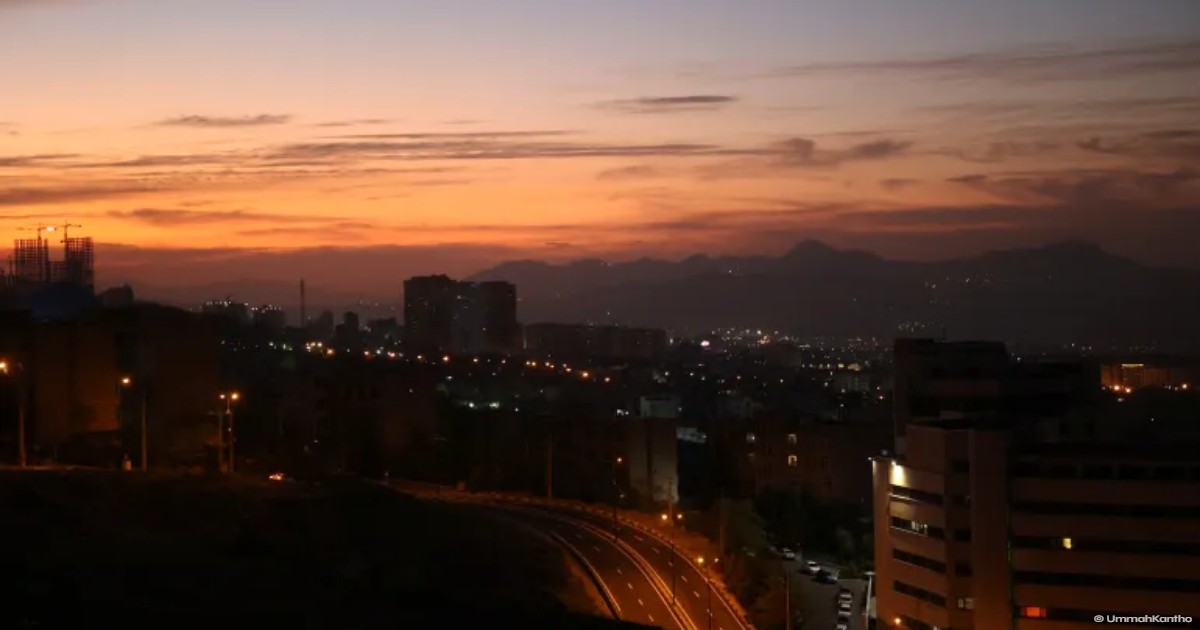
A series of nine seismic tremors struck the Pardis region east of Tehran overnight, prompting a renewed sense of urgency among geological experts and the residents of the Iranian capital. The activity, reported by Iran’s Mehr News Agency on Wednesday, has reignited long-standing fears that the metropolitan area could be on the brink of a major seismic catastrophe. While no immediate casualties or structural damages were reported following the overnight events, the frequency of these tremors has raised red flags regarding the accumulated tectonic pressure beneath one of the most densely populated cities in the Middle East.
The epicenter of these recent tremors is located near the Mosha fault, which is recognized as one of Iran’s most volatile and active seismic zones. Spanning approximately 150 kilometers in length, the fault lies a mere 40 kilometers from the heart of Tehran. State media confirmed that at least one of the earthquakes reached a magnitude of 4.6 on the Richter scale. Although characterized as mild, the proximity to the capital makes even minor activity a cause for significant national concern. Tehran is surrounded by several major faults, including the North Tehran and Rey lines, making it a focal point for disaster preparedness discussions.
Prominent seismologist Mehdi Zare shared his assessment with local media, noting the inherent uncertainty following such a sequence of events. He explained that while successive tremors can sometimes represent a gradual release of seismic energy—potentially reducing the risk of a larger quake—they are also frequently observed as precursors to a more devastating event along a major fault system. Zare emphasized that Tehran’s vulnerability is significantly compounded by its rapid urban development and massive population concentration. He warned that even a moderate earthquake could lead to disproportionate chaos due to the city’s aging infrastructure and congested emergency routes.
Tehran is home to over 14 million people, many of whom live in buildings that predate modern seismic safety codes. Experts have consistently argued that a high-magnitude earthquake in this region could have global humanitarian consequences. The memory of the 2003 Bam earthquake, which claimed over 30,000 lives, remains a poignant reminder of the country`s susceptibility to nature’s power. Given the city’s role as the political and economic hub of Iran, the impact of a significant seismic event would extend far beyond local property damage, potentially disrupting national governance and regional stability.
In response to the overnight activity, local authorities have advised residents to remain vigilant. While the government has implemented various disaster management protocols over the years, the sheer scale of Tehran presents logistical challenges that are difficult to overcome during an actual emergency. The recent activity along the Mosha fault serves as a stark reminder of the geological forces at play beneath the capital. For now, the scientific community continues to monitor the data closely, hoping that these nine tremors were merely a release of pressure rather than the beginning of a larger disaster.