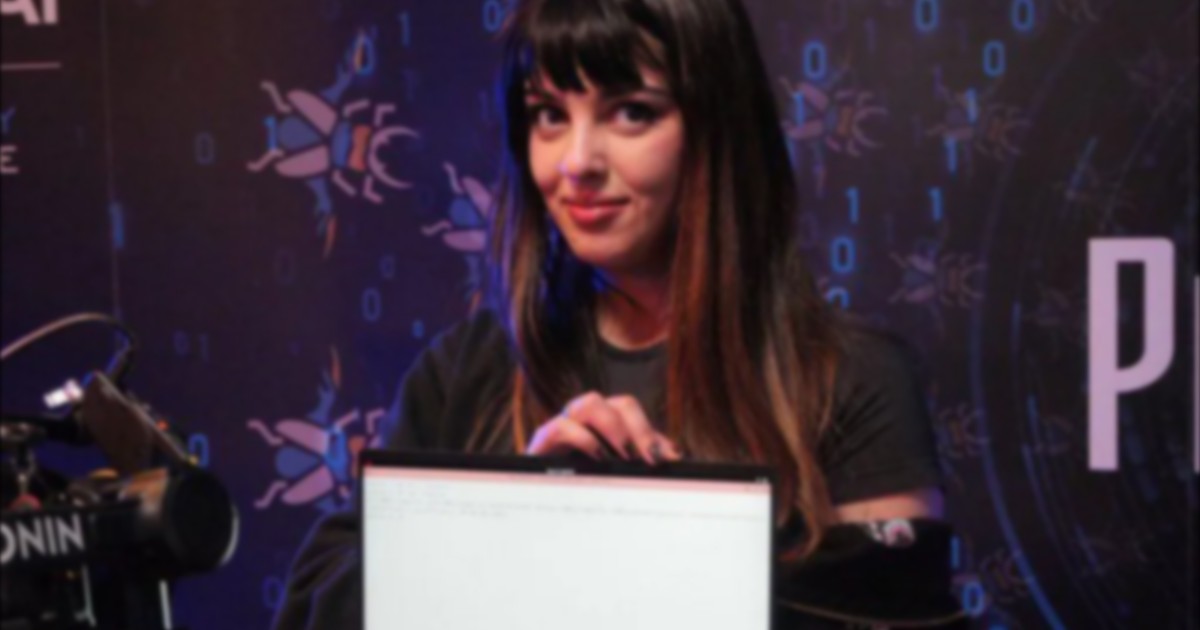
The rapid advancement of artificial intelligence is transforming the cybersecurity landscape, raising significant questions about the future of human professionals. A champion ethical hacker has warned that the rise of highly advanced software tools could eventually put human bug hunters out of business. The emergence of specialized AI systems like Claude Mythos has fueled these concerns among industry veterans.Valentina Palmiotti, globally recognized as Chompie, voiced these concerns after her historic performance in Berlin.
Competing at the prestigious annual Pwn2Own hacking competition, Palmiotti emerged as the most successful individual participant this year. Working as a security researcher for IBM X-Force, she acknowledged that tools like Claude Code currently serve as great assistants for winning bug bounties. However, she emphasized that incoming generations of AI will change the dynamic entirely, making it nearly impossible for humans to match their speed.
Anthropic, the creator of Claude Mythos, stated that the model has already identified more than 1,600 critical vulnerabilities across hundreds of software programs. Due to the high potential risks associated with such an advanced model, it is restricted to select government agencies and defensive institutions. During the Pwn2Own event, human ethical hackers collectively discovered 47 new zero-day flaws, earning a total payout of nearly $1.3 million from grateful tech firms.
Palmiotti described entering a state of complete isolation, fueled by adrenaline and energy drinks, to secure her $70,000 in total prizes from exploiting systems linked to Nvidia and Linux. Despite her success, she believes this year might have been one of the last chances for human researchers to easily find lower-hanging security flaws. Future updates like GPT 5.5 Cyber and Mythos might completely automate these discoveries, leaving room only for an elite tier of human experts.
Other top winners, such as Taiwan’s Orange Tsai, maintain a more optimistic perspective on the technological shift. Tsai led his research team to clear $375,000 in rewards and views AI primarily as an excellent assistant that handles repetitive testing workflows while he sleeps. While AI raises the barrier to entry, many experts believe human creativity and structural intuition will always uncover deep architectural bugs that automated networks overlook.