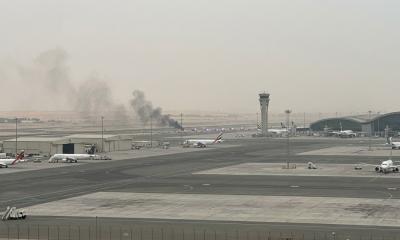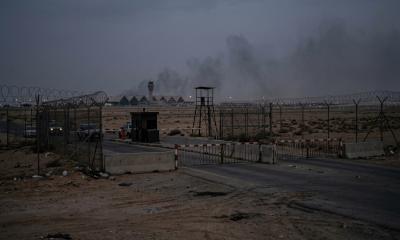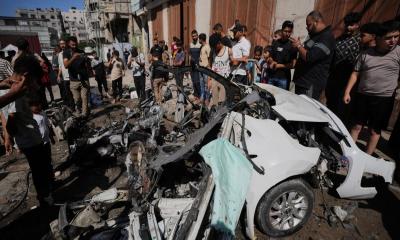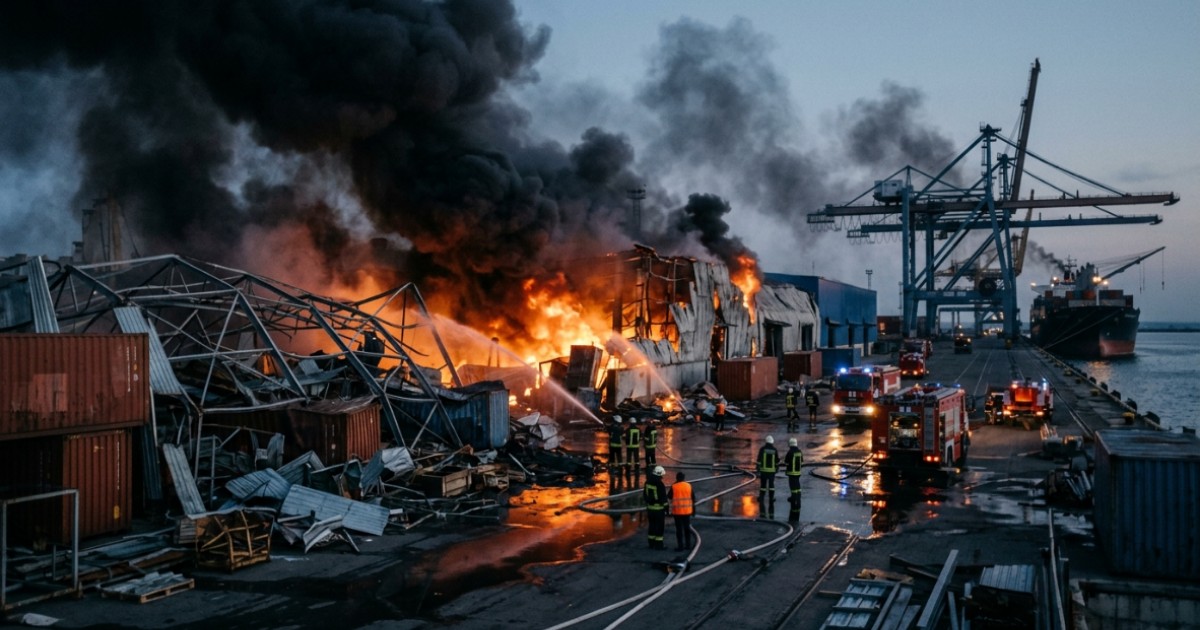
At least three people were killed and three others wounded in Russian strikes on Odesa, according to the city’s military administrator. The attacks, which targeted port infrastructure, have intensified the conflict in the Black Sea region. Reuters and AFP reported that the strikes on the southern Ukrainian region have continued for five consecutive days, causing significant damage to civilian and industrial sites. The escalation marks a critical moment in the ongoing battle for control over key trade routes.
In retaliation, Ukraine launched drone strikes targeting Russian vessels in the Black Sea. Robert Brovdi, commander of Kyiv’s drone force, stated that 20 Russian ships were hit, including 17 oil tankers, two gas tankers, and a tugboat. Moscow’s defense ministry confirmed the strikes on the Odesa and Chernomorsk ports, alleging that the facilities were used for fuel storage and drone assembly. These ports are critical for Ukraine’s grain exports and wartime economy. The grain export routes through Odesa remain a focal point of the conflict, as both nations recognize the economic significance of the port facilities.
The Ukrainian military has increasingly relied on drone technology to challenge Russia`s naval presence in the Black Sea. Recent claims regarding the targeting of Russian tankers highlight a shift in tactics aimed at disrupting Moscow’s ability to sustain operations in the south. While Moscow has characterized these actions as acts of aggression, Kyiv views them as necessary steps to regain sovereignty over occupied territories. Global analysts remain concerned about the stability of the Black Sea and the potential for these clashes to impact international shipping lanes.
The escalation occurs as European Commission President Ursula von der Leyen arrived in Kyiv to discuss defense industry integration. She announced plans to deepen cooperation between Ukraine and the European Union to boost production capabilities. The involvement of European leadership in defense integration suggests that diplomatic and military support for Ukraine will likely remain a long-term commitment. Tensions continue to rise as both sides attempt to disrupt logistics and control key maritime trade routes, leaving the international community to monitor the situation closely for signs of further instability.