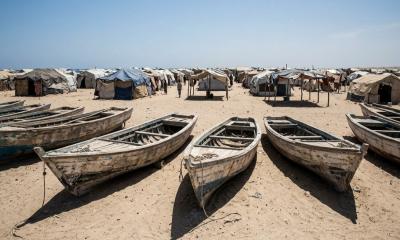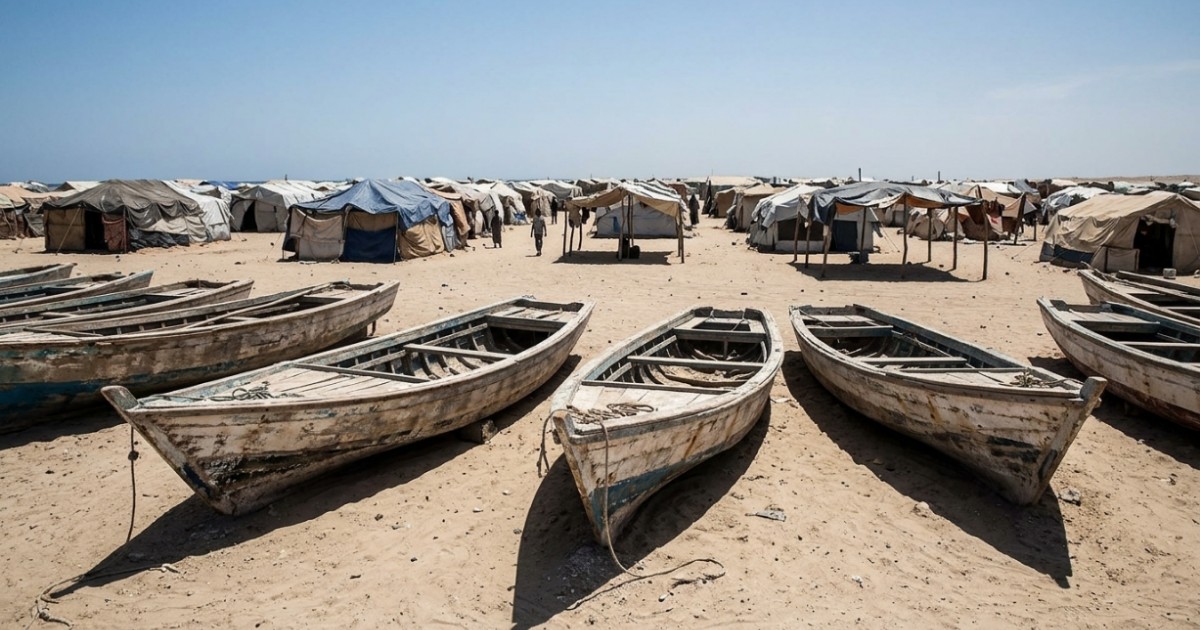
Djibouti refugee reception capacity is facing acute operational distress after more than 2,700 Yemeni nationals arrived on its northern shores seeking sanctuary from ongoing warfare. Escaping persistent violence at home, families completed treacherous sea voyages across the southern maritime corridor before making landfall. Field reports verified on Saturday indicate that the sudden influx has severely pressured existing infrastructure across coastal containment sectors.
Families undertook severe risks navigating crowded vessels.
The vast majority of newly arrived displaced persons have concentrated in the northern port town of Obock. Speaking from arrival zones, those who made the journey described fleeing active ground combat and airstrikes, leaving them no viable alternative except maritime escape. Displaced families are now sheltering under makeshift arrangements while petitioning international relief organizations for basic rations, potable water, and emergency medical assistance.
Local relief resources remain pushed far beyond normal limits.
Aid officials operating across the region warn that continuing political fragmentation in Yemen continues to drive irregular sea voyages toward East Africa. Municipal resources in Obock remain constrained, creating significant distribution backlogs as emergency supplies are deployed to arriving boatloads. The small Horn of Africa state has historically served as a critical transit route, yet the current rate of arrivals threatens to overwhelm regional shelter capacity.
International monitoring groups have underscored that sustained assistance programs will be required to avert a deeper breakdown across northern coastal settlements.