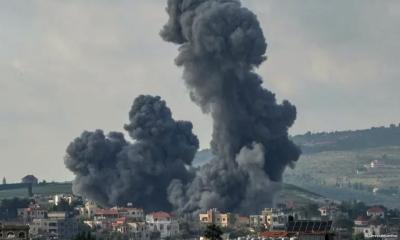
Attacks conducted with weaponized unmanned aerial vehicles by Colombia armed groups surged by 146 percent during the first five months of 2026 compared to the corresponding period last year, the national Ombudsman`s Office reported in an official assessment. Wire dispatches published through Agence France-Presse confirmed that the rapid proliferation of modified commercial drones has radically altered the operational landscape between illegal guerrilla factions and government security forces. Rural populations situated along contested corridors continue bearing the direct burden of the aerial exchanges.
The documented aerial strikes killed 21 individuals and injured 145 others.
Official statistical registers showed that nearly one-third of all casualties recorded from the attacks were non-combatant civilians, including several children. Non-state combatants regularly configure light commercial drones with improvised munitions, directing payloads against military installations as well as civilian residences, educational centers, petrol stations, and regional transit hubs. State monitors observed that the pervasive noise of low-flying aerial devices has generated chronic psychological distress across vulnerable agricultural settlements.
National Ombudsman Iris Marin warned that the expanding drone campaigns have triggered waves of internal displacement throughout remote administrative departments. Rural laborers face systemic barriers to working their fields, accessing regional medical clinics, or conducting commercial transit due to persistent overflights and sudden bombardment risks. Marin stressed that the instability has severely restricted access for international humanitarian convoys while blocking displaced farming families from returning to their ancestral territories.
Security analysts identified that illegal armed formations employ unmanned aerial hardware for tactical assaults and territorial monitoring. The devices are deployed to strike state garrisons and rival cartel networks while conducting persistent surveillance over clandestine coca processing facilities. In a separate finding published last month, Human Rights Watch documented that armed syndicates are actively recruiting minors across online platforms including Meta and TikTok, training young recruits to assemble and pilot improvised combat drones.
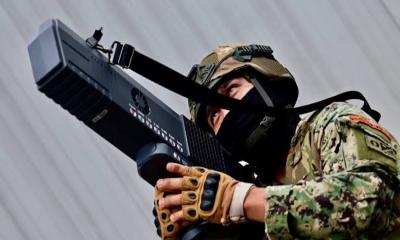
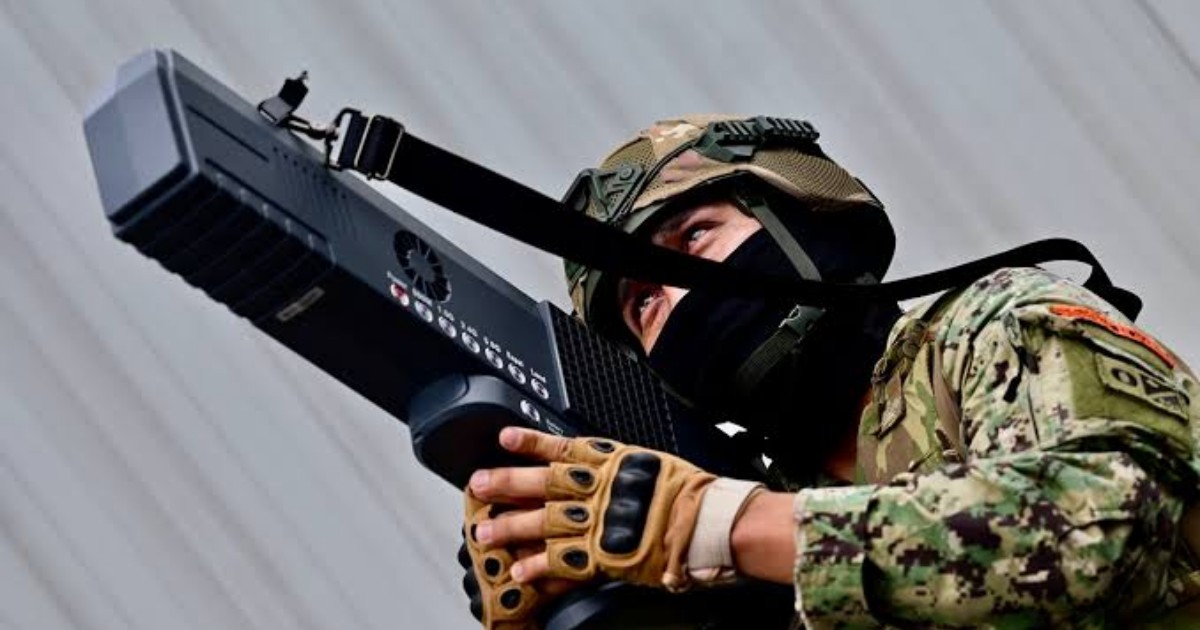
Neutralizing aerial craft across Colombia`s dense cloud forests and rugged Andean geography presents severe logistical complications for ground interceptors. To counter the threat, the administration of President Abelardo de la Espriella authorized a 1.68-billion-dollar project in January to construct an integrated anti-drone defense shield. Operating from an administrative command center in Barranquilla with strategic support from Washington, federal forces have deployed United States-manufactured counter-drone aircraft alongside grenade-launching units to eliminate guerrilla launch sites.