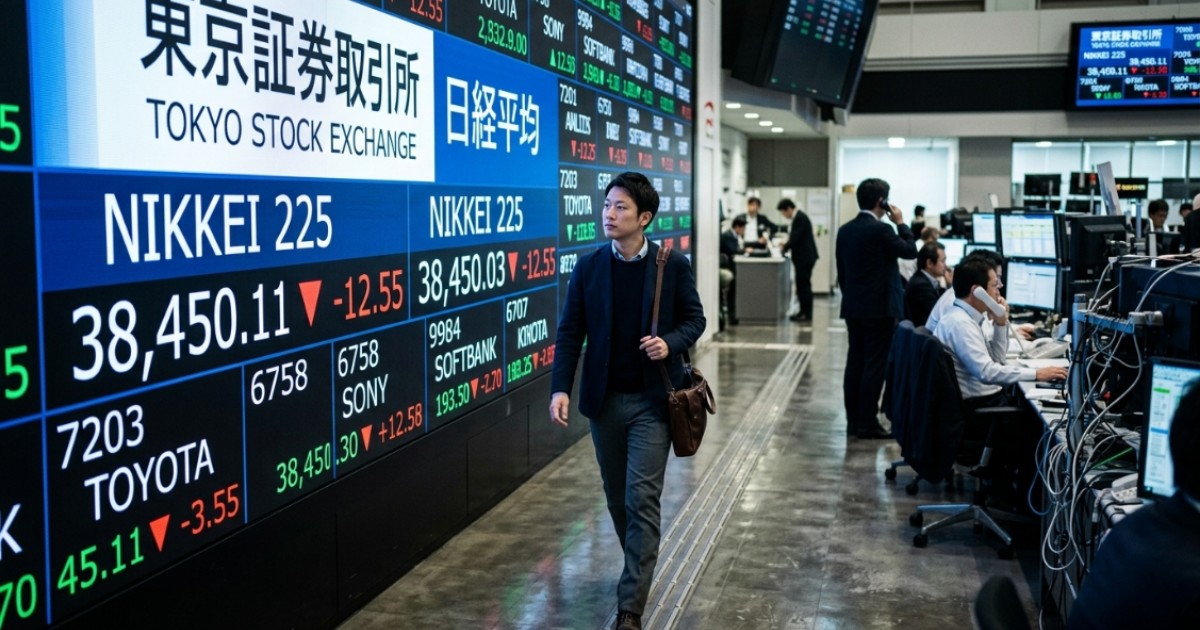
The Bank of Japan raised its benchmark interest rate by 0.25 percentage points on Friday to 1.25 percent, lifting nationwide borrowing costs to their highest level in 31 years, central bank authorities confirmed. The monetary tightening decision reflects intensifying pressures to curb persistent domestic price growth alongside competitive wage demands across the industrial sector. The move represents the central bank`s first rate increase since June.
Borrowing costs stand at their highest point since 1995.
The monetary adjustment moves Japanese interest rates significantly closer to levels policymakers consider neutral, continuing an orderly exit from decades of ultra-loose monetary stimulus. Prolonged periods of zero and negative interest rates had long cemented the Japanese yen`s position as a low-cost global funding currency for international investors. Central bank officials stated that sustaining artificially suppressed lending conditions is no longer viable as energy import costs escalate and broader consumer inflation remains firmly above the institution`s official 2 percent benchmark.
Government statistical releases published Friday indicated that core consumer price inflation held steady throughout August, driven by retail distributors passing packaging and logistical expenses onto everyday food commodities. Policymakers are also confronting acute structural labour shortages caused by an aging population, which has steadily driven wage demands across key manufacturing sectors. Speaking earlier in the week, Bank of Japan Executive Director Koji Nakamura warned that demographic headwinds represent an enduring structural reality rather than a temporary economic shock.
International monetary policy dynamics contributed substantial urgency to the Tokyo board`s deliberations. The United States Federal Reserve instituted a policy rate increase on Wednesday while signaling potential for another adjustment before the year concludes, maintaining broad pressure on Asian currencies. Widening interest rate differentials between Washington and Tokyo risk depreciating the yen further, which accelerates imported inflation across energy-dependent sectors. Concurrently, the European Central Bank lifted its headline rate to 2.5 percent last week, leaving Japanese yields comparatively compressed.
Financial institutions and currency desks worldwide are closely analyzing commentary delivered by Bank of Japan Governor Kazuo Ueda during his post-meeting news conference. Market participants seek concrete indicators regarding the projected cadence and terminal threshold of subsequent monetary policy adjustments.