Australia will detain individuals who remain in the country after their visas expire as part of an expanded compliance strategy, Home Affairs Minister Tony Burke announced during an address at the National Press Club. The federal initiative aims to reinstate administrative consequences for non-compliance, directing border authorities to locate non-citizens residing without legal status. Officials stated that the enforcement measures seek to re-establish regulatory norms that governed international travel prior to recent legislative shifts.
The federal government is reintroducing mandatory detention.
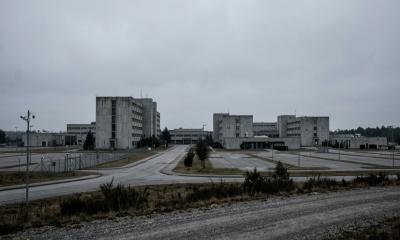
To execute the compliance program, the Australian Border Force will expand operational capacity by deploying 100 additional field officers. These teams are directed to detain or facilitate the departure of roughly 77,000 individuals currently living across the country without active documentation. The Department of Home Affairs will commission 250 specialized detention beds to accommodate detainees, evaluating the repurposing of a former quarantine compound situated in Melbourne. Minister Burke rejected comparisons to aggressive overseas enforcement models, asserting that the strategy focuses on orderly repatriations rather than military-style community sweeps.
The administrative overhaul establishes strict limitations on onshore status modifications, targeting the practice known as visa hopping. Under incoming regulations, individuals entering on tourist visas will be subject to a strict restriction prohibiting new visa applications from within Australian territory. International students will be required to demonstrate upward academic advancement when extending permits, barring candidates from transferring to lower-tier diploma colleges merely to maintain domestic residency. Additional legislation is planned to address backlogs involving non-genuine protection filings intended to delay removal proceedings.
Advocacy groups expressed concern regarding the humanitarian impact of immediate detentions. The Human Rights Law Centre warned that intensified enforcement could drive undocumented laborers deeper into underground economies, preventing mistreated employees from reporting dangerous conditions or wage theft. Addressing political commentary, the governing Labor Party denied claims that the border directives represent an electoral reaction to the surging popularity of the right-wing One Nation Party.
Australia maintains high economic reliance on international students, seasonal working-holiday visitors, and commercial tourism revenues. Nevertheless, federal statistical audits indicate that the undocumented migrant cohort expanded from roughly 64,000 in 2016 to over 77,000 in 2026, even as broader net immigration numbers declined. Federal agencies confirmed that routine inspections and departure management programs will commence nationwide in the coming weeks.