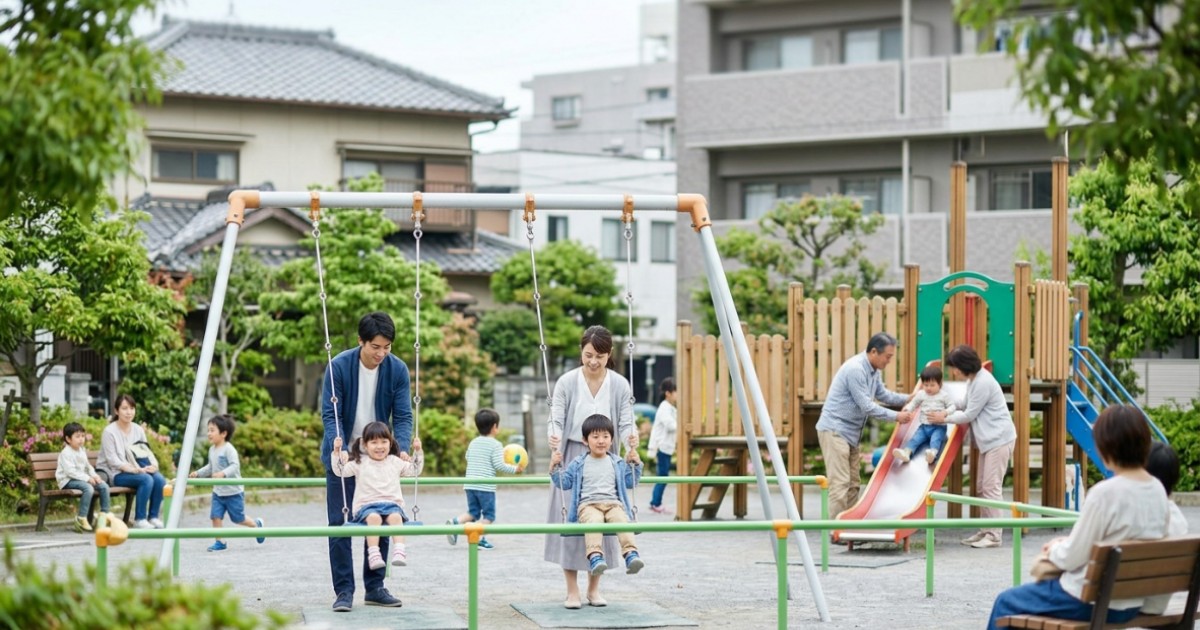
Japan has officially implemented a landmark revision to its Civil Code, allowing divorced couples to share custody of their children. The new law, which took effect on April 1, 2026, marks the end of a decades-old system where only one parent held legal rights after a separation. Before this amendment, Japan was the only G7 nation that did not legally recognize joint custody.The shift redefines family dynamics.
Under the previous system, the parent who physically left with the children often retained sole custody, frequently forcing the other parent out of the child`s life entirely. This resulted in countless parents being cut off from ordinary moments and milestones. The legislative change aims to distribute parental responsibility more evenly, reflecting global standards and the understanding that children benefit from maintaining relationships with both parents.
This transition comes as Japan grapples with a declining birthrate and a rapidly aging population. Policymakers are under pressure to provide better support systems for families and reduce the financial burdens faced by single parents. For many, including those who felt unjustly separated from their children, the new law offers a path to reconnection and a more balanced approach to parental rights.
However, the change has also sparked significant concern regarding domestic safety. Critics and non-profit organizations warn that joint custody might inadvertently force victims of domestic violence or child abuse to maintain contact with their abusers. They argue that individuals suffering from such abuse may find it harder to escape unsafe environments if the courts facilitate continuing contact.
The government has included safeguards, stipulating that if a court is convinced domestic violence or abuse issues existed before the separation, it must mandate sole custody. While these protections exist, survivors and legal experts emphasize that the courts must be rigorous in their assessments to ensure the safety of vulnerable parents and children alike.