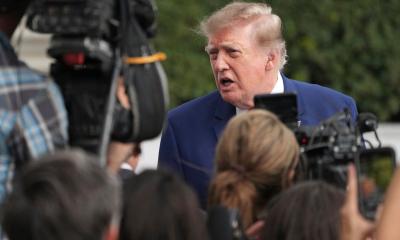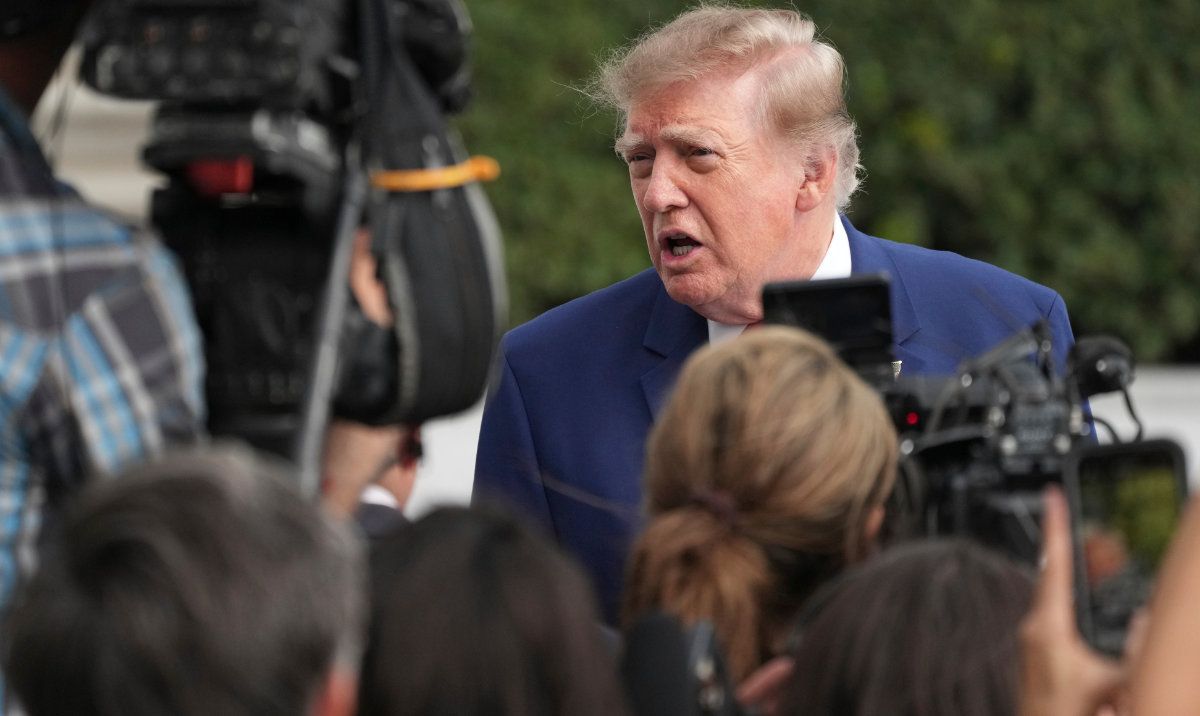
US legislators from both parties expressed anger on Saturday after President Donald Trump abruptly decided to waive impending economic sanctions against Russia. The executive order came just days before the measures were set to take effect, drawing strong condemnation from Capitol Hill.
The legislation, known as the Lindsey Graham Russian Sanctions Act, had passed overwhelmingly in a bipartisan vote. It was designed to impose steep tariffs on nations importing large amounts of Russian energy and to cut off funds for the war in Ukraine. It took nearly a year of persuasion by the late Senator Lindsey Graham to secure Trump’s initial agreement.
Lawmakers criticised the administration for pulling back on the pressure. Republican Senator Rick Scott of Florida told reporters that Russia remains the aggressor and requires maximum economic pressure. Republican Senator Thom Tillis of North Carolina called the decision beyond irresponsible on social media, describing it as capitulating to a Russian dictator.
Democratic leader Chuck Schumer of New York stated that the move gives life support to the Russian economy. Democratic Senator Elizabeth Warren of Massachusetts accused Trump of thumbing his nose at Congress and enabling the ongoing conflict in Ukraine. Ukrainian President Volodymyr Zelensky also expressed hope that the targeted sanctions could be revived as Ukraine faces attacks on its energy infrastructure.
The White House cited national security concerns for waiving the sanctions indefinitely. The decision followed a recent announcement regarding a diesel deal with Russian President Vladimir Putin to import energy and address high gas prices in the US ahead of the November 3 midterm elections. Democratic Representative Gregory Meeks called the deal corrupt and introduced legislation to block it.
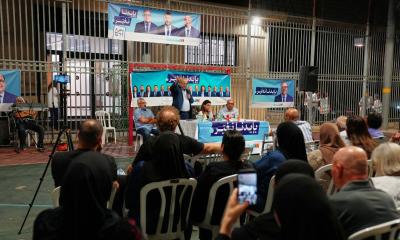
Darline Graham, who was appointed to fill her late brother’s Senate seat and is currently running for election, defended her involvement in passing the bill at a campaign stop. She stated that while she shares goals with the president on lowering fuel prices, she would choose to keep the pressure on Russia because she does not trust Moscow.
Both the House and Senate are currently on recess until after Election Day, leaving lawmakers without an immediate mechanism to challenge the executive action. Skeptics in Congress had previously warned that the administration might not follow the enacted legislation.