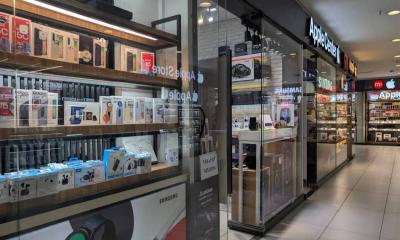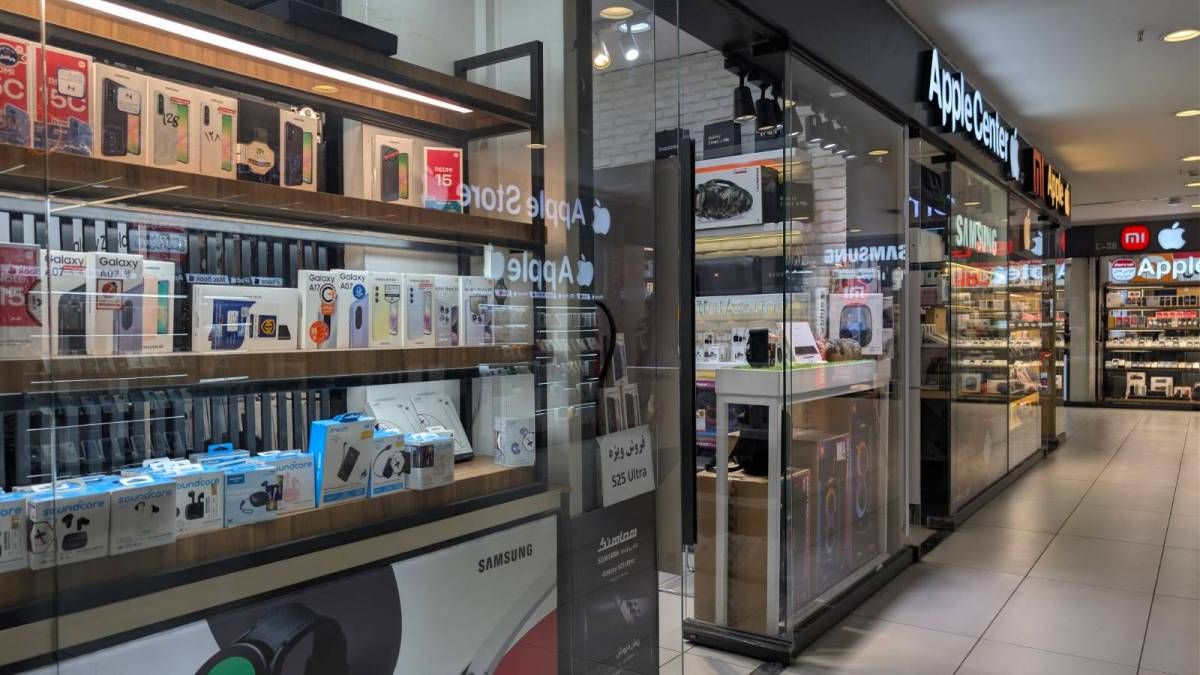
When the latest iPhone lineup was released in the United States on September 18, it took only a couple of days for the new models to go on sale in downtown Tehran.
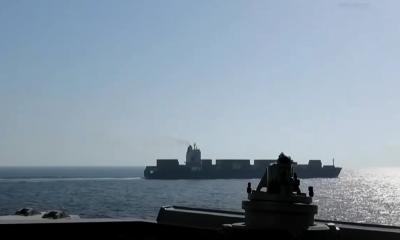
That swift arrival happened despite Apple lacking a physical presence in Iran due to years of international sanctions. An ongoing US naval blockade of Iran’s southern ports has also disrupted the maritime routes through which the bulk of imports previously entered the country.
A phone and accessories trader in Tehran’s Charsou Mall, a major electronics hub, told reporters that these obstacles cannot stop a dedicated vendor. Speaking anonymously for security reasons, he explained that the process of bringing in devices has grown much more complicated, time-consuming and costly.
Many international electronics are typically imported into Iran via Dubai in the United Arab Emirates. However, a nearly eight-month-long war with the United States and Israel has disrupted trade through the Strait of Hormuz. Iran has repeatedly attacked the UAE during the conflict, and the UAE announced a halt to trade, commercial exchanges and financial transactions with Iran on August 19.
Traders subsequently shifted to using airline passengers arriving from Oman to bring in goods. After US sanctions on all Iranian airlines and their service providers took effect in September, few flights landed in the country.
Most phones are now smuggled across the border, according to the Tehran trader. Many shipments go to Sulaimaniyah in the Kurdish region of northern Iraq before entering western Iran by land.
This smuggling route now supplies various electronics in the Iranian market, including laptops, graphics and processing units, PlayStation devices and Starlink terminals. A 15-inch MacBook Air M4 sold in Tehran for the rial equivalent of more than $1,450, which is roughly six percent higher than average retail prices in the UAE. A one-terabyte PlayStation 5 Slim disc-edition console went for about $730, or eleven percent more than US retail prices.
Mobile phones face even steeper hurdles inside the country. Service on imported devices stops working after thirty days unless the owner pays a registration fee to the Iranian government.
Introduced nearly a decade ago to combat smuggling and corruption, import duties vary by device value. The government charges up to six percent for phones worth below 600 euros, up to fifteen percent for models between 600 and 900 euros, and up to thirty percent for phones valued above 900 euros. Additional domestic levies and warranties can push extra charges past half of the total price paid.
Customs chief Foroud Asgari told state media in mid-August that approximately one million phones had been imported during the first five months of the current Iranian year, down from 3.16 million during the same period a year earlier. He stated that the import value of the phones had dropped by approximately seventy percent.
Afsaneh, a 27-year-old teacher from Tehran, said she has considered replacing her phone with a newer model but hesitates upon seeing the prices. She said many of her peers are forced to repair and keep old devices alive because upgrades are out of reach.