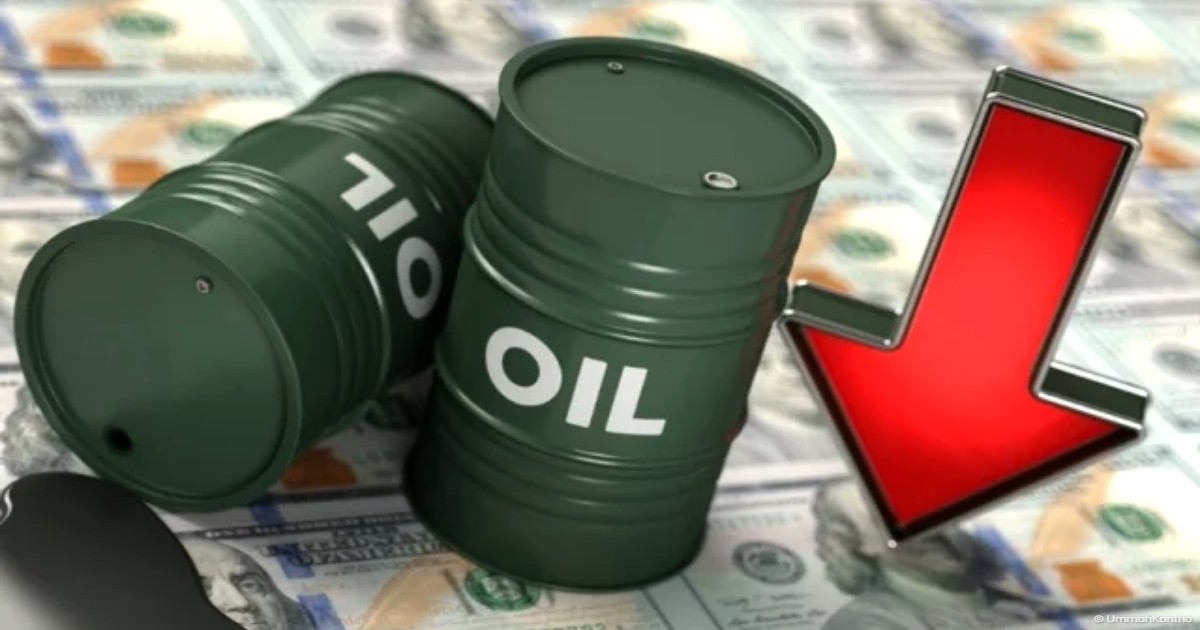
Global oil prices experienced a slight decline on Wednesday as the international market reacted to shifting geopolitical dynamics in the Middle East and upcoming diplomatic high-stakes talks in Beijing. According to Reuters and Al Jazeera, the slight retreat in prices follows a three-day rally, signaling a moment of cautious relief for global energy consumers. Brent crude prices dropped by $1.22 to settle at $106.55 per barrel, while the U.S. West Texas Intermediate (WTI) crude fell by $1.16 to $101.20. Despite this dip, analysts remain concerned as the overall market continues to be characterized by extreme volatility and structural supply risks.
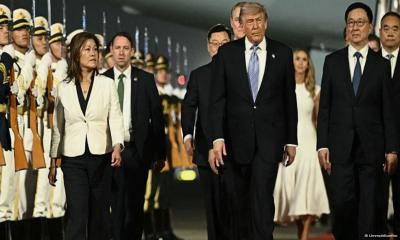
The primary driver behind the current market sentiment is the anticipation of a pivotal meeting between U.S. President Donald Trump and Chinese President Xi Jinping, scheduled for Thursday and Friday in Beijing. Given that China remains the largest buyer of Iranian crude, the outcome of these discussions is expected to significantly influence the flow of global energy supplies. While President Trump recently remarked that he does not necessarily require Chinese assistance to resolve the ongoing conflict with Iran, he acknowledged that a permanent peace deal remains elusive. The current fragile ceasefire, in place since early April, has done little to bring oil prices back below the psychological $100 barrier on a consistent basis.
Market instability has its roots in the military strikes carried out by the United States and Israel against Iran in late February. In response, Tehran has effectively tightened its grip on the Strait of Hormuz, a critical chokepoint through which approximately 20 percent of the world’s liquid fuel and LNG are transported. According to Al Jazeera, any perceived threat to the security of this waterway triggers immediate price surges. Experts from the Eurasia Group have warned that as long as production levels remain suppressed and logistical disruptions persist, oil prices are unlikely to drop below $80 per barrel for the remainder of the year.
The persistence of high energy costs is already leaving a mark on the United States economy. Rising fuel prices have contributed to an inflation rate that reached a three-year high in April, placing immense pressure on American households. Financial analysts are now suggesting that the Federal Reserve may be forced to postpone any planned interest rate cuts to combat this inflationary trend. Furthermore, data indicating a fourth consecutive weekly decline in U.S. crude inventories has added another layer of uncertainty. For now, the global economy remains tethered to the outcome of diplomatic maneuvers in Beijing and the precarious security situation in the Persian Gulf.