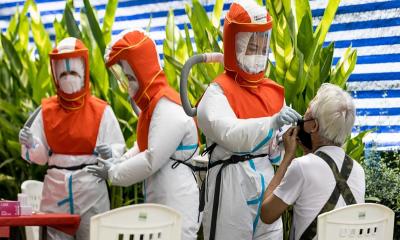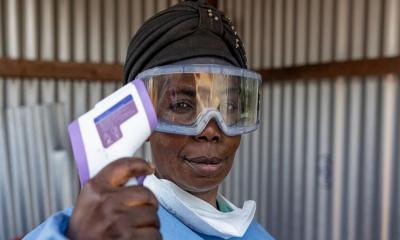
The World Health Organization has raised the public health risk from the current Ebola outbreak in the Democratic Republic of Congo from "high" to "very high" at the national level. Speaking at a news briefing in Geneva on Friday, WHO chief Dr. Tedros Adhanom Ghebreyesus announced that while regional risk is now considered high, the global threat level remains low. The outbreak involves a rare species of the virus known as Bundibugyo, which currently has no proven vaccine or treatment.
This particular strain is highly lethal, historically killing approximately one-third of all individuals it infects.There are now nearly 750 suspected Ebola cases and 177 suspected deaths across the country.
Tedros clarified during the briefing that health authorities have officially confirmed 82 cases in the Democratic Republic of Congo, resulting in seven confirmed fatalities. The situation in neighboring Uganda, which recorded two confirmed cases and one death, remains stable according to international monitors. Both individuals identified in Uganda had recently traveled from the affected regions of the Congo. Ebola viruses typically circulate among wildlife populations, particularly fruit bats, before crossing over to humans through the handling or consumption of infected bushmeat.
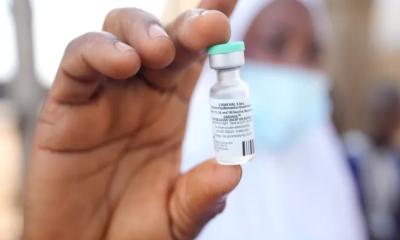
In response to the escalating crisis, scientists at Oxford University in the United Kingdom are rapidly developing a new vaccine that could enter clinical trials within two to three months. The experimental shot utilizes the same vector technology developed for the AstraZeneca Covid-19 vaccine, with active animal testing already underway in Oxford labs. The Serum Institute of India has been positioned to handle mass production once medical-grade materials are secured. A separate experimental vaccine is also under evaluation but will require an estimated six to nine months before doses are ready for testing.
Dr. Vasee Moorthy, a research and development adviser for the organization, described the secondary candidate as highly promising for long-term management. He noted that its development aims to mirror the efficacy of Ervebo, an established vaccine used against the more common Zaire species of Ebola. Recurrent outbreaks in the region continue to test the limits of local healthcare infrastructure as international teams deploy to reinforce containment zones.