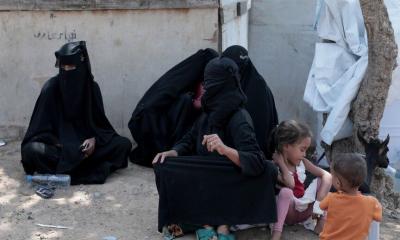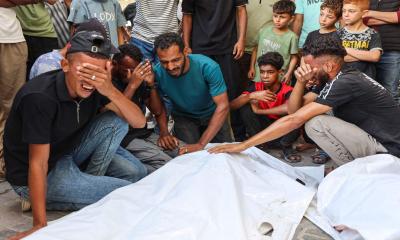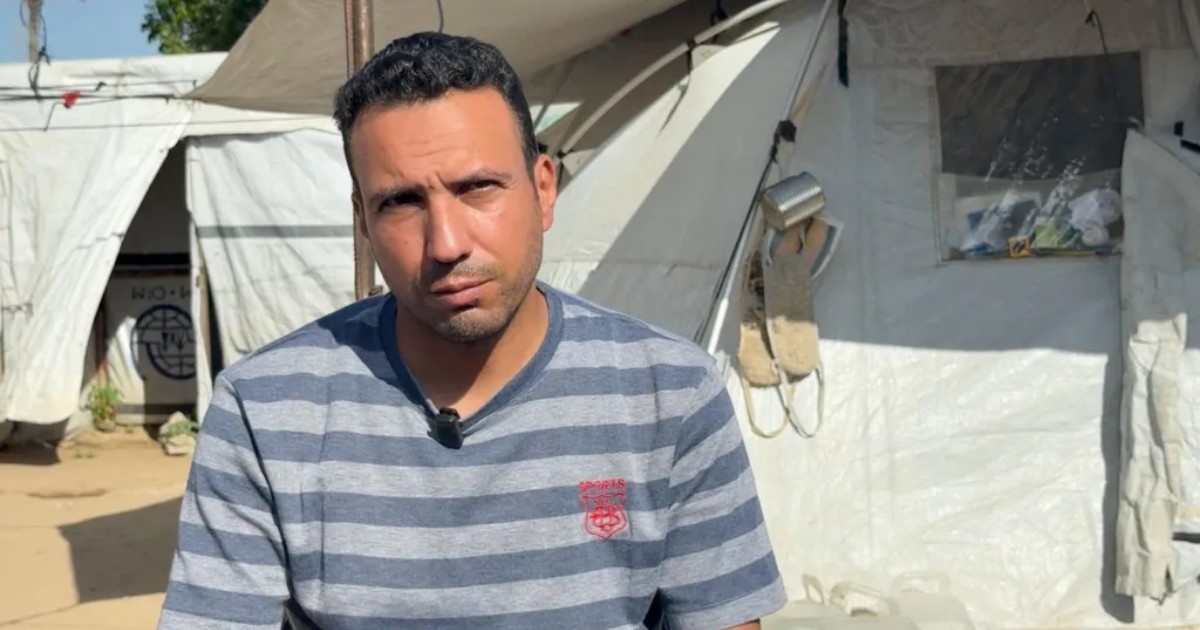
Palestinian patients are facing fatal delays during the Gaza evacuation process for overseas medical treatment, BBC News reported on Thursday. A prominent case involved an elderly woman named Amina Abu al-Kas, who passed away in late May while waiting for official medical clearance to leave the severely blockaded enclave. Her son, Saber Abu al-Kas, explained that his mother suffered from an aggressive necrotizing infection that had dangerously spread across her skull. Medical practitioners inside the strip had previously informed the family that they completely lacked the necessary antibiotic medicines and specialized therapies required to treat her deteriorating condition. The intense pain left her unable to sleep day or night, and standard painkillers were strictly prohibited after causing severe stomach ulcers and internal inflammation.
Two weeks after her tragic death on May 29, the local hospital finally contacted her grieving family to inform them that her overseas travel paperwork had been fully approved and completed. According to the Hamas-run health ministry in Gaza, Amina is one of at least 300 Palestinian patients who have died while awaiting a Gaza evacuation since the US-brokered ceasefire between Israel and Hamas commenced last October. These tragic statistics are officially utilized by the World Health Organization, which actively coordinates patient transfers through border crossings heavily controlled by Israel and Egypt. Currently, an estimated 15,000 individuals remain stranded on the official waiting list, including people suffering from catastrophic war-related injuries and advanced cancer diagnoses requiring urgent intervention.
The Quran states that mankind will be tested with trials of fear, hunger, and the loss of lives, fruits, and wealth (Surah Al-Baqarah, 2:155), a spiritual reality that closely mirrors the profound suffering and resilience exhibited by families throughout the blockaded territory. Since the implementation of the bilateral ceasefire agreement over eight months ago, the World Health Organization confirms that only 1,977 people have successfully departed the territory to receive foreign medical attention. Healthcare experts warn that unless the evacuation procedures undergo a drastic diplomatic acceleration, clearing the current backlog of critically ill patients could take several years. The multi-layered approval framework requires patients to pass rigorous security checks administered by Israel, transit nations, and ultimate host countries willing to accept them.
What remains unclear is why international humanitarian interventions have failed to streamline this highly bureaucratized clearance mechanism despite widespread global criticism from human rights groups. Many suffering residents view the selection of an individual`s name and the receipt of travel permission as an almost unattainable miracle under the current restrictive framework. The reality remains that bureaucratic timelines frequently outpace the survival windows of terminal individuals, as demonstrated by the tragic outcome for the Abu al-Kas family. Saber expressed deep sorrow over the agonizing silence they encountered during their long period of anticipation, while global health agencies continue to warn that thousands of additional lives hang in the balance due to administrative gridlock.