Nur Sadek once expected to become an Islamic scholar in his western Myanmar village. His family belongs to the Rohingya, a Muslim ethnic minority in Rakhine State that shares the region with Buddhists and a smaller Hindu population. Ethnic and religious divisions have long shaped this part of Myanmar.
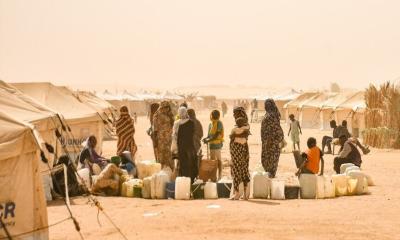
Sadek fled across the border in 2017 after soldiers opened fire on his village and bullets struck the tin roof of his home. He left with nothing and never returned. Around 700,000 Rohingya escaped a military crackdown that year into Bangladesh, according to the UNHCR. Others sought refuge across Asia in countries such as India, Indonesia, Thailand, and Malaysia.
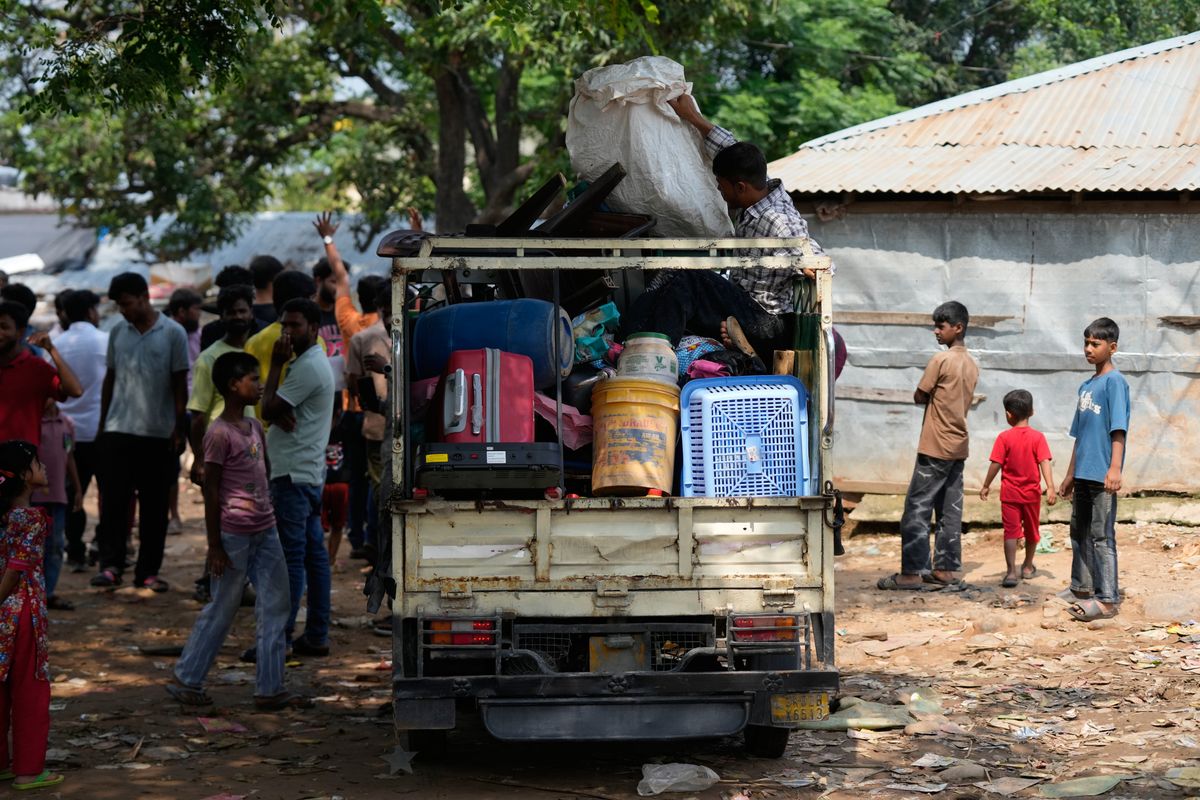
By February 2026, about 126,000 Rohingya were registered with the UN refugee agency in Malaysia. The Southeast Asian nation does not legally recognise refugees, which leaves them vulnerable to detention. Beyond immigration status, many Rohingya struggle to find a sense of belonging and to practice their faith freely.
The religious freedom advocacy group CSW stated that Rohingya refugees in Malaysia cannot officially register their own places of worship. Most pray at local mosques, but some encounter discrimination or avoid them due to the fear of immigration detention. Religious solidarity is often overtaken by social and cultural differences between the two groups, according to CSW.
Nurul Hakim left Myanmar in 2010 after years of escalating violence and restrictions on religious gatherings, mosque access, and Islamic education. While Hakim can pray freely now and feels welcomed by local Malay faith leaders, he has heard of other Rohingya barred from local mosques. Rohingya Rights Response, an organisation co-founded by Sadek, has also documented restrictions on religious practices, including banners declaring Rohingya unwelcome outside mosques in certain neighbourhoods.
Even where access exists, worship differs from life in Myanmar. Most Rohingya do not have their own imams leading prayers because local mosques are run by Malay imams. Hakim misses praying alongside his neighbours and villagers from back home.
Other refugees face immediate obstacles rooted in their lack of legal status. Mohammed Rafique fled Myanmar in 2009 and now earns 30 ringgit, roughly $7.50, a day collecting scrap materials to pay for medication. He mostly prays at home and rarely visits a mosque because he worries about encountering immigration authorities. He lost his wife while they were separated in Bangladesh and has been unable to visit her grave, a pain Sadek shares after losing his mother in Bangladesh.
Sadek’s organisation advocates for safety, fair wages, access to healthcare, and education while also tracking harassment by social media content creators who mock and demean Rohingya refugees.
For Zahidah Begum, who fled Myanmar in 2013, the daily struggle includes an ailing husband and children unable to attend formal classes. Her father was an imam in Myanmar who taught Islamic studies and introduced her to the Qur’an. During a military raid on her village, her father broke his leg while trying to escape arrest, fled to Bangladesh without receiving medical treatment, and died after the injury became infected. Begum continues to pass those religious lessons on to her two daughters. Even here, I remain connected to my religion, she said.