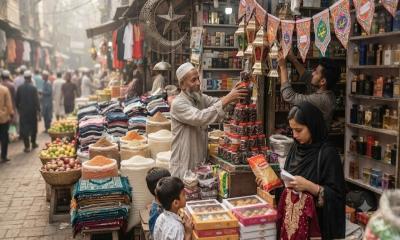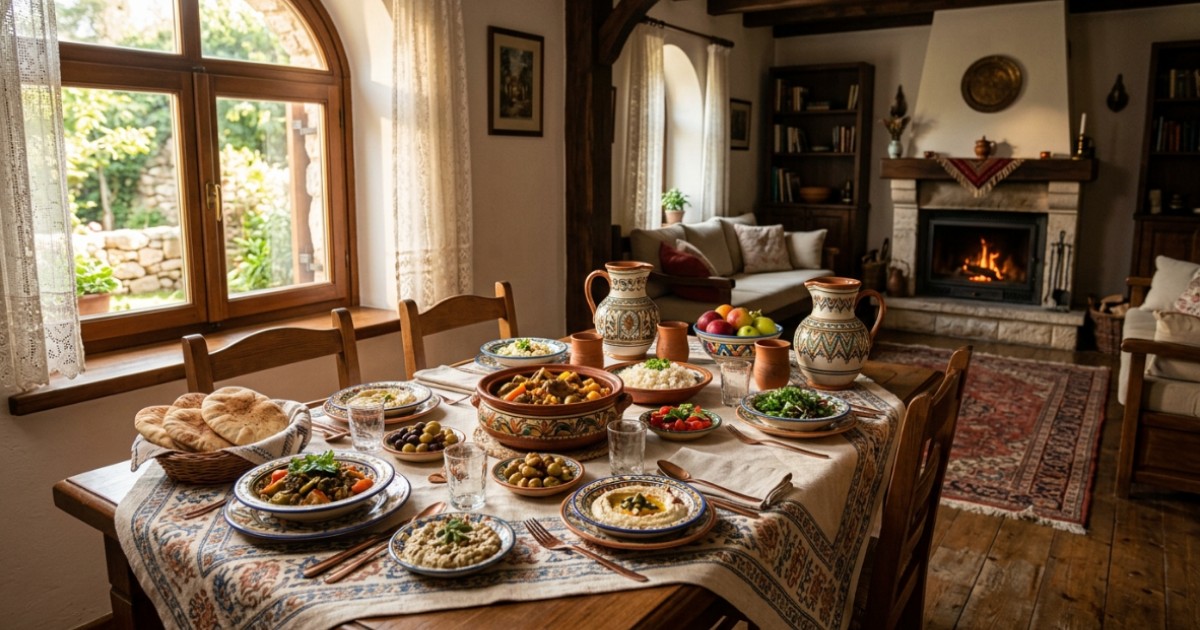
Within the Islamic social framework, festive occasions like Eid represent more than mere celebrations of joy, brotherhood, and affection. These sacred moments serve as an ideal mechanism to reinforce communal bonds and revitalize relationships among families, neighbors, and long-lost companions. The elegant tradition of welcoming visitors with warmth and genuine honor remains a defining characteristic of Islamic culture, reflecting deep spiritual values rather than mere customary politeness.The strategic rewards of hospitality in Islam guarantee comprehensive material abundance alongside eternal salvation.
In an authentic narration found in Sahih al-Bukhari (6018), the Prophet Muhammad explicitly linked institutional hospitality directly to the core integrity of a believer`s internal conviction. He declared that whoever truly believes in Allah and the Final Day must maintain excellent relations with his neighbor, honor his guest generously, and speak virtuous words or maintain a dignified silence. This foundational standard indicates that a practicing Muslim should never view the sudden arrival of a visitor as an economic burden or a domestic disruption. Historically, during the intense initial moments of revelation, Ummah-mother Khadijah comforted the Prophet by citing his systemic hospitality as proof that the Creator would never abandon him, as recorded in Sahih Muslim (293).Faith Manifestation and Lessons from the Madinan Era
Following the historic migration to Medina, the mechanical foundations of the newly established Islamic society heavily prioritized the active feeding and nurturing of the public. According to Sunan al-Tirmidhi (2485), the first public address delivered by the Prophet instructed citizens to spread peace systematically, feed individuals altruistically, and perform nocturnal prayers while the world slept to secure safe entry into Paradise. Furthermore, classical narrations from Ali ibn Abi Talib describe elite, translucent palaces constructed within the heavenly realm where the interior and exterior remain completely visible. The prophetic commentary clarifies that these architectural marvels are reserved exclusively for individuals who maintain soft, honorable speech and consistently provide nourishment to those in need.The Sacrifices of the Ansar and Quranic Validation
The ultimate standard of selfless hospitality was achieved by an Ansar household during the prophetic era, earning eternal validation within the textual revelation of the Holy Quran. As detailed in Sahih al-Bukhari (3798), a traveling companion arrived seeking shelter when the host family possessed only a single portion of food reserved strictly for their young children. The resourceful companion Abu Talha and his wife deliberately put their infants to sleep, extinguished their domestic lamp under the pretext of fixing it, and pretended to consume food in the darkness so their guest could eat to his satisfaction. This extreme display of altruism prompted the immediate revelation of Surah Al-Hashr, verse 9, which states that they give others preference over themselves even though they are facing severe poverty, and whoever is saved from internal selfishness will attain ultimate success.
In a modern, highly mechanical corporate society driven by intense materialism, vulnerable individuals and travelers frequently experience profound isolation and domestic neglect. Allocating quality time to sit with visitors, listening intently to their concerns, providing optimal hospitality, and maintaining an affectionate posture constitutes an elevated act of worship. Just as dedicated maternal service unlocks spiritual ascension, hosting individuals with pure intentions infuses a believer`s daily provisions with immense blessings and divine security. Consequently, preserving this foundational prophetic legacy remains an essential requirement for achieving holistic prosperity across both worldly and otherworldly dimensions.