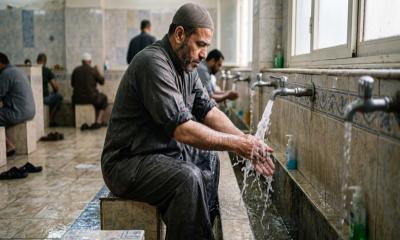
Understanding the foundations of Islamic jurisprudence (Fiqh) and the significance of Salah (prayer) is essential for every Muslim. In a recent session at the Alfurqan Islamic Centre in Manchester, Sheikh Mohamed Shaibani provided a comprehensive analysis of these topics. He emphasized that Fiqh is not merely a set of rules but a spiritual framework designed to connect the believer with the Creator
Sheikh Shaibani clarified the common misconception about Madhahib (Schools of Thought). He explained that a Madhab is a methodology for interpreting the Quran and Sunnah, rather than a separate religion. The differences among scholars originated from the Sahaba (companions) themselves. These differences occurred due to varying levels of exposure to the Prophet`s (saw) sayings and the inherent linguistic depths of the Arabic language, which allow for multiple interpretations of a single word.
A key highlight of the lecture was the importance of unity despite diversity. The Sheikh cited the example of Abdullah ibn Masud (ra), who chose to pray behind Uthman (ra) in Mina, even though he disagreed with the decision not to shorten the prayer.This serves as a profound lesson for modern Muslims to respect scholarly differences and avoid causing division within the Ummah. For laypeople, he recommended following a trusted local scholar or the dominant Madhab of their community to ensure consistency in practice.
On the topic of Salah, the Sheikh described it as the lifeline of the soul. Just as the body requires food for energy, the soul requires its five daily meals of prayer to remain spiritually healthy.He recounted how the five daily prayers were ordained during the miraculous night journey (Isra and Mi`raj), and how the Angel Jibril (as) personally taught the Prophet (saw) the specific prayer times over two days.
For Muslims living in non-Muslim majority countries, the Sheikh urged prioritizing prayer at work or school. He noted that Islam is simple and does not require a formal mosque for prayer—any clean ground will suffice. Regarding the status of someone who misses prayer out of laziness, the majority of scholars (Hanafi, Maliki, Shafi`i) agree that such an individual remains a Muslim but is committing a grave major sin. He particularly warned against the habit of intentionally missing Fajr or praying it after sunrise, which is considered a significant transgression.
In conclusion, Sheikh Shaibani`s lesson serves as a reminder to focus on the essence of worship and maintain mutual respect across different scholarly interpretations