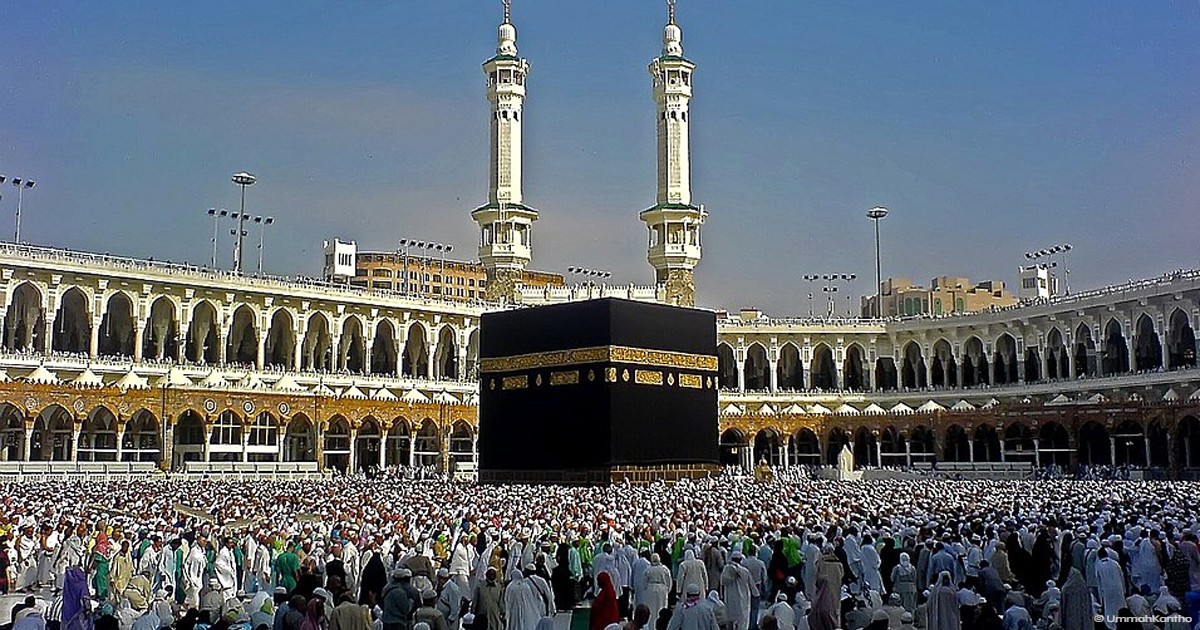
Hajj and Umrah are among the most significant acts of worship in Islam, built upon precise rules and spiritual discipline. Given the physical demands and the length of the journey, it is not uncommon for pilgrims to make unintentional mistakes or oversights. Islamic jurisprudence recognizes these human limitations and provides a system of expiation, known as Kaffara or penalties, to ensure the sanctity and validity of the pilgrimage. According to Islamic scholars, understanding these rules of "fines" is a duty for every pilgrim to keep their worship free from irreversible errors. Generally, mistakes during the pilgrimage fall into three categories: violating Ihram restrictions, failing to perform Fard or Wajib acts, and disrespecting the sanctity of the Haram.
Once a believer enters the state of Ihram, several mundane activities become prohibited to foster a state of complete devotion. Violating dress codes is a frequent area where penalties are incurred. For men, wearing sewn garments is strictly forbidden in Ihram. If a person wears such clothing for twelve continuous hours or more, they are required to offer a "Dam," which involves sacrificing a goat or sheep. If the duration is less than twelve hours, the expiation is reduced to the amount of Sadaqatul Fitr. Similar rules apply to covering the head or face. The use of perfumes, scented soaps, or even wet tissues can also trigger a penalty depending on the extent and duration of use, often requiring a Dam for significant application or Sadaqah for minor instances.
Ritual errors regarding the essential components of Hajj and Umrah also carry specific consequences. For instance, performing the Tawaf of Umrah without Wudu or in a state of ritual impurity requires a Dam. However, if the mandatory Tawaf al-Ziyarah of Hajj is performed in a state of major ritual impurity, the penalty escalates to a "Badana," which necessitates the sacrifice of a cow or a camel. This heavy penalty can be waived if the pilgrim repeats the Tawaf in a state of purity before sunset on the 12th of Dhul-Hijjah. Other common errors include neglecting the stoning of the pillars (Rami) or failing to follow the prescribed sequence of rituals, such as shaving the head before stoning or performing the sacrifice in the wrong order.
The method and location of paying these penalties are strictly governed by Shariah. There are three primary types of expiation: Dam, which is the sacrifice of a small animal; Badana, the sacrifice of a large animal; and Sadaqah, which is a monetary donation to the poor. Both Dam and Badana must be performed within the boundaries of the Haram in Mecca. The meat from these sacrifices must be distributed exclusively to the poor within the Haram area, and the pilgrim or their family members are prohibited from consuming it. Sadaqah, however, can be distributed to the needy in one`s home country or any other region. For those who violate rules due to unavoidable health issues, there are alternative options such as fasting for three days or feeding six poor people.
Pilgrims are encouraged to focus on the spiritual depth of their journey while remaining vigilant about the technical requirements of the rituals. Islamic experts point out that while a penalty must be paid for both intentional and unintentional mistakes, no sin is recorded for errors made out of ignorance or forgetfulness. If multiple errors of the same type occur before a penalty is paid, a single expiation may suffice, but distinct types of mistakes require separate penalties. It is highly recommended that pilgrims consult reliable religious texts like Kitabul Manasek or seek advice from qualified scholars instead of acting on mere suspicion. Ultimately, correcting these faults promptly ensures that the pilgrimage is accepted as a "Hajj Mabrur," an honored and flawless journey to the House of Allah