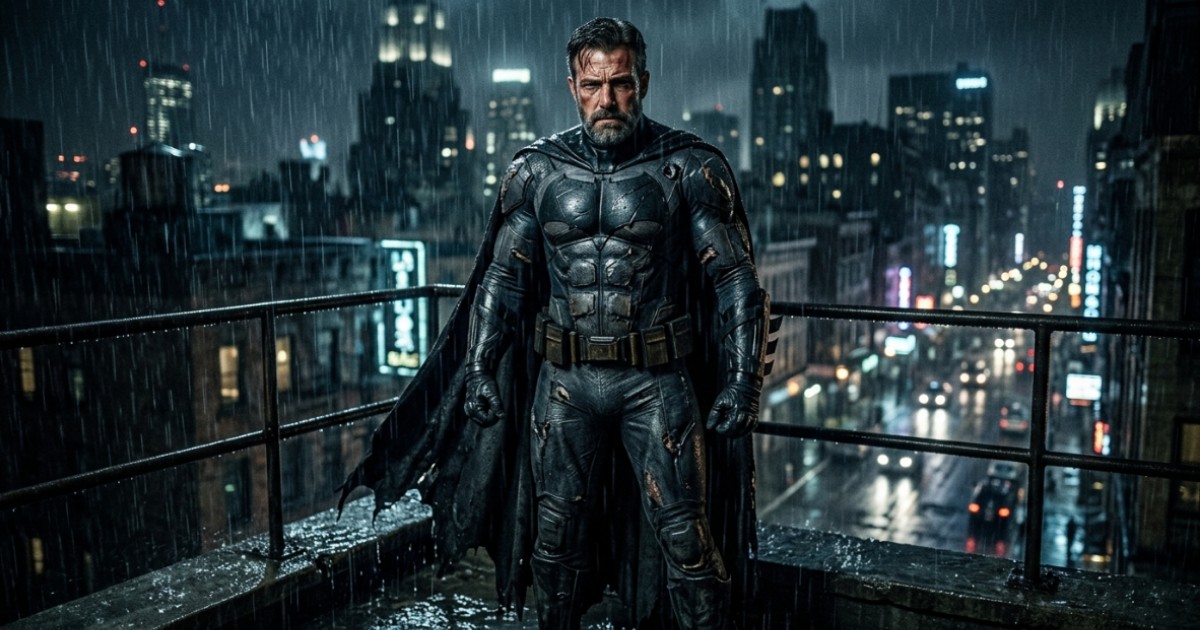
First published four decades ago in 1986, Frank Miller`s legendary graphic novel The Dark Knight Returns fundamentally transformed the character of Batman from a campy, comical figure into a brutal, ultra-violent vigilante. As the landmark publication reaches its 40th anniversary in 2026, retrospective analyses confirm how a single comic book redefined an entire industry, altering the trajectory of superhero storytelling and heavily influencing modern Hollywood cinema, according to Reuters and BBC News. The artistic shockwaves generated by the four-issue miniseries continue to resonate across global pop culture today.
For a long time, the general public viewed Batman strictly through the lens of the iconic 1960s television show and subsequent film starring Adam West. The character was widely perceived as a deadpan do-gooder who wore underpants over his tights and carried a can of shark repellent spray. While DC Comics occasionally attempted to depict him as a more serious figure in their regular issues, the average person still associated the Caped Crusader with self-mocking comedy and a catchy, upbeat theme song. The Dark Knight Returns completely shattered that lighthearted perception.
Frank Miller approached the project with a revolutionary philosophy. He sought to utilize the traditional machinery and iconography of a children`s story to tell a complex narrative aimed exclusively at an older audience. Recognizing that the real world lacks actual superheroes, Miller focused on the metaphorical weight of the characters. He explored themes of unchecked military power, political corruption, and the inherent human desire to resist overwhelming force. Before this project, Miller had already made a significant mark on the industry with his gritty, acclaimed run on Marvel`s Daredevil series in the early 1980s.
When DC Comics commissioned Miller to breathe new life into Batman, the character was considered somewhat emasculated and had fallen to second-class status within the broader comic book hierarchy. Miller`s solution was to shift the timeline into the near future. He reimagined Bruce Wayne as a bitter, middle-aged man who had retired from crime-fighting a decade earlier. By making Wayne older, more heavily muscled, and deeply cynical, Miller successfully resurrected the hero with a raw intensity that mirrored cinematic anti-heroes of the era, such as Dirty Harry.
The setting of Gotham City was drastically overhauled to match this darker tone. The fictional metropolis had crumbled into an apocalyptic urban hellhole overrun by murderous gangs. Miller drew direct inspiration from his own life experiences, having relocated from idyllic rural Vermont to New York City during the 1970s. While he loved his new metropolitan home, he witnessed a city in serious decay, and he channeled that stark metropolitan anxiety directly into the pages of his new comic series.
Consequently, the Batman depicted in The Dark Knight Returns was no longer a gentlemanly sleuth operating within the bounds of traditional law enforcement. Instead, he emerged as an intimidating, heavily armored vigilante who took grim satisfaction in physically breaking the bones of dangerous criminals. The political landscape of the comic was equally aggressive. Superman was controversially reimagined as a government stooge loyal to a president heavily resembling Ronald Reagan, while the Joker was depicted as a monstrous, irredeemable sadist. Miller effectively dragged the medium back toward its gritty pulp fiction roots.
Structurally, the publication was an absolute behemoth. In 1986, the average superhero comic consisted of just 22 pages, typically featuring a relaxed grid of six or seven panels per page. Every issue of The Dark Knight Returns boasted 46 pages, with Miller frequently dividing his layouts into an incredibly dense 16-panel grid. Collaborating closely with inker Klaus Janson and colorist Lynn Varley, Miller created a rhythmic, claustrophobic visual experience designed to keep readers constantly on edge.
What remains somewhat unclear is the exact level of institutional resistance Miller initially faced from traditionalist editors at DC Comics before the first issue went to print. However, once published, the debate was immediately settled by unprecedented financial success. The sales figures skyrocketed with every subsequent issue, creating massive industry-wide panic regarding deadlines, but ultimately proving that a massive adult market existed for serious comic book literature.
The legacy of Miller`s masterpiece extends far beyond the printed page, permanently altering the DNA of the film industry. Every single modern Batman film, beginning with Tim Burton`s dark 1989 blockbuster, has borrowed heavily from the tough, noirish style established in The Dark Knight Returns. Christopher Nolan`s legendary film trilogy adopted its naming convention and thematic weight from the book, while Zack Snyder`s Batman v Superman: Dawn of Justice lifted specific visual sequences directly from Miller`s panels. The current cinematic understanding that superhero stories can carry intense psychological depth and appeal to mature audiences undeniably traces its roots back to this singular, monumental work.