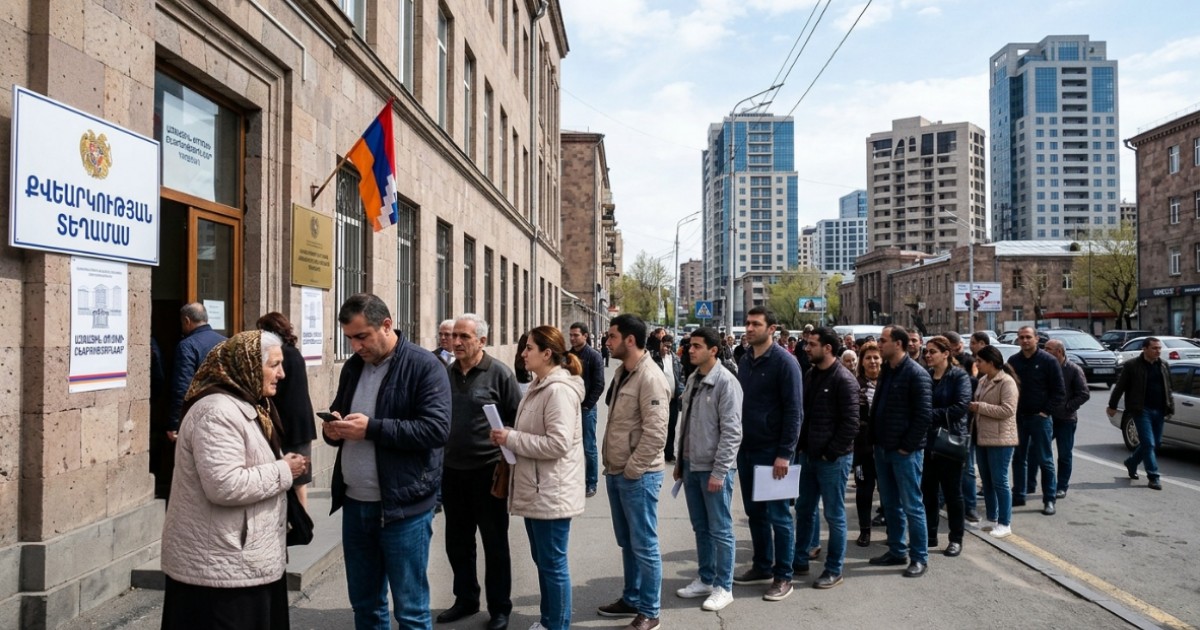
Armenians are heading to the polls today in a pivotal election that could define the country`s geopolitical trajectory. The vote presents a stark choice between the pro-Western aspirations of Prime Minister Nikol Pashinyan and a potential return to the traditional alliance with Russia. According to BBC News, the small South Caucasus nation of three million people is currently navigating immense economic pressure from Moscow while attempting to formalize ties with the West.
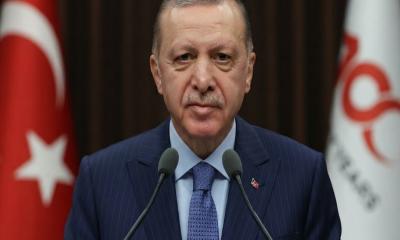
Since ascending to power in 2018, Prime Minister Pashinyan has consistently steered Armenia away from Russian influence. His government has initiated the process for potential European Union accession and accelerated a peace process with neighboring Azerbaijan, backed by United States mediation. While these moves have garnered significant international recognition, they have come at a heavy cost to his domestic standing. His approval ratings have dropped from 54 percent in 2021 to approximately 30 percent today.
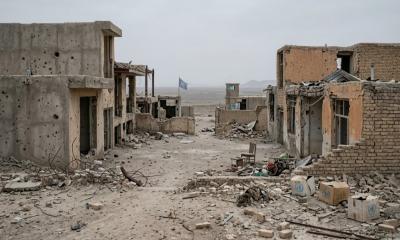
The primary driver of this dissatisfaction is the loss of Nagorno-Karabakh. When Azerbaijan seized the mountainous enclave by force in 2023, it displaced roughly 100,000 ethnic Armenians. Critics argue that Pashinyan made too many concessions in his pursuit of a peace deal, including his refusal to actively campaign for the release of former Nagorno-Karabakh leaders currently jailed in Azerbaijan. Public opinion on the peace deal remains deeply polarized, with one recent survey indicating 44 percent support compared to 41 percent opposition.
Pashinyan faces a fractured but vocal opposition. His main challenger is billionaire Samvel Karapetyan, who built his fortune in Russia. Karapetyan is currently under house arrest on charges of plotting to overthrow the government and is managing his campaign through surrogates. Opposition groups, including the Armenia Alliance, argue that restoring deep military and economic ties with Moscow is the only path to national security. However, the lack of a unified opposition front may work in Pashinyan`s favor.
The election is unfolding under the shadow of heavy economic pressure from Moscow. Last month, Vladimir Putin outlined the economic consequences Armenia would face if it deepened ties with the West, specifically comparing the situation to the lead-up to the crisis in Ukraine. Following this rhetoric, Russia implemented tangible bans on the export of Armenian flowers, mineral water, cognac, and fresh produce. Russia remains Armenia`s largest trading partner, accounting for 36 percent of its foreign trade as of 2025.
Haykaz Fanyan, an analyst at the Armenian Centre for Socio-Economic Studies, believes these measures are a direct attempt by Moscow to influence the voting outcome. Despite this, Armenia has significantly reduced its reliance on Russian military hardware. Data indicates that approximately 95 percent of Armenia`s current military imports are sourced from India, France, China, and other international partners. The results of today`s vote will signal whether the public chooses to continue this strategic diversification or revert to a Russia-centered security framework.