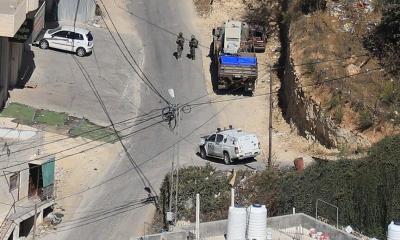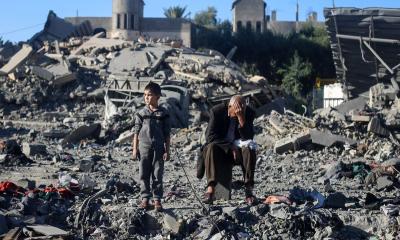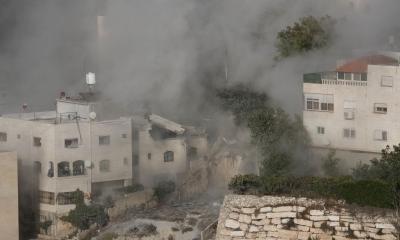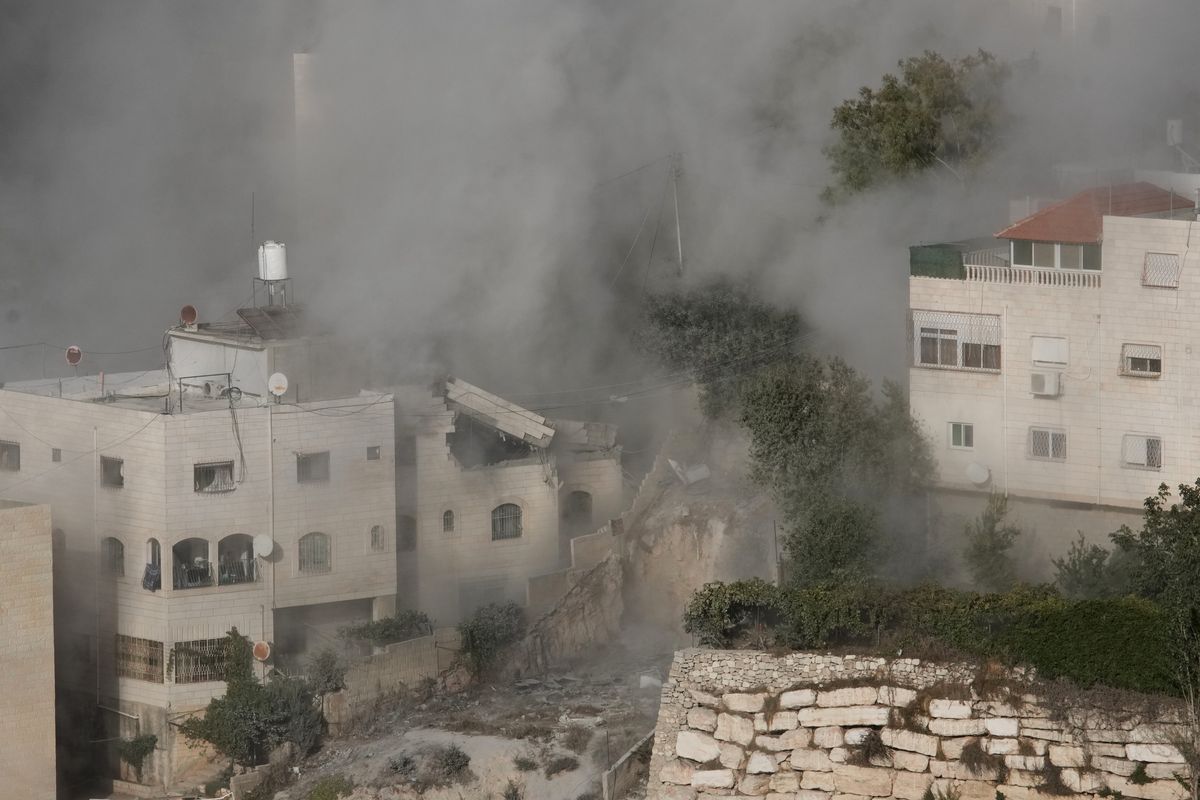
Israel demolished the homes of two gunmen in the occupied West Bank city of Hebron on Friday. The assailants had killed two Israeli soldiers at a checkpoint the previous week.
Prime Minister Benjamin Netanyahu ordered a large-scale military operation near the checkpoint after the October 23 attack. Both gunmen were killed during the incident.
Palestinian officials accused Netanyahu of using the operation to drum up support ahead of a general election in Israel on Tuesday. The Israeli government maintained that the offensive was a direct response to the attack on its soldiers.
The Israeli military stated it would continue to operate proactively and offensively to thwart attacks in the West Bank and protect residents. The demolished properties had been occupied by the wives and children of the gunmen before troops forced them to leave.
Local officials reported that the military has also destroyed other homes, shops, roads and factories in Hebron since the checkpoint attack. The exact scale of these demolitions is unclear.
Authorities have closed most entrances to the city, severely curtailing freedom of movement for Palestinians, including people requiring urgent medical attention.
The operation has forcibly displaced over 3,000 Palestinians. United Nations human rights chief Volker Turk warned this week that the displacement raised grave concerns regarding the unnecessary and disproportionate use of force.
Turk added that threats to empty and erase entire neighbourhoods raise serious concerns of ethnic cleansing. Netanyahu heads a right-wing coalition that has presided over a rapid expansion of settlements, which are deemed illegal by United Nations bodies and most countries, though Israel disputes this position.
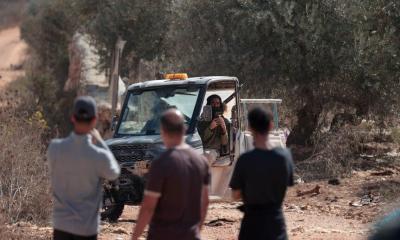
Militant settler violence against Palestinians has also surged under the current government. In Kafr Malik near Ramallah on Friday, witnesses documented militant Israeli settlers shoving Palestinians and preventing farmers from harvesting their olives while soldiers stood by.
The military stated it responded to reports from settlers that Palestinians were throwing stones, leading to the arrest of two Palestinians. The military statement did not address reports of settlers attacking Palestinians, and a witness present during the incident did not observe Palestinians throwing stones.
Attacks consistently surge during the Palestinian olive harvest, which runs from late September until November. The Israeli rights group Yesh Din recorded at least 135 physical attacks on the olive harvest as of October 23.