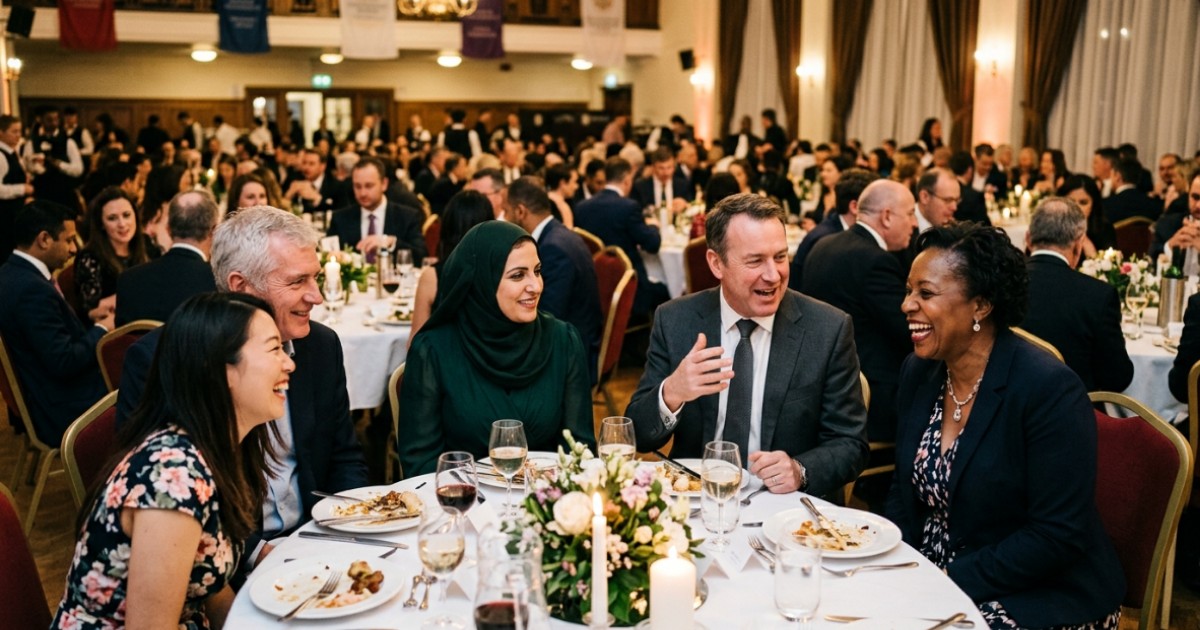
A series of massive banquets, known as "banquets géants," have triggered a fresh wave of political controversy across France. According to reports from the BBC, the events organized by a company called Le Canon Français have drawn thousands of attendees in provincial towns, including a recent gathering in Colmar that hosted three-and-a-half thousand people. However, the radical left party La France Insoumise (LFI) has condemned the events, alleging they foster an environment of exclusion.
LFI claims to have evidence of racist chanting and mistreatment of immigrant staff during these gatherings. With pork frequently featuring on the menu, critics argue that the events are designed to exclude Muslims and vegetarians. The controversy has been further fueled by concerns over the financial backing of the events. Critics point to the involvement of billionaire entrepreneur Pierre-Edouard Stérin, who is known for funding right-wing think tanks that advocate for curbing immigration, restricting abortion access, and promoting France`s Christian heritage.
Emma Fourreau, an LFI member of the European Parliament, alleged that the organizers share a political ecosystem aimed at bringing the far right to power. She stated that the acceptance of Stérin’s investment serves as evidence of an underlying political motivation behind what is marketed as a celebration of local gastronomy and camaraderie.
The organizers have dismissed these accusations as baseless. At the recent event in Colmar, participants noted that the primary focus remains on the atmosphere, local food, and music. The management reiterated that their charter requires all diners to behave with respect and decorum. While many attendees, mostly in their 20s and 30s, expressed that they were there simply to enjoy the company of friends and the festivities, the event highlights a deepening cultural divide in French society. According to BBC reports, the polarization surrounding traditional French identity and its role in public life continues to be a contentious issue in the country’s political discourse.