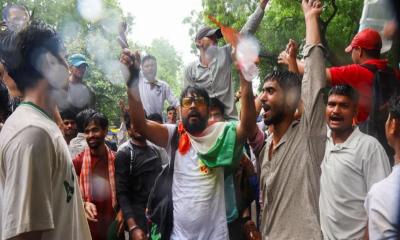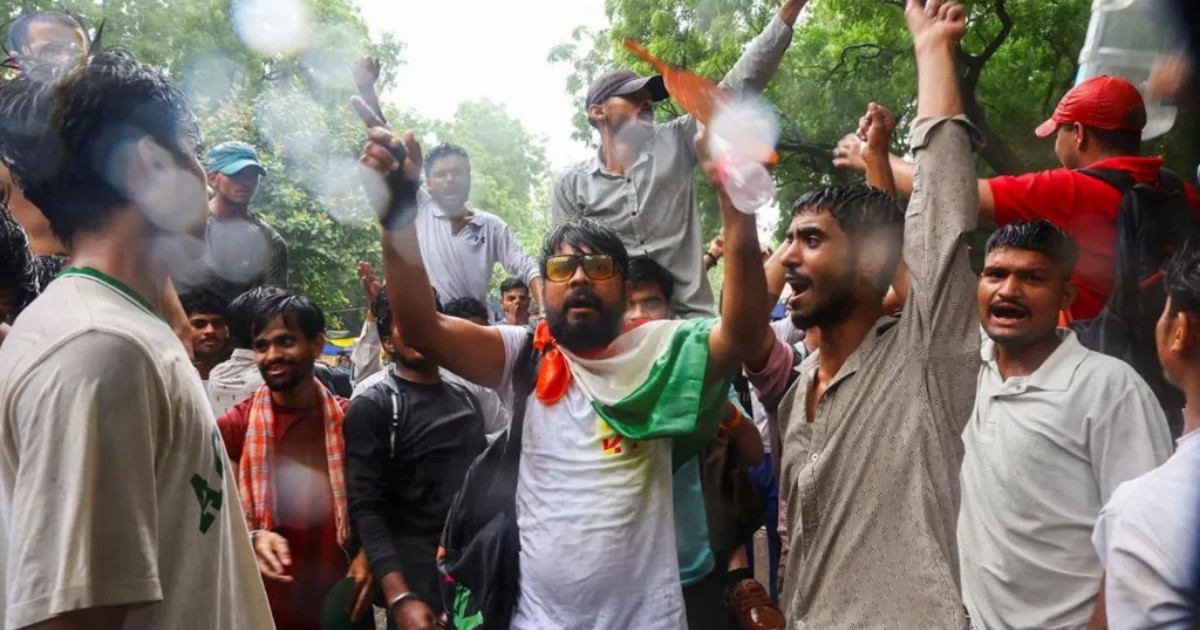
The government of Indian Prime Minister Narendra Modi is facing mounting political pressure as thousands of student demonstrators under the banner of the Cockroach Janta Party continue their round-the-clock sit-in in New Delhi demanding education reforms, Reuters and BBC News reported on Wednesday. Demonstrators have camped at the capital city`s iconic Jantar Mantar site despite heavy monsoon rains, refusing to disperse until Education Minister Dharmendra Pradhan steps down. The youth-led movement has rapidly evolved from an online satirical initiative into one of the most formidable public challenges encountered by the ruling Bharatiya Janata Party since Modi secured his third term in office.
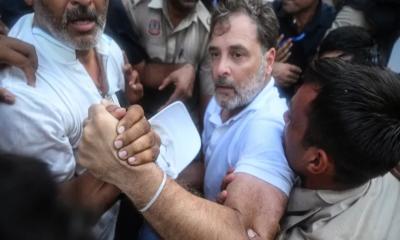
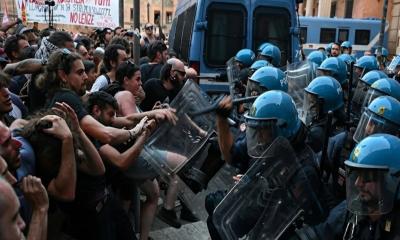
The situation escalated dramatically following a massive march toward the Indian Parliament on Monday, where law enforcement officers deployed batons and tear gas to halt the advancing crowd. According to police and medical reports, at least 60 individuals including protesters and police personnel sustained injuries during the clashes. In response to the crackdown, prominent opposition figures including Congress Party leader Rahul Gandhi staged a surprise demonstration outside the official residence of the prime minister. Police briefly detained Gandhi and several lawmakers before releasing them later in the evening, further intensifying the parliamentary deadlock.
At the heart of the nationwide anger is the widespread leakage of question papers for the National Eligibility cum Entrance Test, a crucial medical entrance exam taken by over two million candidates across India. The systemic failure and subsequent cancellation of the examination reportedly triggered a wave of student distress linked to more than 20 suicides nationwide. The protest gained international attention after renowned education activist Sonam Wangchuk initiated an indefinite hunger strike in solidarity with the students. Wangchuk was forcibly hospitalized by police on his 21st day of fasting due to deteriorating health, an action that further incited public indignation.
Addressing the ongoing controversy, Education Minister Dharmendra Pradhan criticized opposition leaders for allegedly exploiting student frustration for political leverage. In an official statement, Pradhan asserted that the administration remains fully committed to systemic accountability, academic integrity, and open dialogue with student representatives. However, he stopped short of addressing the demands for his resignation, prompting protest organizers to vow that their sit-in will persist indefinitely. Meanwhile, senior cabinet ministers met with a delegation from the movement to receive a formal memorandum of demands.
What remains unclear is how effectively the central government can manage the expanding footprint of the movement, which has now sparked solidarity demonstrations across major urban centers including Mumbai, Hyderabad, Bengaluru, and Ahmedabad. Founder of the movement Abhijeet Dipke reiterated that the demonstrators will maintain their stance until concrete structural reforms are implemented and accountability is established. As the monsoon session of parliament continues, the youth mobilization represents a crucial test for the administration`s capacity to navigate rising public discontent among India`s younger demographic.