Located approximately 150 kilometers from Istanbul, Bursa stands as a monumental landmark in the history of the Islamic world and global trade. As the first capital of the Ottoman Empire, this city served as the foundation for a civilization that would bridge continents. However, beyond its political and military significance, Bursa has been globally renowned for centuries as a premier hub for silk production. In the second episode of Al Jazeera’s acclaimed series "Traces of Silk," the spotlight shines on how this ancient city is managing to balance its rich historical legacy with the demands of the modern world.
The narrative of Bursa is woven with threads of silk. During the peak of the Silk Road, Bursa was a critical terminus for raw silk arriving from China and Persia. Under Ottoman rule, the city transitioned from being a mere trading post to a sophisticated production center. The surrounding fertile lands of the Marmara region proved ideal for mulberry cultivation, the primary food source for silkworms. By the 15th and 16th centuries, Bursa silk was a symbol of ultimate luxury, adorning the palaces of European monarchs and the majestic robes of Ottoman Sultans.
At the heart of Bursa’s silk trade lies the Koza Han (Silk Cocoon Market). Built in 1491 by Sultan Bayezid II, this architectural masterpiece remains the pulse of the city`s textile heritage. The Han’s courtyard, with its stone arches and central mosque, once welcomed weary merchants and their camel caravans. Today, as Al Jazeera’s report highlights, a new generation of entrepreneurs and designers are occupying these historic stalls. They are not merely selling fabric; they are reinterpreting traditional motifs for a 21st-century audience, ensuring that Bursa silk remains relevant in the global fashion industry.
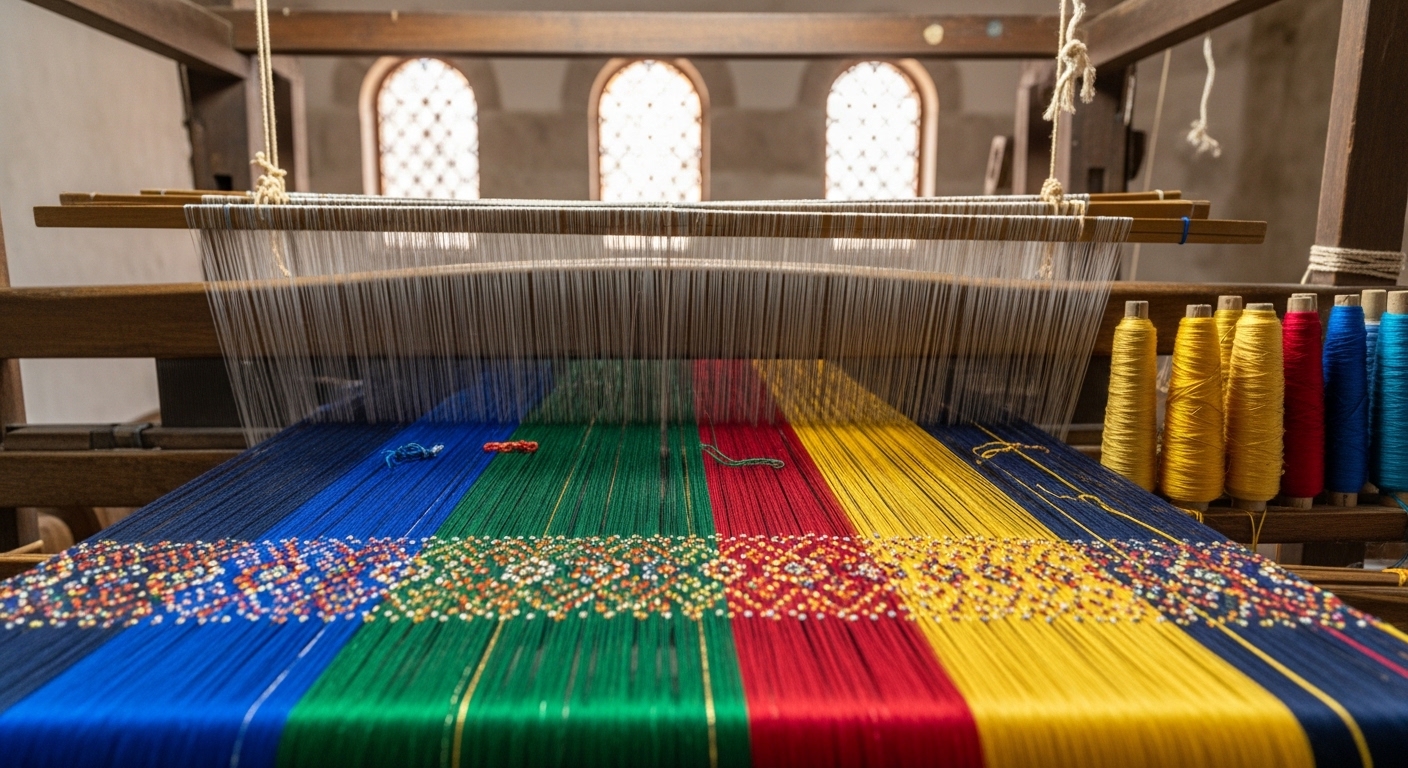
The preservation of silk weaving in Bursa is a deeply personal endeavor for many local families. For generations, the secrets of extracting delicate filaments from cocoons and the intricate art of hand-looming have been passed down from father to son and mother to daughter. This continuity is a key reason why Bursa, along with the village of Cumalıkızık, is recognized as a UNESCO World Heritage site. Younger artisans are increasingly utilizing social media and digital platforms to bring their heritage to a global market, proving that ancient crafts can thrive in a digital economy.
The cultural impact of the silk trade on Bursa extends beyond economics. The influx of traders from different parts of the world over centuries created a unique cosmopolitan atmosphere. This exchange influenced local architecture, religious practices, and even the city`s culinary traditions. The silk road was not just a route for goods; it was a highway for ideas, and Bursa was one of its most important classrooms.
However, the industry faces significant challenges. The rise of synthetic fibers and mass-produced, low-cost textiles from overseas has put immense pressure on traditional producers. Authentic Bursa silk is a labor-intensive product that requires time, precision, and skill. Despite these hurdles, there is a growing movement within Turkiye to support local artisans. Government-backed initiatives and cultural festivals are helping to revive sericulture (the rearing of silkworms) in nearby villages, providing the raw materials needed for high-quality production.
Ultimately, the story of Bursa is one of resilience. It is a city that remembers its past while looking toward the future. The shimmering silk fabrics found in its markets are more than just merchandise; they are the tangible remnants of the Ottoman Empire’s first breaths and the enduring spirit of the Silk Road. As Al Jazeera concludes, the new generation of Bursa is not just keeping a tradition alive; they are ensuring that the "City of Silk" continues to shine on the world stage for centuries to come.