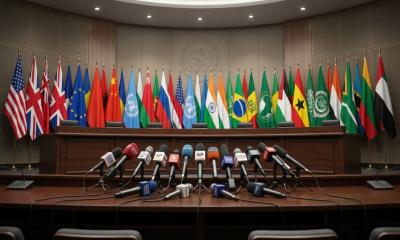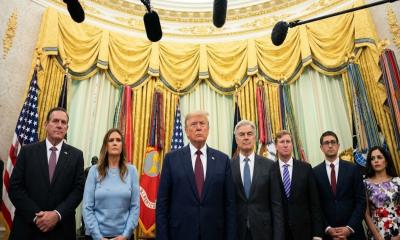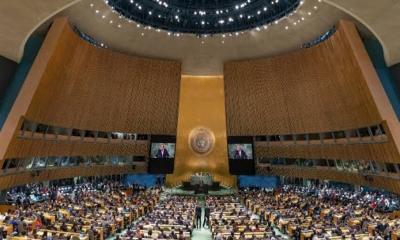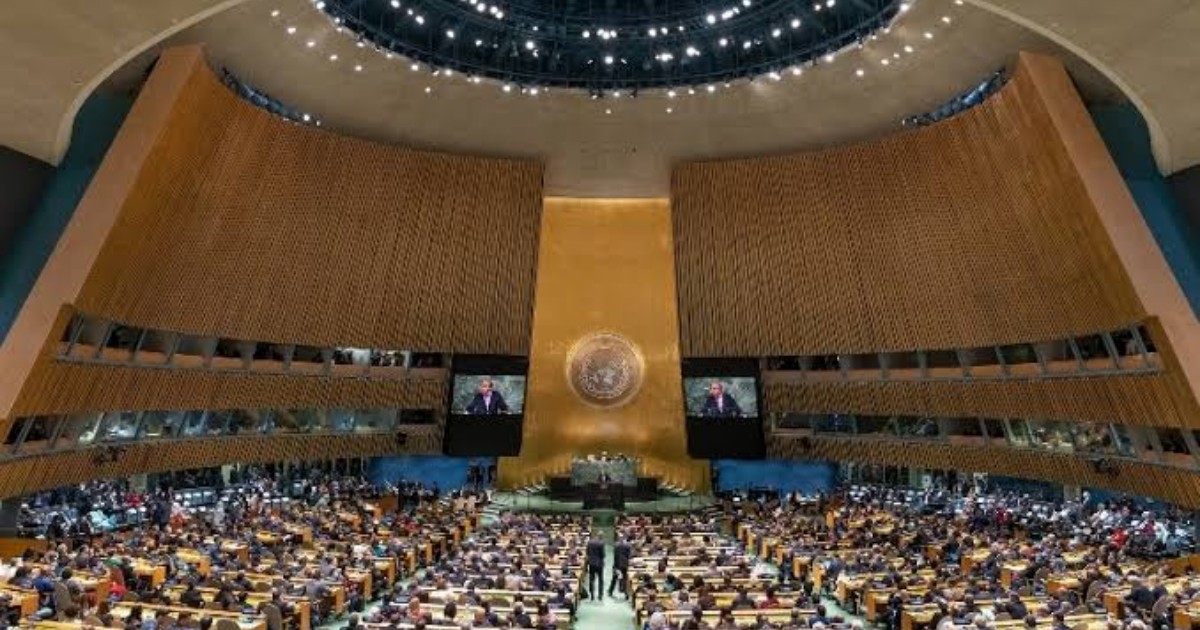
Nearly 130 heads of state and government gathered on Tuesday at United Nations headquarters in New York as the annual high-level general debate officially opened. The assembly marks the centerpiece of the 81st session, which formally commenced on September 8 under the presidency of Bangladeshi diplomat Khalilur Rahman. Delegates representing all 193 member states have converged along the East River amid escalating military confrontations across the Middle East, Eastern Europe, and international maritime corridors.
The diplomatic marathon continues across two scheduled daily sessions through Saturday before concluding next week.
Daily deliberations are divided between a morning sitting running from 9am to 2:45pm local time and an afternoon session extending from 3pm to 9pm. While a voluntary 15-minute speaking threshold is established, numerous leaders historically exceed this allotment, extending sessions until all scheduled speakers conclude. The general debate begins with an opening address and annual report from UN Secretary-General Antonio Guterres, delivering his final assembly address before his mandate concludes. UNGA President Khalilur Rahman will subsequently declare the floor open to sovereign representatives.
Brazil maintains its historic privilege of delivering the first national address.
The precedent dates back to 1955 when Brazilian delegates stepped forward to open deliberations when other states hesitated. As the host nation, the United States takes the rostrum second, with President Donald Trump scheduled to deliver his remarks on Tuesday morning. For remaining delegations, the roster is determined by sovereign representation level, geographic balance, and formal scheduling preferences, with the Holy See, the State of Palestine, and the European Union participating under designated status.
The headquarters complex, completed in 1952, constitutes international territory exempt from local municipal jurisdiction. While modern assemblies are anchored in Manhattan, early sessions assembled in London and Paris. A historic departure occurred in 1988 when the plenary transferred to Geneva, Switzerland, after Washington refused an entry visa to Palestinian leader Yasser Arafat.
A recurring diplomatic friction over entry permits has overshadowed this year`s assembly.
For the second consecutive year, the United States administration denied entry visas to Palestinian representatives, preventing delegation members from traveling to New York. Following a formal procedural ballot among member states, Palestinian President Mahmoud Abbas will address the assembly via prerecorded video broadcast. The United Nations leadership has asserted that unilateral travel restrictions violate the 1947 Host Country Agreement, which legally mandates that the United States ensure unimpeded diplomatic access and immunity to foreign delegations regardless of bilateral disputes.
This session convenes under the formal theme of restoring trust and managing systemic transformation to ensure multilateral delivery. Concurrently, diplomatic delegations are engaging in parallel ministerial summits regarding climate transitions, sea-level rises, pandemic defenses, and the total abolition of nuclear stockpiles.
Beyond regional security discussions, diplomats are actively positioning for the selection of the next secretary-general ahead of Guterres`s scheduled departure on December 31. The UN Security Council is conducting preliminary straw polls to recommend a candidate for General Assembly ratification. With all nine previous secretaries-general having been men since the institution`s 1945 establishment, several Security Council members are actively advocating for the historic appointment of the organization`s first female chief.