The biological mechanisms through which surgical drugs suspend human awareness have persisted as a fundamental challenge in medical science, even as emerging neuroimaging research begins tracing the foundations of conscious thought. Prior to the formal introduction of chemical sedation in 1846, major operations, including battlefield amputations, were carried out while patients remained completely awake and perceptive. The development of clinical compounds transformed operative medicine, allowing clinicians to temporarily deactivate perceptual awareness at will.
More than 350 million operations are now conducted under general anaesthesia each year.
Clinical sedatives fall into several distinct pharmacological classifications. While local agents specifically suppress pain pathways and sedatives induce relaxation, general anaesthetic agents entirely eliminate awareness, severing sensory experience from conscious perception. The compounds deployed in modern operating theatres vary extensively in their molecular makeup, spanning from unreactive elemental gases such as xenon to intravenous emulsions like propofol. Magnetic resonance imaging confirms that these varied chemicals cause a widespread decline in cerebral metabolic activity by interrupting communication between individual nerve cells.
Researchers remain divided on whether this suspended state requires a comprehensive neurological shutdown or originates within specific control nodes.
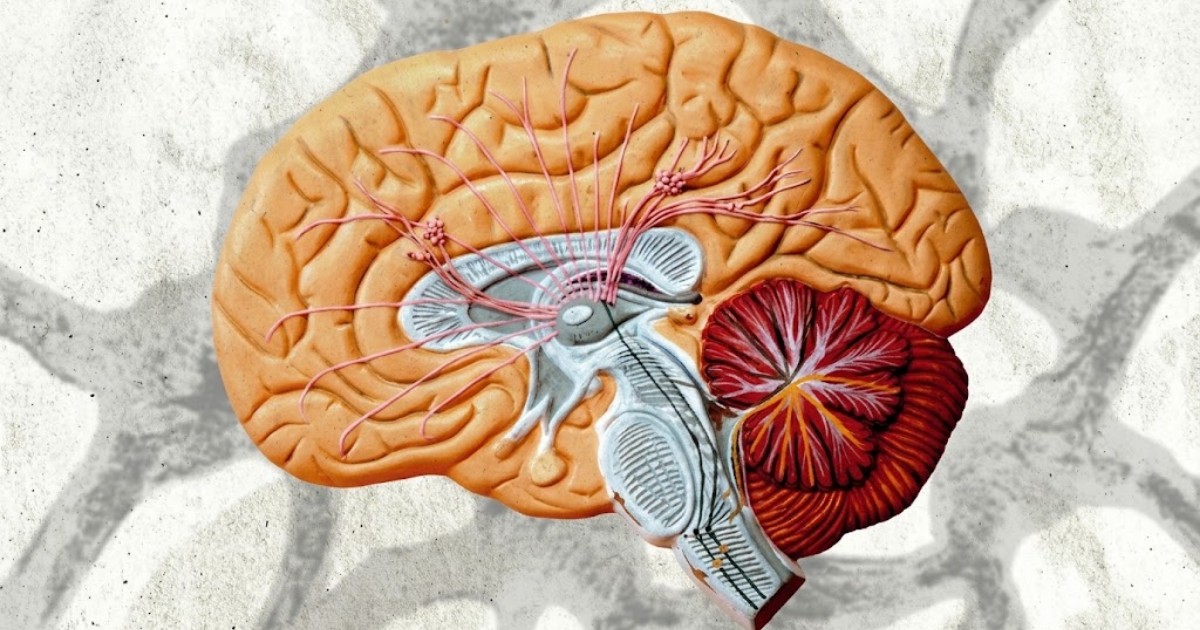
Nick Franks, professor of biophysics and anaesthetics at Imperial College London, explained that the dense interconnectedness of the human brain makes isolating the initial trigger exceptionally difficult. Brain scans indicate that specific structures exhibit heightened vulnerability, most notably the thalamus, an egg-shaped operational hub located deep within the cerebral structure. Because the thalamus governs regular sleep cycles and arousal, investigators suspect these compounds co-opt the body`s natural sleep circuitry. Experiments have shown that targeted electrical stimulation of the thalamus can awaken sedated animals and elicit responses from human patients in comas.
Other neuroscientists maintain that the cerebral cortex, the wrinkled outer boundary responsible for complex thought, serves as the primary seat of awareness and remains the direct target of sedative action. Surrounding cerebral structures, such as the frontal lobe that directs critical reasoning and the parietal lobe which processes physical sensation, undergo parallel functional dampening.
Clinical trials indicate the human nervous system can enter a third state.
While patients generally anticipate complete memory extinction during sedation, medical records show that roughly one in every 15,000 surgical cases experiences accidental awareness, retaining memories of operative events upon awakening. Jaideep Pandit, an anaesthesia consultant at Oxford University Hospitals, suggested these individuals experience a distinct state of consciousness positioned between waking vigilance and clinical unconsciousness.
By applying an isolated forearm tourniquet to restrict muscle relaxants while administering surgical anaesthetics, Pandit allowed unconscious patients the mechanical ability to signal distress. The trials revealed that a third of sedated subjects squeezed medical staff`s fingers when instructed, despite showing neither physical signs of wakefulness nor physiological markers of distress. This demonstrated that cognitive response can persist independently of external wakefulness indicators.
At the University of Cambridge, neuroscientist Andrea Luppi examined cerebral blood distribution to analyze how these pharmacological agents affect functional network connectivity. Under standard conditions, human neural activity produces an intricate pattern so distinct it mirrors an individual fingerprint. Under clinical sedation, however, this functional individuality diminishes, with brain activity aligning into uniform configurations that closely resemble non-human primates, implying that evolutionarily modern cortical zones remain the most susceptible.
Luppi established that anaesthesia fundamentally prevents disparate areas of the brain from coordinating without direct anatomical cabling. During waking hours, cognitive streams link separate cortical regions across broad networks, whereas sedated states reduce activity to fragmented, localized exchanges. Luppi compared the effect to crippling a national government by cutting off regional communications. Addressing the scope of the discovery, Boris Heifets, an associate professor at Stanford University, emphasized that scientific comprehension of conscious awareness remains in its earliest development.