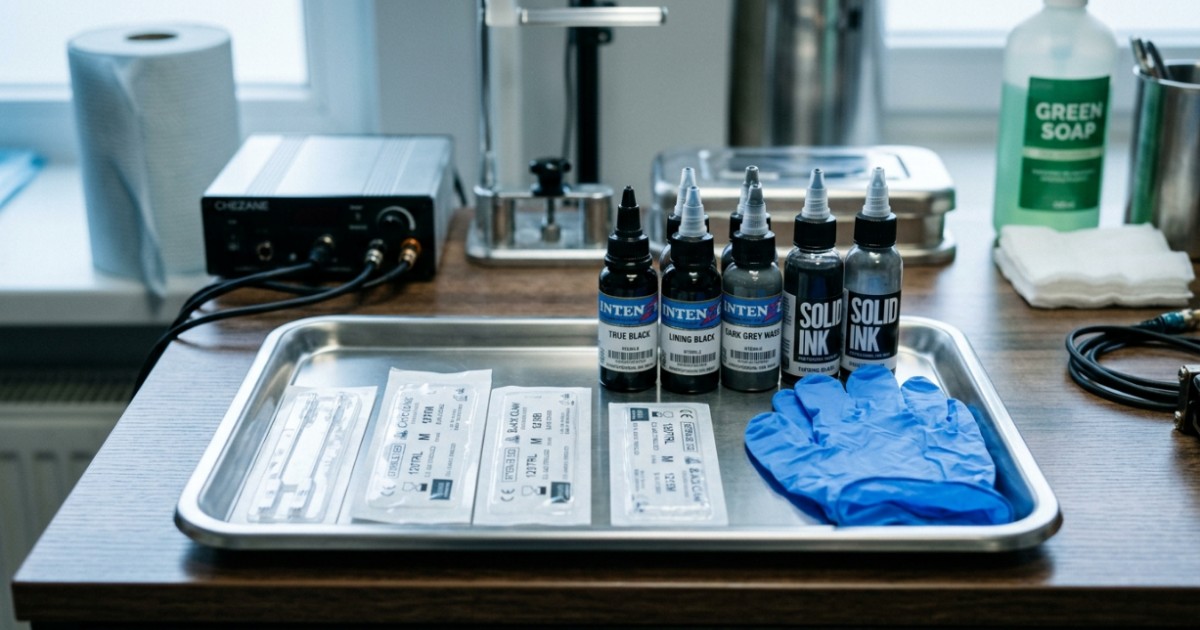
A medical tattoo artist in southwest England has condemned the systemic online censorship of post-mastectomy restorative procedures as discriminatory. Lauren Carter, based near Bristol, reported that automated algorithms routinely flag her hyper-realistic three-dimensional pigmentation as inappropriate nudity. The recurring penalties have resulted in account suspensions and portfolio deletions, preventing cancer survivors from accessing specialized restorative care.
Automated systems remove her clinical posts nine times out of ten.
Parent company Meta confirmed that its platform rules permit post-mastectomy scarring and areola reconstruction, while acknowledging that automated screening systems occasionally make mistakes. Platform representatives stated that users maintain the right to appeal administrative penalties and affirmed that development teams are updating detection parameters to better distinguish healthcare material. The corporate statement explicitly acknowledged the therapeutic value medical inking provides to recovering cancer patients.
Appeals filed against account suspensions routinely receive no meaningful human review, Carter countered.
The practitioner highlighted a double standard across social platforms, noting that portfolio photographs of male chest treatments undergo zero automated censorship or sexual flagging. Carter maintained that her work serves a reconstructive rather than aesthetic purpose, helping patients reclaim dignity after debilitating oncological surgeries. Even when images are partially obscured with graphic markers or published alongside contextual medical disclaimers, the automated filtering tools issue immediate takedowns.
Bristol nurse Jessica Bowler, who received a breast cancer diagnosis in 2019 at age 32, described the vital psychological role the procedure plays in personal recovery. Following a double mastectomy, Bowler pursued restorative pigmentation to rebuild her sense of physical normality. She described the restorative treatment as an essential milestone that allowed her to look in the mirror without viewing her body merely as a catalog of surgical scars.
Treating medical recovery work as sexual or illicit harms survivors who rely on shared healthcare resources, Bowler emphasized. When automated filters suppress clinical documentation, vulnerable patients lose the ability to discover legitimate rehabilitation pathways after surviving invasive cancer treatments.