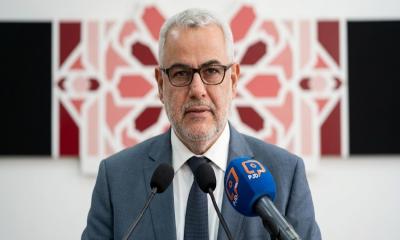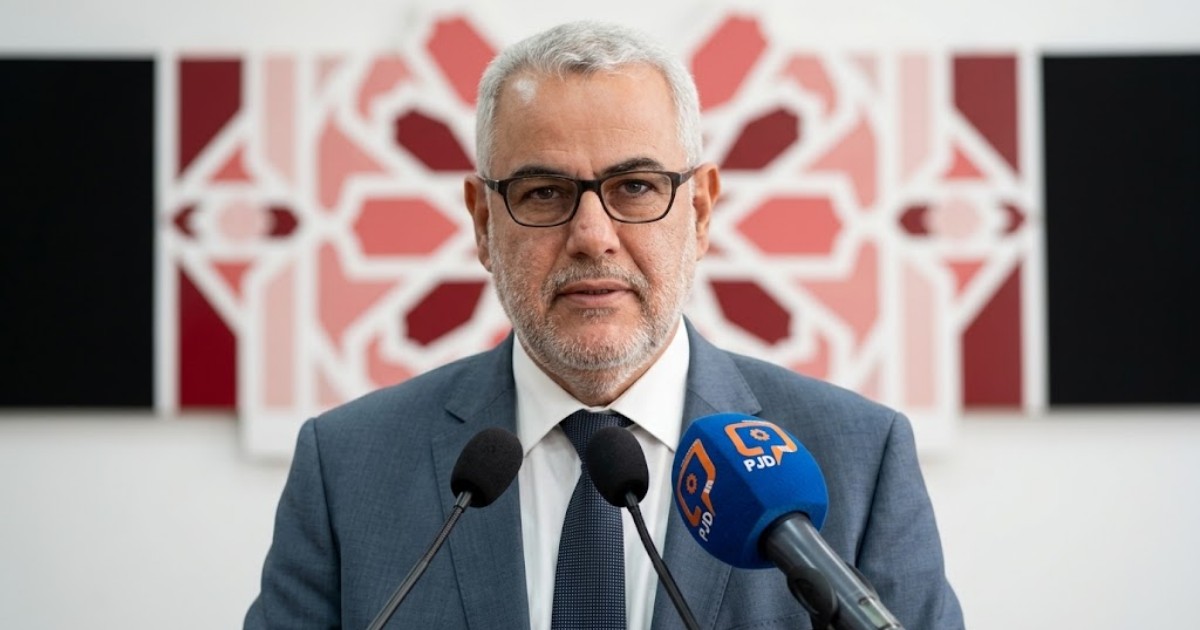
Morocco`s Justice and Development Party (PJD) has initiated an organizational overhaul under former prime minister Abdelilah Benkirane to rebuild its political standing ahead of national elections. The movement, which served a decade as the central beneficiary of constitutional adjustments following the 2011 regional demonstrations, is seeking to reconstruct trust following its dramatic parliamentary retreat.
The party collapsed from 125 parliamentary seats to just 13 in 2021.
The loss of 112 seats allowed the National Rally of Independents to emerge as the dominant legislative bloc with 102 seats. In response, the PJD`s 2026 political platform outlines 467 distinct measures across five main pillars, prioritizing identity, institutional reform, social protection, economic development, and international affairs. Party strategists are deliberately focusing on tangible voter concerns, including inflation, public education, hospital resources, and public sector accountability.
Grassroots restructuring has focused heavily on engaging younger voters.
Saad al-Sabahi, an official with the party`s regional secretariat in Casablanca-Settat, confirmed that the platform emerged from extensive local consultations designed to restore civic protections and voter confidence. Youth wing representatives Imane Traifi and Yassine Elachiri stressed that long-term survival requires cultivating youth as active decision-makers rather than passive targets during voting cycles.
However, the leadership confronts severe contradictions regarding state decision-making. While the party adamantly opposes normalization with Israel, the official normalization agreement was signed in December 2020 while the PJD led the governing coalition under Saadeddine Othmani. When Rabat and Tel Aviv agreed to elevate diplomatic missions to full embassy status on September 16, the party reaffirmed its historical dissent, highlighting past institutional friction.
The party has maintained that its reform agenda operates strictly within the kingdom`s constitutional framework. Under this system, the monarch retains executive oversight as head of the Council of Ministers, leaving the PJD to demonstrate how it can navigate institutional boundaries to deliver on campaign pledges.