Mental stress and cognitive fatigue can be mitigated through targeted physical routines lasting barely half a minute, according to emerging behavioral health research. Scientists note that elaborate wellness regimens, such as predawn meditation sessions or cold plunges, are not required to generate measurable psychological relief. Recent investigations from European and American institutions suggest that brief, focused actions can rapidly lower tension and restore mental balance during busy daily schedules.
Clinicians designate these concise interventions as micropractices.
At Delft University of Technology in the Netherlands, researcher Natalie Van der Wal identified the therapeutic benefits of simulated laughter routines. Participants deliberately initiate laughter without comedic stimuli, starting with vocal rhythms that prompt authentic physiological laughter. A broad meta-analysis conducted by Van der Wal demonstrated that intentional, non-humorous laughter was roughly twice as effective at dampening depressive feelings and acute anxiety as laughter sparked by humor. The practice combines deep abdominal inhalations with vocalizations, concluding with focused reflections on personal gratitude.
Extended sedentary work behind digital monitors represents another major source of occupational strain.
Behavioral health author Eli Susman points out that brief physical extensions, termed micro-yoga, release localized tension accumulated from hours of hunched posture. Empirical clinical trials demonstrate that pausing for 15 to 30 seconds every 15 minutes to interlace fingers and expand the chest improves overall productivity by approximately 15 percent. These brief physical resets have also been documented to lower occupational burnout and decrease technical errors in demanding work environments.
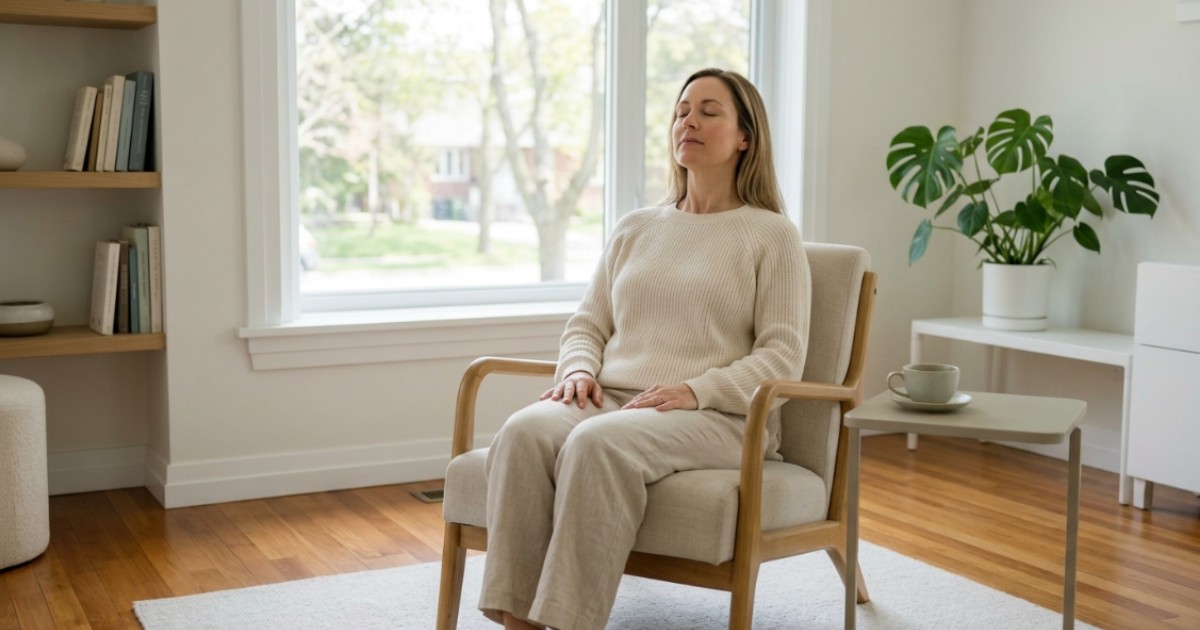
Controlled breathing techniques exert an immediate calming influence upon human physiological systems.
Amit Kumar, a behavioral researcher at the University of Naples Federico II in Italy, directed trials examining short-term breath modulation. His team recorded that completing three deliberate breaths lasting approximately 10 seconds each stimulates the parasympathetic nervous system, disarming the biological fight-or-flight mechanism. The exercise measurably elevates alpha brain waves associated with focused attention, alongside theta waves linked to deep physical relaxation, preventing cumulative tension from spiraling before high-pressure workplace duties.
Direct tactile comfort offers comparable neurological benefits in under half a minute.
Trials conducted by Susman and clinical colleagues established that placing one`s hands over the chest or midsection while maintaining kind, self-directed thoughts lowers the stress hormone cortisol in just 20 seconds. Longitudinal monitoring showed that individuals repeating this self-soothing gesture experienced enhanced emotional resilience six months later.
Public health specialists stress that individuals need not adopt every recommended routine. Selecting one or two practical pauses that seamlessly integrate into existing domestic or professional obligations remains the most sustainable path toward sustained emotional well-being.