The United Kingdom`s state-dictated minimum wage has effectively dismantled the domestic free market for labor, causing an invisible but extensive disappearance of entry-level jobs. According to a comprehensive report released this week by the independent think-tank Centre for Cities, the statutory baseline has evolved into the standard rate of pay across massive swathes of the country. This unprecedented shift has transformed the chancellor`s annual budget announcements into a centralized wage-setting mechanism for private enterprises.
The sudden findings have intensified the ongoing UK minimum wage debate among leading economists and corporate leaders.
In terms of raw metrics, the national minimum wage has escalated from 5.93 pounds an hour in 2010 to 12.71 pounds in 2026, marking an aggressive 106 percent increase over a fifteen-year period. This rapid adjustment vastly outpaces the 64 percent rise recorded in the general price inflation index during the identical timeframe. This year alone, the Treasury mandated an additional 4.1 percent increase, cementing Britain`s position as one of the highest minimum wage jurisdictions in the developed world. Consequently, what began as a targeted measure to curb exploitative employers has effectively flattened the broader labor pricing structure.
The data exposes severe structural disparities between different geographical regions of the country. In prosperous southern cities like Reading in Berkshire, the statutory living wage represents a manageable 53 percent of local median earnings. However, in northern industrial hubs like Doncaster in Yorkshire, the minimum floor has surged to a punitive 82 percent of median wages. Workers on the state baseline in Doncaster earn just 2.80 pounds less per hour than the typical local worker, erasing the regional cost advantages that traditionally attracted external commercial investments.
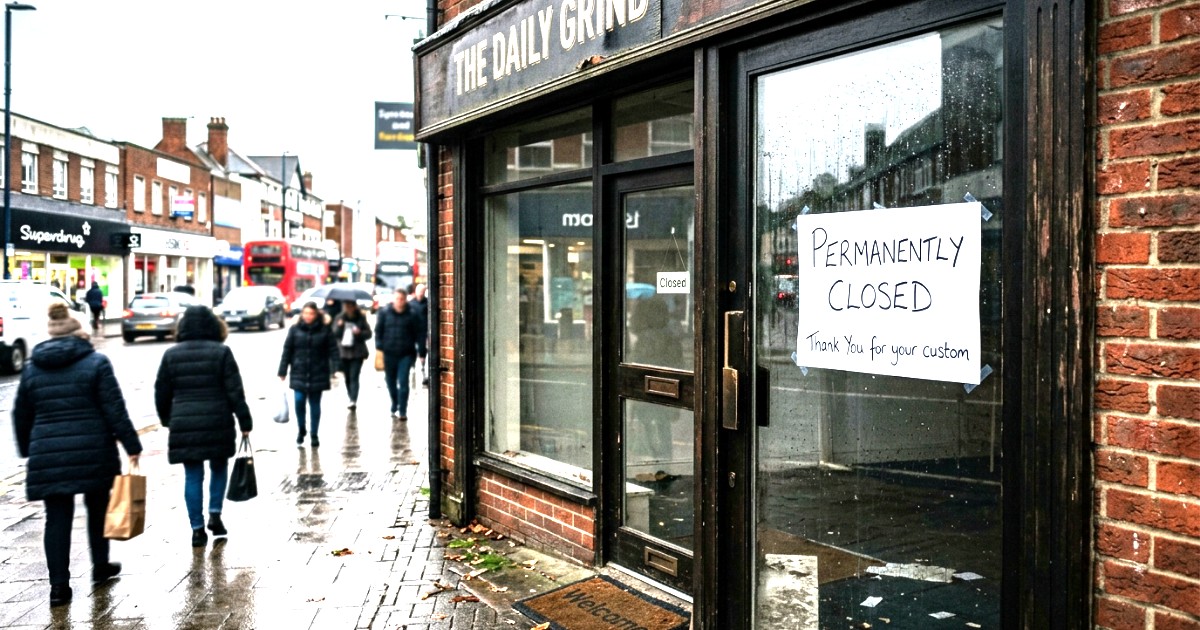
This structural compression carries devastating consequences for small businesses, retail outlets, and the hospitality sector. Local cafes, neighborhood shops, and independent restaurants possess no legal flexibility to adjust compensation metrics alongside fluctuating consumer demand, forcing many into insolvency. Furthermore, self-employed entrepreneurs crunching expansion figures through business spreadsheets are opting to remain one-person operations rather than taking on the crippling liability of their first employee. These uncreated positions represent an unmeasurable but massive loss to the national labor grid.
The disruption has already pushed the national youth unemployment rate up to a staggering 15.8 percent, forcing young workers entirely out of the active economy onto state welfare programs. Despite these adverse outcomes, senior political figures like Angela Rayner are actively advocating for further statutory hikes to restructure the workforce. Greater Manchester Mayor Andy Burnham has continuously backed the Real Living Wage campaign, while the Green Party is currently lobbying for an immediate 15-pound hourly floor. While some analysts propose localized or regionalized wage structures to introduce vital market flexibility, critics maintain that only a return to full deregulation can stabilize the contracting economy.