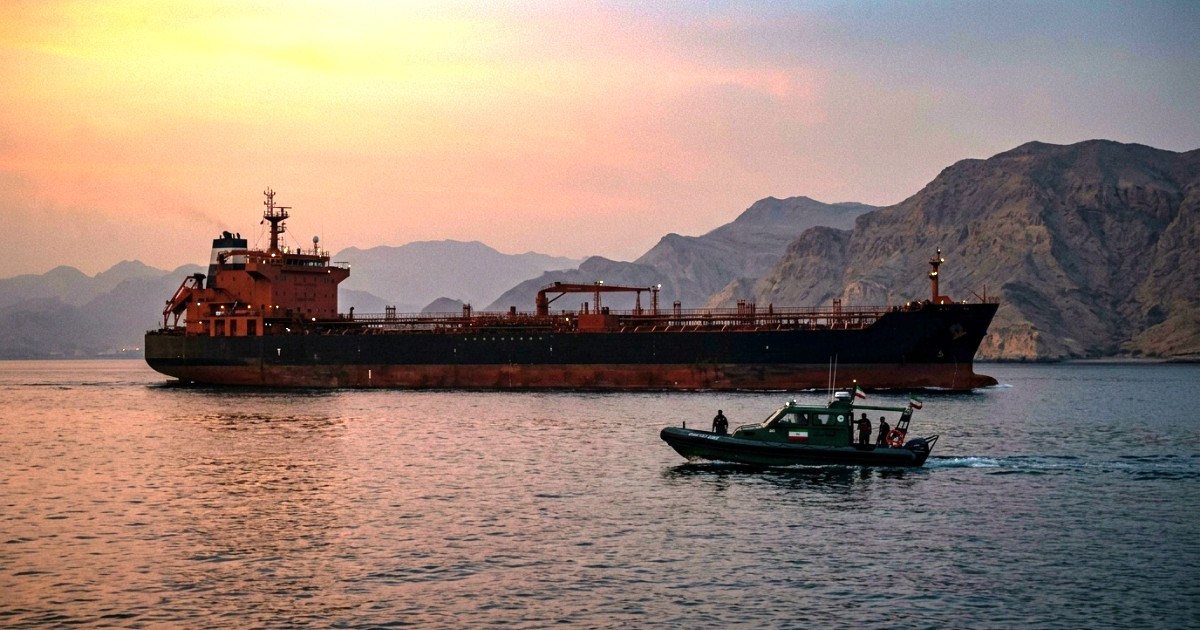
Iran has finalized plans to implement a restrictive maritime traffic system to regulate commercial and military vessels navigating the strategically vital waterway. Ebrahim Azizi, head of the Iranian Parliament`s National Security and Foreign Policy Committee, confirmed on Saturday that a specialized regulatory structure has been fully drafted. He stated that the centralized architecture will guide maritime traffic through designated channels and will be officially declared in the coming days.
The restrictive mechanism will heavily prioritize nations that maintain cooperative diplomatic ties with Tehran.
According to statements from parliamentary officials, the new framework is explicitly designed to enforce rigid Strait of Hormuz shipping control across the region. Under these guidelines, only standard commercial cargo ships and vessels from friendly sovereign states will be permitted access to the chokepoint. Furthermore, Tehran intends to levy mandatory service fees for providing specialized naval support, security escorts, and maritime tracking management. Given that the narrow strait serves as the primary artery for global energy transit, this unilateral policy risks triggering immense volatility across international financial and oil markets.
This administrative shift comes amid escalating geopolitical friction between Iran, the United States, and Western coalition forces in the Middle East. Analysts view the implementation of this strict maritime regime as a calculated geopolitical tool deployed by Tehran to maximize leverage against foreign economic sanctions. If executed, the policy could disrupt oil supplies, increase international shipping insurance premiums, and introduce severe structural uncertainties into global trade networks.