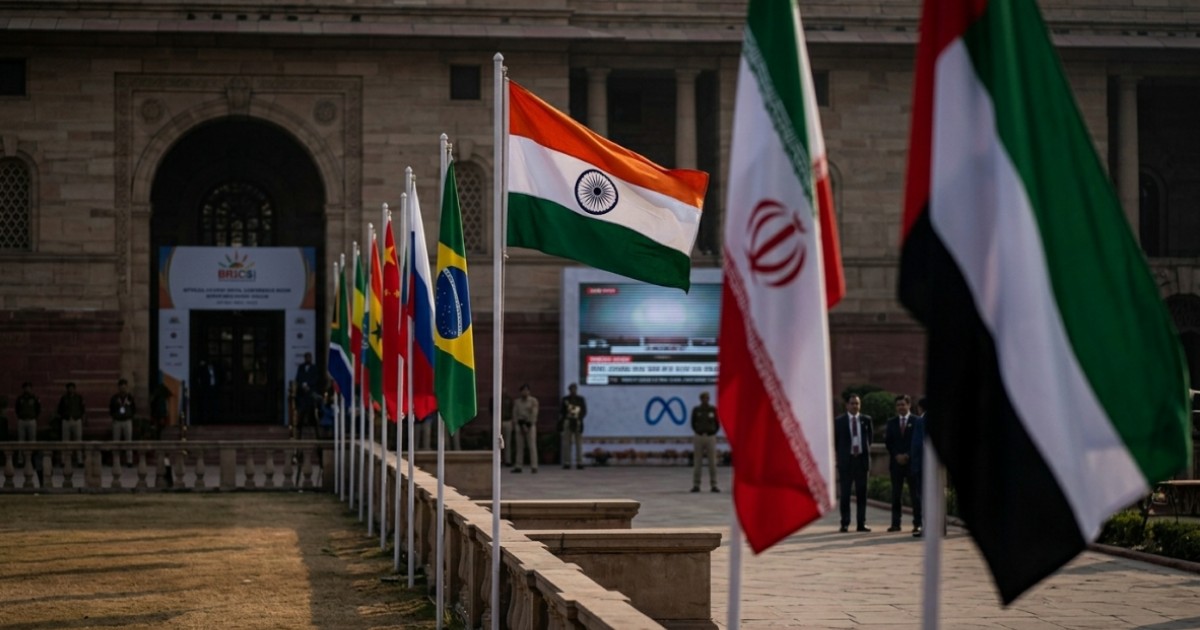
The BRICS alliance of major developing economies concluded its high-level meeting in New Delhi without issuing a joint statement, following deep-seated internal divisions regarding the ongoing war in Iran. India, which currently chairs the bloc, admitted on Friday that members held "differing views" on the conflict that began in February 2026. The meeting brought together representatives from the core members alongside newer additions, including Iran and the United Arab Emirates, whose tensions dominated the proceedings.
The central point of discord was Iran`s demand for a collective condemnation of the West.
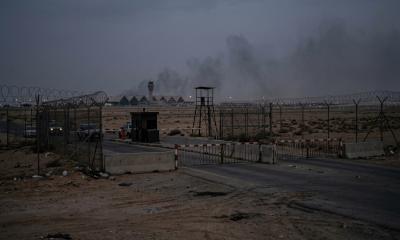
Iranian Foreign Minister Abbas Araghchi used the summit to urge BRICS states to denounce what he described as violations of international law by the United States and Israel. Araghchi later told a news conference that one member state had blocked portions of India’s proposed summary, preventing a unified stance. While he did not explicitly name the UAE, he noted that Iran’s military strikes were specifically targeting American military installations, even those located on the soil of its Gulf neighbors.
The representative for the UAE, Minister of State Khalifa bin Shaheen Al Marar, responded with a stern rebuttal, accusing the Iranian leadership of attempting to justify "terrorist attacks" against Gulf sovereign states. Al Marar claimed that Iran had launched nearly 3,000 drone and missile attacks against the UAE since the outbreak of the war. These public exchanges between two prominent BRICS+ members highlighted the fragility of the expanded bloc when faced with active regional warfare involving its own participants.
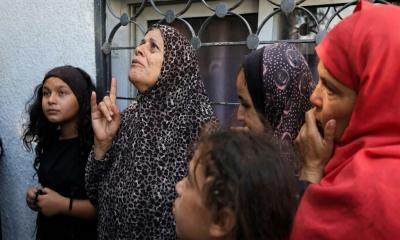
Despite the deadlock over Iran, the New Delhi statement noted areas of broad consensus regarding global governance. The ministers reiterated calls for comprehensive reforms of the United Nations and the Security Council to increase the representation of Global South countries. Furthermore, they discussed the humanitarian crisis in Gaza, agreeing that the enclave remains an "inseparable part" of any future independent Palestinian state. However, the statement also mentioned that one country had expressed reservations about specific phrasing within the section on Gaza.
The agenda extended to other major global crises, including the devastating civil war in Sudan and the political transition in Syria. The ministers called for an immediate ceasefire in Sudan to prevent the country from becoming a fertile ground for extremism. Regarding Syria, the bloc emphasized the need for a peaceful transition following the overthrow of the previous government in 2024. While these diplomatic alignments show a desire for a multipolar world order, the lack of a final joint statement underscores the significant hurdles facing the alliance as it navigates the complexities of the Iran war