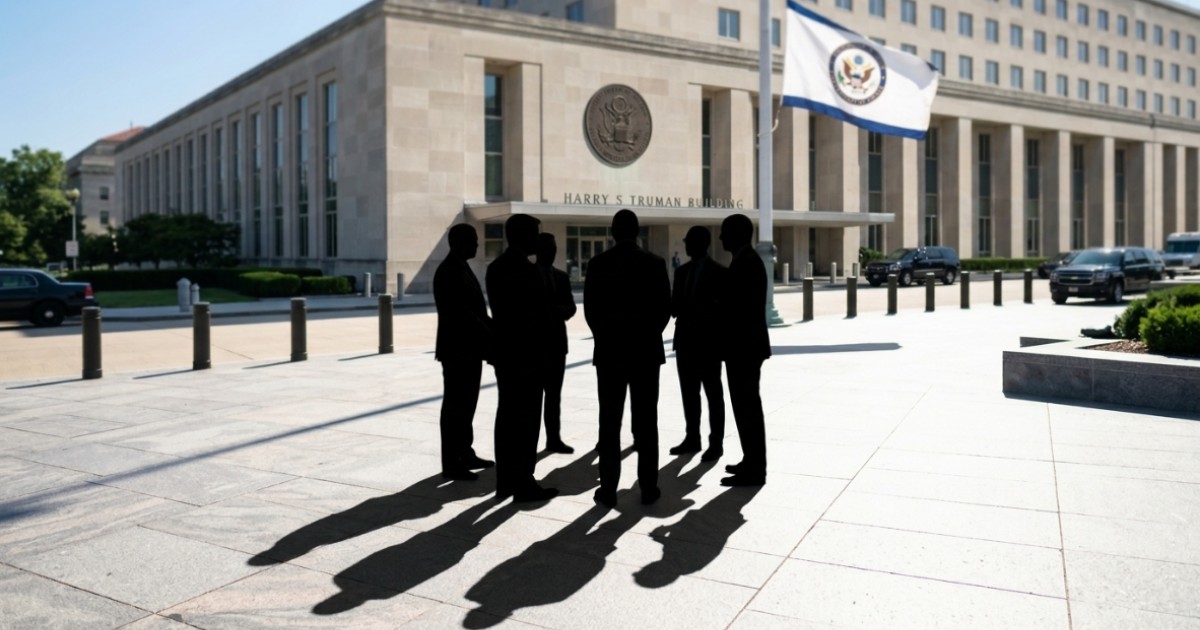
A high-stakes second day of direct negotiations between Israeli and Lebanese officials is currently underway in Washington, DC, as the United States intensifies its mediation efforts. Delegations from both nations met at the State Department on Friday morning, marking the third round of such high-level diplomatic contact this year. The talks are centered on disarming Hezbollah and establishing a long-term framework for peace, just days before the current temporary ceasefire is set to expire on Sunday.
Lebanon has demanded an immediate cessation of all Israeli strikes and the withdrawal of troops from its sovereign territory.
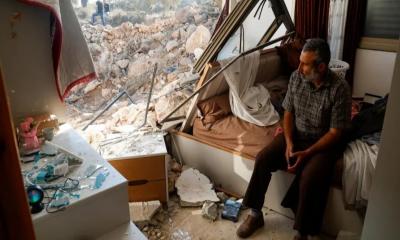
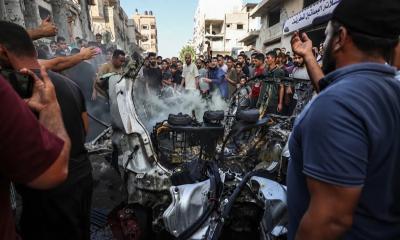
Despite the "productive and positive" tone of Thursday’s eight-hour session, the reality on the ground remains increasingly violent. Lebanon’s state news agency, NNA, reported that Israeli airstrikes killed at least seven people in the southern city of Tyre on Friday afternoon. According to the Lebanese Ministry of Health, the total death toll has risen to 2,951 since major fighting reignited on March 2. The violence has not been one-sided, as the Israeli military confirmed the loss of another soldier on Friday, bringing their troop casualties to 20 since the start of this renewed phase of conflict.
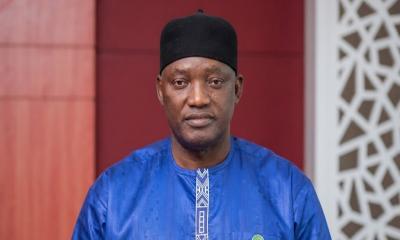
The Israeli delegation is being led by Ambassador Yechiel Leiter and Brig.-Gen. Amichai Levin, the IDF’s Head of Strategy. They have reportedly emphasized Israel`s need for "operational flexibility" until a final disarmament agreement is fully implemented. On the other side, the Lebanese delegation, including Ambassador Nada Hamadeh Mouawad and former Ambassador Simon Karam, is focused on ending the destruction of border villages. U.S. mediation is being spearheaded by Ambassador Mike Huckabee and senior advisers to Secretary of State Marco Rubio.
The Trump administration views these talks as a critical opportunity to convert regional military dynamics into a sustainable diplomatic achievement. While the CIA is reportedly working on a specific plan to manage Hezbollah’s weapons, the group itself remains vocally opposed to the direct nature of the negotiations. The success of the current round depends heavily on whether both parties can agree on a timeline for the permanent cessation of hostilities and the withdrawal of IDF forces. What remains unclear is whether the progress made in the sterile halls of Washington can survive the continued escalations in southern Lebanon.