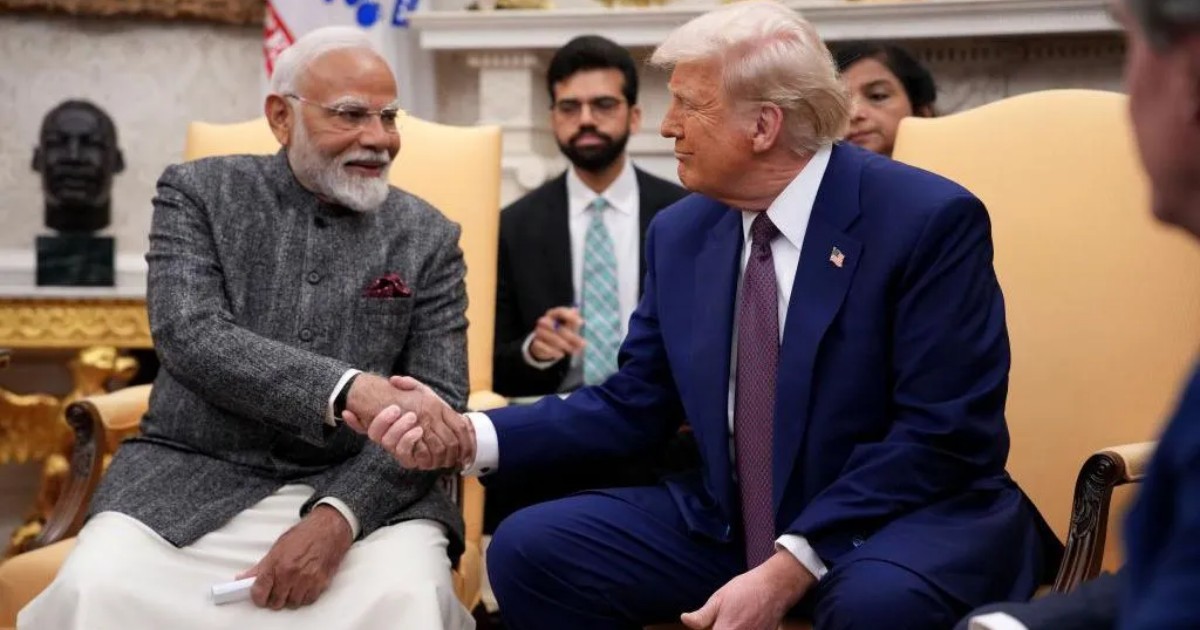
US Secretary of State Marco Rubio visits India for a four-day trip starting Saturday, arriving amid severe geopolitical tensions and an energy crisis triggered by the war in Iran. He landed in the eastern city of Kolkata in the morning, with a packed itinerary that includes stops in New Delhi, Jaipur, and Agra. Rubio is scheduled to hold high-level talks with Indian Prime Minister Narendra Modi. Energy security and bilateral trade arrangements are expected to dominate the official agenda.Shipping lanes through the critical Strait of Hormuz have virtually ground to a halt following military strikes by Israel and the US against Iran in February.
Tehran has used the strategic closure of the strait as leverage in fragile peace negotiations with Washington. This disruption heavily impacts India, which imports over 80% of its domestic energy requirements to support its population of 1.4 billion. Recognizing these challenges, Rubio stated that the US intends to sell India as much energy as it is willing to purchase, highlighting historic levels of American production and export capabilities.
An increase in US oil shipments could help bridge the substantial trade deficit that remains heavily in India`s favor. The US goods trade deficit with India reached $58.2 billion in 2025, marking a 27.1% increase over the previous year, an issue that has repeatedly drawn criticism from President Donald Trump. However, logistics experts note that shipping energy from North America is a significantly longer and more expensive route for New Delhi. Analysts argue it may not be entirely logical to fill immediate local supply gaps exclusively with American imports.
Vineet Prakash, an associate professor of US studies at New Delhi`s Jawaharlal Nehru University, noted that energy security will remain the definitive theme of this diplomatic push. While Washington has already granted India a waiver to purchase Russian crude oil, New Delhi is expected to lobby for further concessions. The visit also unfolds against a backdrop of lingering trade friction and conflicting narratives surrounding the brief military conflict between India and Pakistan last year. Trump has repeatedly claimed credit for brokering peace between the nuclear-armed neighbors, a claim New Delhi consistently rejects under its strict policy against third-party mediation.
Furthermore, Trump`s public praise for Pakistani Army Chief Asim Munir and Islamabad’s role in mediating US-Iran talks have brought Washington and Islamabad closer. While these regional dynamics add complexity, Rubio is expected to keep sensitive discussions regarding Pakistan behind closed doors during his meetings in the capital. Despite these underlying tensions, bilateral ties have shown signs of improvement, particularly after Trump recently reduced reciprocal tariffs on Indian goods from 50% to 18% following a ten-month standoff.