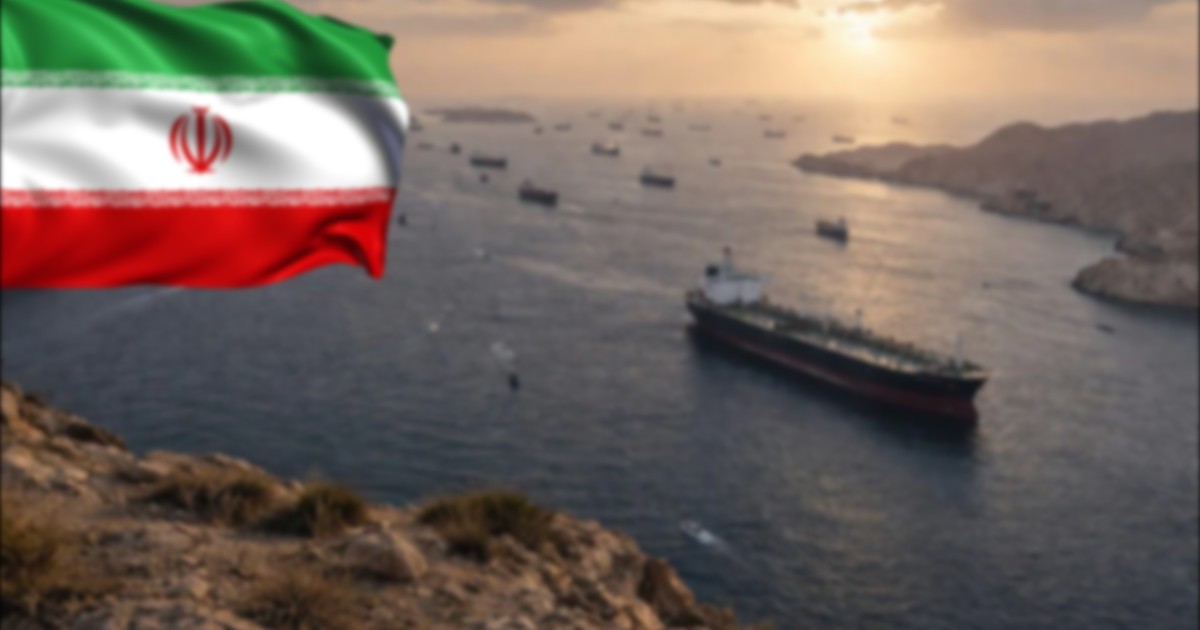
The United States and Iran are reportedly discussing a plan to reopen the Strait of Hormuz, a critical maritime chokepoint that has been effectively closed since late February. The discussions follow the 30-day mark since a ceasefire agreement was reached between the two nations. According to reports from Nikkei Asia, citing diplomatic sources, both sides are exploring terms that would allow for the safe resumption of maritime traffic.Energy stability is the primary driver.
The proposed agreement involves Iran beginning mine-clearing operations within 30 days, which would permit international vessels to navigate the route safely. Tehran has also reportedly agreed to halt the collection of transit fees or tolls. As part of a broader diplomatic roadmap, both nations plan to extend the existing April ceasefire by another 60 days, providing a window to address concerns regarding Iran’s nuclear program.The closure of the strait has had a profound impact on the global economy.
Accounting for approximately 20 percent of global oil and gas exports, the strait’s prolonged closure has triggered significant volatility in fuel prices. The initial shutdown was a direct retaliation to joint US-Israeli strikes on February 28. Although the current ceasefire has been in place since April 8, the waterway has remained obstructed, exacerbating fuel scarcity in international markets.Recent military escalations complicate the diplomatic process.
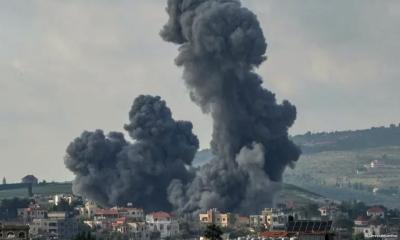
Despite the ongoing ceasefire talks, US forces recently conducted fresh strikes in southern Iran. The Pentagon stated that these actions targeted missile sites and naval vessels attempting to deploy mines, characterizing them as “defensive” measures to protect American forces. These strikes were directed at areas near the port city of Bandar Abbas, a strategic hub housing a major Iranian naval base.Pentagon officials have emphasized their commitment to security.
Captain Tim Hawkins, spokesperson for US Central Command, stated that the military is maintaining restraint while ensuring its security posture. Meanwhile, Iranian officials have reportedly initiated investigations into the explosions heard near Bandar Abbas. As of now, Tehran has not issued a formal reaction to the latest strikes, leaving the future of the peace negotiations hanging in the balance.The success of these talks remains uncertain.
While the prospect of reopening the strait is viewed as a vital step toward stabilizing global energy supplies, the intermittent military skirmishes highlight the fragile nature of the current detente. Both nations face immense internal and external pressures to normalize navigation through this strategic corridor. The coming weeks will determine whether the diplomatic roadmap can withstand the friction of ongoing regional instability.