The Moroccan national football team is navigating severe internal administrative drama and structural change just days before the official kickoff of the FIFA World Cup 2026 on June 11. Four years after rewriting the history books as the first African and Arab roster to reach a World Cup semifinal in Qatar, the Atlas Lions aimed to build upon their global standing. However, the unexpected termination of head coach Walid Regragui in March paired with a highly toxic legal dispute against Senegal has threatened to disrupt their critical pre-tournament camp.The current atmosphere surrounding the locker room contrasts sharply with their 2022 fairytale campaign.
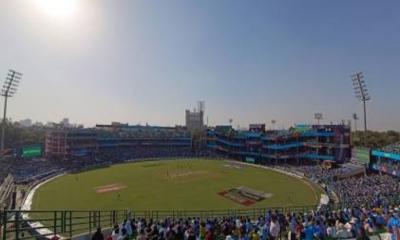
The operational instability stems directly from January`s highly volatile Africa Cup of Nations (AFCON) final held in Rabat. With the championship match deadlocked at 0-0 during stoppage time, a controversial Video Assistant Referee (VAR) penalty awarded to Morocco prompted the entire Senegalese team to walk off the field in active protest. The structural breakdown triggered extensive crowd rioting among visiting spectators, eventually resulting in local authorities sentencing 18 fans to prison terms. When the match finally resumed after an elongated delay, Real Madrid playmaker Brahim Diaz failed to convert the critical spot kick via a poorly judged panenka attempt, allowing Senegal to ultimately secure a 1-0 win in extra time.
The sports saga intensified significantly in March when the Confederation of African Football (CAF) officially stripped Senegal of the continental championship, retroactively awarding the title to Morocco. Executive boards ruled that Senegal had effectively forfeited the tournament by abandoning the pitch before the referee`s final whistle. Senegal has since filed an official appeal with the Court of Arbitration for Sport (CAS) in Switzerland, levelling corruption allegations against both CAF and Moroccan football directors. While administrative protocols have officially labeled the Atlas Lions as continental champions, the bitter ongoing litigation continues to place an intense psychological burden on the roster.
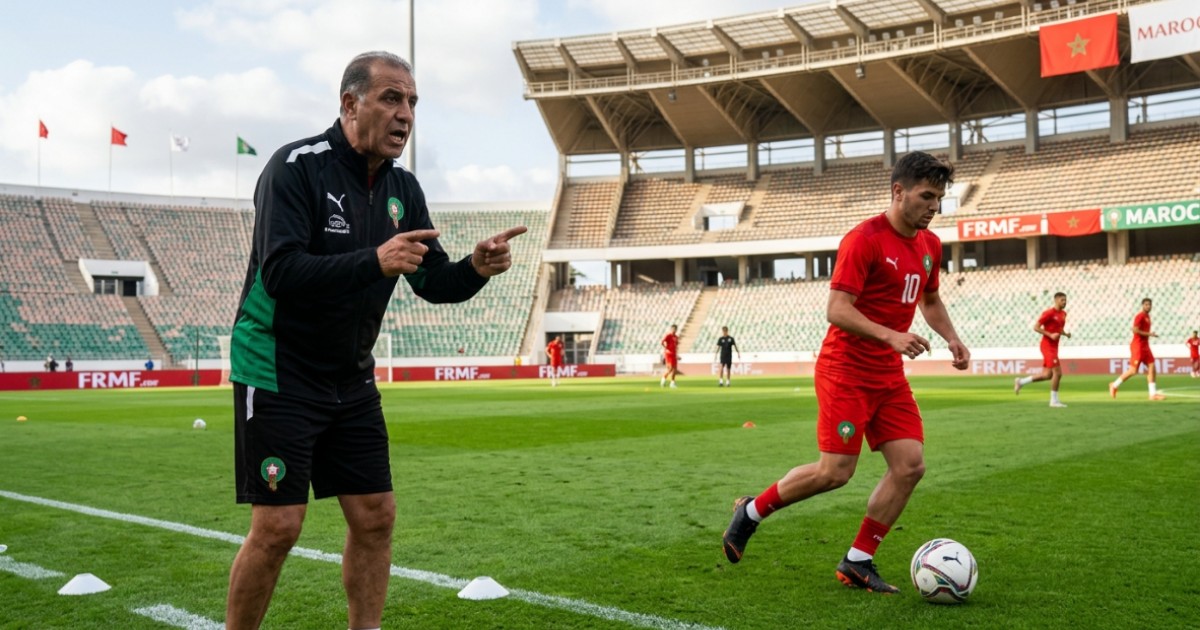
Compounding the external friction, the Moroccan football federation abruptly dissolved its partnership with manager Walid Regragui less than three months before their opening World Cup matches. Regragui, who engineered the historic Qatari breakthrough, reportedly clashed with executive administrators over the future structural transition of the senior squad following the sting of the home-soil AFCON defeat. He was replaced by 49-year-old Mohamed Ouahbi, a specialist who recently directed Morocco`s Under-20 roster to a Youth World Cup title but possesses zero previous experience managing senior international teams. Although federation officials termed the sudden coaching change a calculated strategic decision, sports analysts remain highly skeptical of thrusting an unproven tactician directly onto the global stage.
Currently occupying the eighth position in the official FIFA world rankings, Morocco retains an elite, highly capable lineup featuring world-class talents such as Achraf Hakimi and Hakim Ziyech. Upon accepting the promotion, Coach Ouahbi publically maintained that he does not intend to modify the core tactical foundations already established within the team, focusing instead on sustaining elite execution. Whether this disjointed administration can withstand the mounting external pressures and repeat their previous historic success remains a defining question ahead of the June 11 opener.